HIPAA and the Remote Worker: Keeping Patient Data Safe With Virtual Staff
94 Views
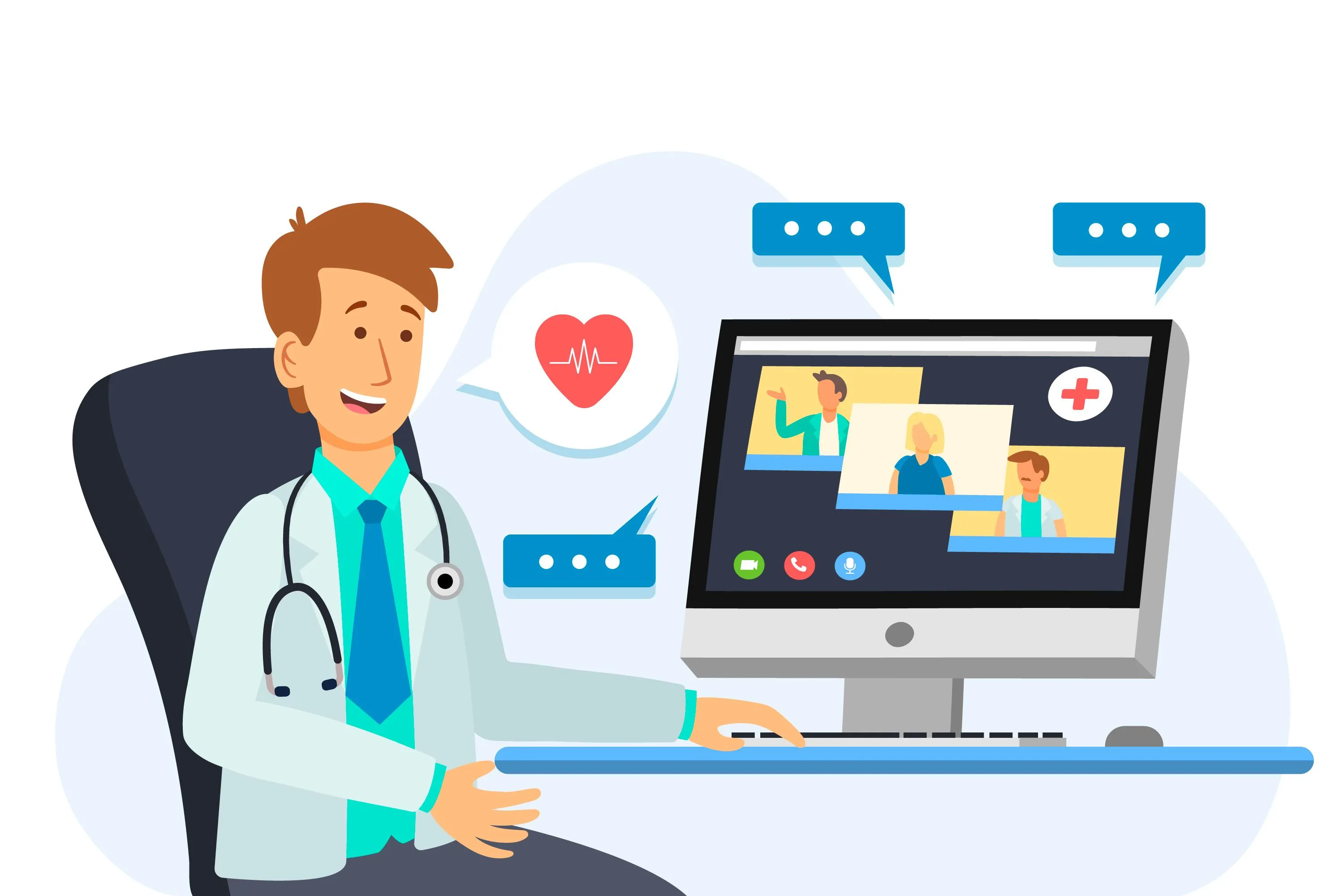
The healthcare system in the United States is leaning heavily on remote digital workspaces to manage an overwhelming daily surge of paperwork. For college students preparing for careers in nursing, medicine, or hospital administration, understanding how modern medical offices stay legally compliant is an absolute requirement. One of the most significant shifts happening right now is the widespread addition of off-site administrative professionals to standard medical teams. Integrating a highly qualified Healthcare Virtual Assistant into a clinic's infrastructure allows local practitioners to safely offload typing, scheduling, and billing tasks to a secure remote environment. However, because these off-site professionals routinely access private charts and personal health details, medical practices must enforce a rigorous digital defense strategy to guarantee that sensitive information never falls into the wrong hands.
What Exactly is HIPAA?
The Health Insurance Portability and Accountability Act is a critical federal privacy law designed to safeguard sensitive patient medical files from unauthorized disclosure. It establishes strict national standards that every healthcare provider, insurance company, and digital contractor must follow without exception.
The True Scope of Protected Health Information
Protected Health Information, commonly known as PHI, encompasses any medical record data that can be used to identify a specific living individual. This includes everything from standard social security numbers and home addresses to specific laboratory test results and prescriptions.
Why Data Security Matters to Students
As the future leaders of the American medical system, your generation will bear the responsibility of protecting digital patient networks. Falling victim to a avoidable security mistake can ruin a clinician's professional reputation and trigger multi-million dollar federal penalties.
The Legal Backbone of the Business Associate Agreement
Before a remote worker is granted permission to view a single digital chart, they must legally sign a formal Business Associate Agreement (BAA). This contract holds the virtual specialist independently liable under federal law to maintain identical privacy rules as the doctor.
Restricting Access via Role-Based Privileges
A secure medical office never gives a remote worker unrestricted access to an entire electronic health record system. Using role-based access limits means a virtual worker only sees the specific scheduling or billing screen necessary for their exact job.
Enforcing Multi-Factor Authentication Requirements
Passwords alone are no longer powerful enough to block sophisticated modern cybercriminals from breaking into active medical networks. Multi-factor authentication adds an essential secondary lock box, requiring unique mobile codes to successfully access any clinical software.
Custom Compliance Across Varied Specialties
While primary care clinics utilize remote assistants for general intake and charting, highly specialized holistic practices face their own unique compliance hurdles. For example, a sports medicine center might employ a remote virtual chiropractic assistant to coordinate spinal adjustment logs, manage private therapeutic exercise plans, and track detailed neurological rehabilitation histories over heavily encrypted file systems.
The Dangers of Unsecured Public Wi-Fi
Working from a local public coffee shop or open library internet connection exposes digital health data to nearby interceptors. Compliant remote professionals are strictly required to use private, password-protected home internet lines paired with a commercial-grade Virtual Private Network (VPN).
Establishing a Secure Clean-Desk Policy
Physical surroundings are just as vital to data safety as complex cloud-based digital security codes. Virtual staff must maintain private home offices where family members cannot view monitor screens and where passwords are never written on paper notes.
Tracking Activity with Mandatory Audit Logs
Modern health software keeps an unbroken digital trail tracking every click, view, and document edit made by an employee. These automated internal audit logs allow clinic managers to routinely check that data is being accessed for purely legitimate clinical reasons.
Thorough Pre-Employment Screening Protocols
A medical office cannot afford to trust its sensitive data to an unvetted online freelancer found on public message boards. Practices must run rigorous national background checks, verify past medical employment, and cross-check personal references before onboarding virtual team members.
Continuing Education in Cyber Defense
Online phishing scams and digital hacking tactics evolve constantly, meaning basic onboarding privacy videos are not enough to keep data safe. Remote health professionals must undergo continuous cyber defense training to recognize modern social engineering tricks and prevent data leaks.
HIPAA and the Remote Worker: Keeping Patient Data Safe With Virtual Staff
Protecting digital patient data requires an ongoing commitment to strict technical safeguards, continuous staff training, and binding legal agreements. By establishing a culture of compliance, healthcare practices can confidently use remote teams to maximize efficiency without sacrificing security. As future medical professionals, your dedication to maintaining these privacy walls will protect the deep trust shared between a clinic and its community. When executed correctly, virtual staffing serves as a perfectly safe, legally compliant engine driving the future of American healthcare.