High-Potency THC Distillate: Understanding Strength and Purity
By Jose Henry
41 Views
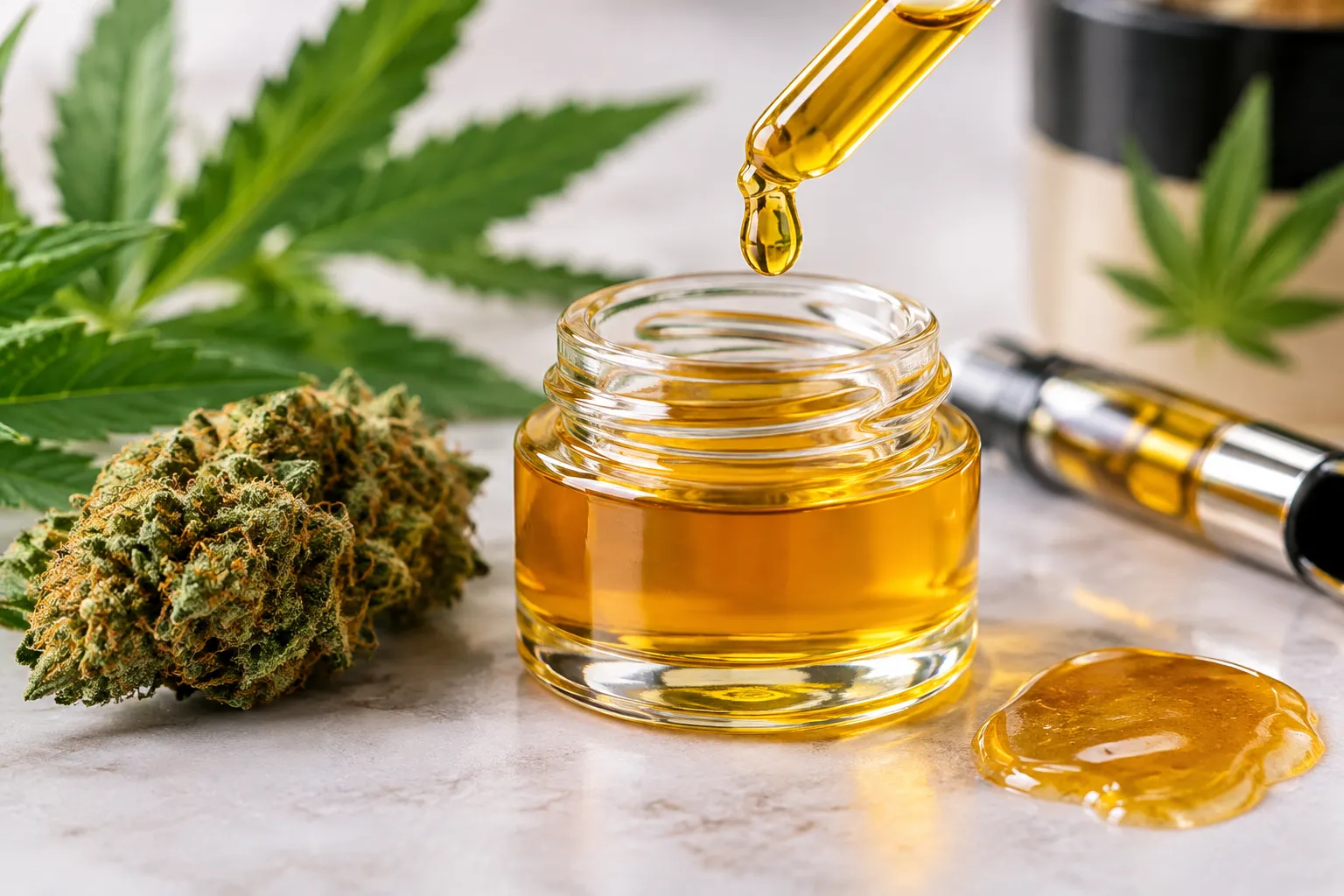
High-potency THC distillate is one of the most concentrated cannabis-derived products available in regulated markets. Known for its high cannabinoid content and relatively refined appearance, THC distillate is commonly used in vape products, edibles, and other cannabis formulations. However, terms such as “high potency,” “pure,” and “distillate” can be misleading without reliable laboratory testing and accurate labeling.
What Is THC Distillate?
THC distillate is a refined cannabis extract in which unwanted compounds and many other plant components have been removed to produce a concentrated cannabinoid product. Compared with traditional cannabis extracts, distillate generally contains substantially higher levels of THC and has a more uniform appearance.
The distillation process can reduce compounds such as pigments, plant waxes, and other components found in less-refined extracts. However, a refined appearance does not automatically mean that a product is completely pure. Residual compounds, processing contaminants, or inaccurate labeling can still be concerns.
Understanding THC Strength
Strength generally refers to the concentration of THC in a product. It may be expressed as a percentage, such as THC by weight, or as a specific amount of THC per serving.
A higher percentage does not necessarily mean a better product. Extremely concentrated THC can produce stronger psychoactive effects, and individual responses can vary considerably. Factors such as tolerance, consumption method, body chemistry, and previous cannabis experience can influence the effects.
Consumers should therefore pay attention to both the total THC content and the amount per serving rather than relying solely on a headline potency number.
What Does Purity Really Mean?
Purity is more complicated than THC percentage. A product can have a high THC concentration while still containing unwanted substances. Reliable cannabis testing can examine cannabinoids as well as potential contaminants, including residual solvents, pesticides, heavy metals, and microbial contamination.
A credible Certificate of Analysis (COA) can provide valuable information about these characteristics. Ideally, the laboratory conducting the analysis should be independent, appropriately accredited, and clearly identified on the report. Consumers should also check that the product's batch or lot number corresponds with the testing documentation.
Why Third-Party Testing Matters
Laboratory testing provides a more objective way to evaluate potency and purity than appearance, marketing claims, or consumer reviews. A trustworthy test report may show the concentrations of THC and other cannabinoids while also indicating whether the sample passed relevant contaminant screens.
This is particularly important with high-potency products because inaccurate labeling can make it difficult for consumers to understand how much THC they are actually receiving.
Responsible Consumer Awareness
Because THC distillate can be highly concentrated, responsible use and careful attention to product labeling are important. Laws and regulations surrounding cannabis products also differ substantially between jurisdictions. Consumers should purchase only products that are legally available in their location and follow applicable packaging, serving, and age requirements.
Ultimately, potency is only one part of product quality. A genuinely well-characterized THC distillate should have transparent labeling, credible laboratory documentation, and evidence that it has been tested for relevant contaminants.
Understanding the difference between strength and purity helps consumers make more informed decisions. Rather than assuming that the highest THC number represents the best product, look for transparent testing, accurate labeling, and responsible quality standards.