High-End Cooking Appliances: What to Consider Before Buying Them
26 Views
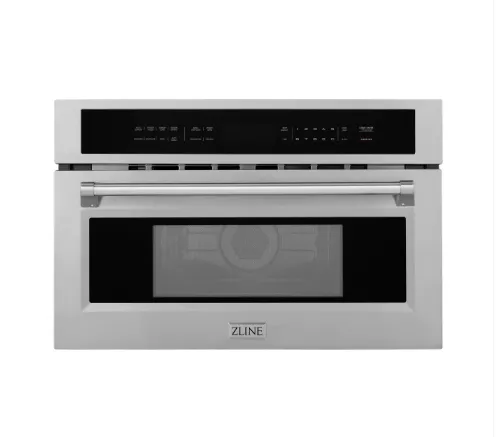
Modern kitchens are increasingly designed around appliances that combine cooking performance, convenience, durability, and thoughtful design. Choosing high-end cooking appliances is therefore about more than selecting products with premium finishes. The right equipment should match cooking habits, available space, preferred fuel type, ventilation needs, and the level of control required for everyday meals.
From professional-style ranges and induction cooktops to convection ovens and specialized cooking systems, today's market offers numerous configurations.
Which Fuel Type Should You Choose?
Gas cooktops provide visible flames and direct heat adjustment. Dual-fuel ranges combine gas burners with an electric oven, offering two different heating methods within one appliance. Induction cooktops use electromagnetic energy to heat compatible cookware directly.
One of the most important decisions when selecting high-end cooking appliances is choosing the appropriate cooking technology. Gas, electric, dual fuel, and induction systems each operate differently.
What Should You Look for in a Premium Range?
Ranges are often the centerpiece of a kitchen, so selecting one requires careful consideration of both cooktop and oven performance. When comparing premium kitchen appliances, shoppers should examine exactly how the convection system operates rather than assuming that every model delivers the same results.
Burner Configuration
Look at the number, size, and output of burners rather than simply choosing the highest available BTU rating. Different burners can serve different purposes, from gentle simmering to high-temperature searing.
Oven Capacity
Oven capacity becomes particularly important for households that regularly entertain or prepare multiple dishes. Larger cavities can accommodate bigger cookware, while models with multiple ovens can allow different dishes to be prepared at different temperatures.
How Important Is Ventilation?
The U.S. Environmental Protection Agency recommends using a range hood whenever cooking and, when possible, venting the hood to the outdoors.
This becomes particularly important with high-output gas burners, grills, griddles, and other cooking systems that can generate substantial heat and emissions.
When planning high-end kitchen equipment, homeowners should consider the range hood, ducting, make-up air requirements where applicable, and installation clearances at the same time as the cooking appliance.
How Does Build Quality Affect Appliance Selection?
Heavy-duty grates, durable knobs, stainless-steel construction, and robust oven racks are common characteristics of professional-style equipment. However, construction should always be evaluated alongside warranty coverage, service availability, installation requirements, and manufacturer specifications.
Construction is another consideration when evaluating luxury cooking appliances. Materials, burner components, oven racks, hinges, controls, insulation, and other internal components can affect the everyday experience of using an appliance.
Should You Choose Professional-Style Cooking Appliances?
Homeowners should consider the kitchen's size, electrical and gas infrastructure, ventilation capacity, and typical cooking volume before selecting a professional-style configuration.
Professional cooking appliances are designed to provide capabilities associated with restaurant-style cooking in a residential environment. They can offer larger cooking surfaces, higher-output burners, specialized cooking zones, and expanded oven capacity.
That does not mean every home requires professional-style equipment. Larger ranges can require more space and stronger ventilation, while high-output cooking systems may increase installation complexity.
How Do You Build a Complete Luxury Kitchen?
A successful kitchen should be planned as a coordinated system rather than as a collection of unrelated appliances. The range or cooktop, oven, ventilation system, refrigeration, dishwasher, and other equipment should fit the kitchen's layout and workflow.
When selecting luxury home appliances, homeowners should therefore review installation specifications before finalizing cabinetry or electrical plans. This approach can reduce the risk of discovering compatibility issues after construction has begun.
What Should You Consider Before Buying?
Before purchasing high-end cooking appliances, create a list based on actual needs. Consider how often you cook, the number of people you usually prepare food for, preferred cooking methods, available kitchen space, fuel availability, ventilation requirements, and desired features.
It is also useful to compare total ownership considerations rather than focusing only on the initial purchase price. Installation, ventilation, maintenance, warranty coverage, and service availability can all contribute to the long-term cost of an appliance.
Conclusion
For homeowners exploring luxury home appliances, Smart Home Luxury offers a collection of cooking solutions that can be considered alongside the kitchen's layout, cooking requirements, and overall design. Taking time to compare specifications, installation needs, ventilation, and useful features can help create a sophisticated kitchen that is built around practical everyday performance.
Related Reading
Why Lifestyle & Culture is Transforming the Global Industry Landscape
Welcome to our in-depth exploration of Lifestyle & Culture. In an era define...
Expert Insights: Navigating the Complex World of Lifestyle & Culture
Welcome to our in-depth exploration of Lifestyle & Culture. In an era define...