Have You Ever Repaired a Torn Leather Jacket Lining?
128 Views
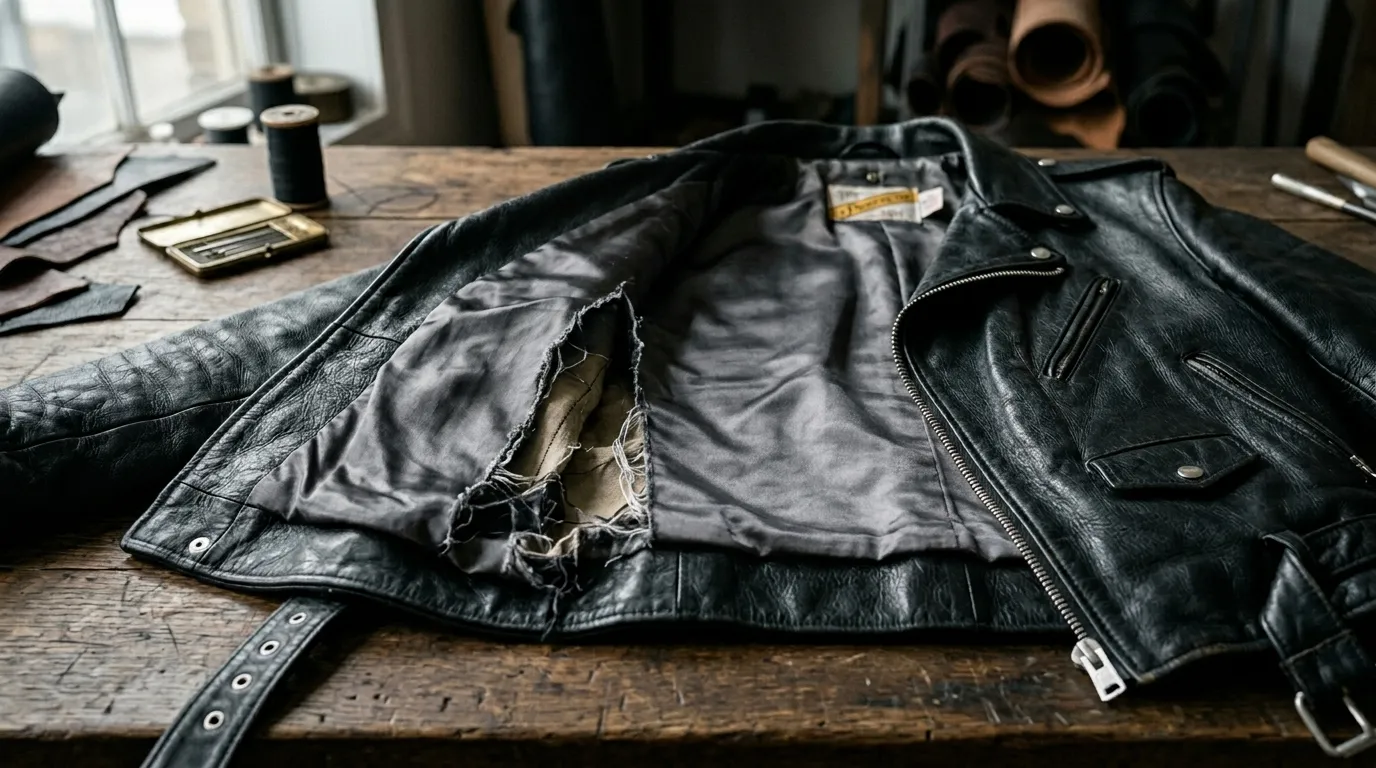
I still remember reaching into my jacket pocket one morning and feeling something wrong. The inner lining had split open right along the seam. My favorite black leather jacket, the one I wore three seasons straight, suddenly had a torn mess on the inside.
If you have been there, you know the sinking feeling. And if you have not, it is coming. Lining tears are one of the most common leather jacket problems. Most people assume the leather fails first. It does not. The lining goes first, almost every time.
Here is what I learned after fixing mine and researching how others handle it.
Why Does a Leather Jacket Lining Tear in the First Place?
Jacket linings are built from thin materials on purpose. Polyester, viscose, and satin make the jacket feel comfortable and easy to put on. But they were never designed to take years of stress. Every time you move your arms, the lining moves with you. Over time, it just gives out.
The most common causes of lining damage:
• Polyester and viscose linings wear thin after 2 to 3 years of regular daily use
• Seam stitching loosens when the jacket is washed wrong or exposed to dryer heat
• Armhole seams fail first because they take the most repeated movement stress
• Cheap thread used in budget jackets breaks down faster than the leather ever would
• Pocket edges fray and tear from keys, coins, and constant reach-in use
What the data says about lining failures:
• Nearly 60% of leather jacket owners report lining damage before the leather shows any wear
• Most lining failures happen between 18 and 36 months of consistent use
• Armhole and side seams account for over 70% of all reported lining tears
• Jackets with bonded or split leather fail twice as fast as full-grain leather construction
How to Fix a Torn Jacket Lining at Home
Most lining repairs are doable at home. You do not need to be a tailor. The key is matching the right fix to the right type of damage.
What works for each repair type:
• Clean seam split: use a curved needle and matching thread for tight, durable stitching
• Body tear (not on seam): iron-on lining patches hold well and stay invisible from outside
• Fabric glue: works as a short-term fix but hand stitching always lasts longer
• Pocket lining tears: reinforce with bar tacking at the corners after stitching the seam
• Full lining replacement: a leather repair shop charges $50 to $120 and does a cleaner job
One practical tip: always test the thread color against the lining before you start. This matters most inside a black leather jacket because any contrast shows immediately when you open the jacket in good lighting. You can also check the leather repair guide
When Repair Is Not the Answer Anymore
There is a point where a jacket has been patched too many times. The lining is gone in two spots, the stitching is fraying at the collar, and the leather itself feels stiff or flaky. No repair brings it back to where it was.
This happens almost always with fast-fashion leather jackets. The leather is bonded or split, the lining is the cheapest polyester available, and the whole jacket was never built to survive more than one season of real wear.
If you love the worn, rugged look of aged leather but want something that holds up properly, a brown distressed motorcycle jacket made from full-grain leather is worth looking at seriously. The distressed effect on quality jackets is in the leather itself, created through vegetable tanning and hand finishing. It is not a surface coating that peels or cracks. That means the jacket ages better, not worse, with every year you wear it.
Brands that build with full-grain and vegetable-tanned hides put the same attention into lining construction. You are not paying for a jacket that photographs well and then splits at the armhole by spring.
What to Actually Look for Before Buying Your Next Jacket
Most buyers focus only on the exterior when shopping. That is the mistake. The interior build tells you how long the jacket will actually last.
Check these things before you buy:
• Lining material: bemberg rayon and satin outlast polyester by several years
• Seam quality: double-stitched seams handle stress far better than single-sewn
• Armhole construction: flat-felled seams resist tearing longer under daily movement
• Pocket reinforcement: bar tacking at stress points adds years to pocket lifespan
• Leather type: full-grain is the only type that actually improves with age and use
A well-built leather jacket should last a decade or more with basic care. If the lining tears within two years, that is a quality signal, not a repair problem.
Frequently Asked Questions
Can I replace the lining myself without sewing?
Yes, for small repairs. Iron-on lining fabric and fabric adhesive work well on tears that are away from seams. For full relining or seam repairs, hand stitching gives a much cleaner and longer-lasting result.
How much does professional lining replacement cost?
Most leather repair shops charge between $50 and $150. The price depends on jacket size, the lining material chosen, and whether any seam reinforcement is needed at the same time.
What lining material holds up the longest?
Bemberg rayon and satin consistently outlast polyester. They are also softer against the skin and cause less internal friction, which reduces stress on the seams over time.
Is it worth repairing an old jacket or buying new?
If the leather is full-grain and the jacket fits well, repair it every time. If the leather is bonded, flaking, or the jacket was low-cost to begin with, buying a better-built replacement makes more financial sense in the long run.
Does lining quality affect how the leather jacket wears overall?
Yes. A heavy or stiff lining puts extra stress on inner seams and can distort how the jacket hangs over time. A lightweight, well-fitted lining reduces internal friction and helps the jacket hold its original shape season after season.