Hand Therapy Techniques to Improve Strength and Mobility
42 Views
Introduction
Your hands help you perform everyday tasks, from holding a coffee cup to typing on a keyboard. However, pain, stiffness, injury or reduced muscle strength can make these activities more difficult. Hand therapy uses targeted exercises and movement techniques to help improve strength, flexibility and coordination. Whether you are recovering from an injury or noticing changes in your grip, understanding these techniques can help you take a more active role in your recovery. With the right approach, you can work toward better hand function and greater independence in daily life.
Understanding Hand Therapy And Its Benefits
Hand therapy focuses on improving the movement, strength and function of your hands, wrists and fingers. It may be recommended after an injury, surgery or a condition that affects your ability to perform everyday activities.
A physical or occupational therapist can assess your needs and create an exercise plan suited to your condition. The goal is not simply to build stronger hands but to help you use them comfortably and safely.
Who Can Benefit From Hand Therapy?
Hand therapy may be useful if you:
-
Are recovering from a hand or wrist injury and need to regain movement or strength.
-
Experience stiffness that makes gripping, writing or handling objects difficult.
-
Have reduced hand strength due to aging or limited physical activity.
-
Want to improve grip control for sports, exercise or everyday tasks.
Your therapist can help determine which exercises are appropriate for your needs and how quickly you should progress.
Hand Therapy Techniques To Improve Mobility
Mobility exercises help your fingers and wrists move through a comfortable range of motion. They are often introduced before more demanding strengthening activities, especially when stiffness or discomfort limits movement.
1. Finger Tendon Glides
Tendon glides help your fingers move through different positions while encouraging smooth tendon movement. They can be useful when stiffness makes it difficult to bend or straighten your fingers.
Start with your fingers straight. Slowly bend them into a hook shape, then make a gentle fist. Return to the starting position and repeat. Move slowly without forcing your fingers into painful positions.
2. Wrist Flexion And Extension
Wrist exercises help maintain flexibility and support everyday movements such as lifting a cup or turning a doorknob.
Rest your forearm on a table with your hand extending beyond the edge. Slowly bend your wrist upward and downward within a comfortable range. Keep your forearm still and avoid forcing the movement.
3. Thumb Opposition
Thumb opposition improves coordination between your thumb and fingers. This movement is important for holding small objects, fastening buttons and picking up items.
Touch your thumb to the tip of each finger, one at a time. Move at a controlled pace and try to reach each fingertip without straining.
Hand Therapy Techniques To Build Strength
Once you can move your hand comfortably, strengthening exercises may help improve your ability to grip, hold and manipulate objects. Your therapist can adjust resistance and repetitions based on your recovery.
1. Soft Ball Squeezes
A soft therapy ball can help you practice controlled gripping. Choose a ball that allows you to squeeze without pain or excessive effort.
Hold the ball in your palm and gently squeeze it for a few seconds. Relax your hand before repeating. Focus on a steady grip rather than squeezing as hard as possible.
2. Finger Spreading
Finger spreading targets the small muscles that help control movement between your fingers. These muscles support hand coordination and everyday tasks.
Place your hand flat on a table, then spread your fingers apart as far as feels comfortable. Bring them together slowly. You can also use a light resistance band around your fingers if your therapist recommends it.
3. Pinch Strengthening
Pinch exercises help you practice holding small objects between your thumb and fingers. This movement is useful for tasks such as turning keys, picking up coins and fastening clothing.
Gently pinch a soft object between your thumb and index finger. Hold briefly, then release. Avoid pressing your fingertips together with excessive force.
Making Hand Therapy Part Of Your Routine
Consistency is important when practicing hand therapy exercises. Short, regular sessions may be easier to manage than long workouts that leave your hands tired.
However, the right routine depends on your condition and recovery stage. Start with movements that feel comfortable and follow your therapist's instructions.
Tips For Practicing Safely
Keep these points in mind as you practice:
-
Warm Up First: Gently move your fingers and wrists before beginning strengthening exercises. This helps prepare your hands for movement.
-
Start With Low Resistance: Use soft therapy tools or your body weight before progressing to stronger resistance. Increase difficulty gradually as your strength improves.
-
Monitor Discomfort: Mild muscle fatigue may occur, but sharp pain, increased swelling or persistent discomfort should not be ignored. Stop the exercise and consult your therapist if symptoms worsen.
-
Allow Time For Recovery: Your hands need time to rest between strengthening sessions. Follow your therapist's guidance on exercise frequency and intensity.
Using Technology To Track Hand Strength
Technology can make it easier to understand your progress during hand training. Smart devices can measure grip strength and provide feedback that helps you see how your performance changes over time.
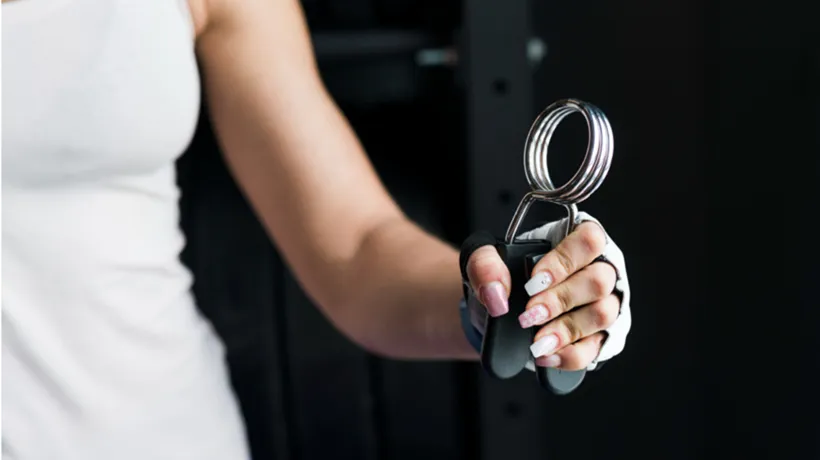
It allows users to practice grip and pinch exercises, track performance and engage with interactive training activities.
For people working toward specific rehabilitation goals, this type of feedback can help make progress more visible. However, digital measurements should support professional guidance rather than replace an assessment by a qualified therapist.
Conclusion
Hand therapy can help you work toward better strength, mobility and control through simple, targeted exercises. Finger movements, wrist stretches and gradual strengthening activities can support everyday hand function when performed correctly.
Choose exercises that match your needs and progress at a comfortable pace. If you are looking for a best grip strengthener, consider a tool that offers suitable resistance and allows you to monitor your progress. Always consult a healthcare professional if you are recovering from an injury or experiencing ongoing pain.
Frequently Asked Questions
1. How Often Should You Practice Hand Therapy Exercises?
The frequency depends on your condition, exercise type and recovery stage. Your therapist may recommend short daily mobility sessions or scheduled strengthening workouts. Follow their instructions rather than increasing repetitions or resistance on your own.
2. Can Hand Therapy Improve Grip Strength?
Yes. Appropriate strengthening exercises can help improve grip strength over time. Activities such as soft ball squeezes and pinch exercises target muscles involved in holding and handling objects. Results depend on your starting strength, consistency and underlying condition.
3. Are Hand Therapy Exercises Suitable For Older Adults?
Many older adults can benefit from gentle hand exercises that support mobility and strength. However, the exercises should match their abilities and health needs. A therapist can recommend suitable movements and adjust resistance when necessary.
4. Should You Continue Hand Exercises If They Cause Pain?
Stop any exercise that causes sharp or increasing pain. Some muscle fatigue may be normal, but pain or swelling can indicate that an activity is too demanding. Ask your therapist whether you should modify the movement or pause the exercise.
5. Can Smart Hand Grippers Be Used During Rehabilitation?
Smart hand grippers may support rehabilitation by measuring grip performance and tracking changes over time. However, they are not suitable for every injury or recovery stage. Consult your therapist before using one, especially after surgery or during early recovery.