Hair Loss Treatment: Understanding Your Options for Thinning Hair
By Medical Hair Restoration Center
54 Views
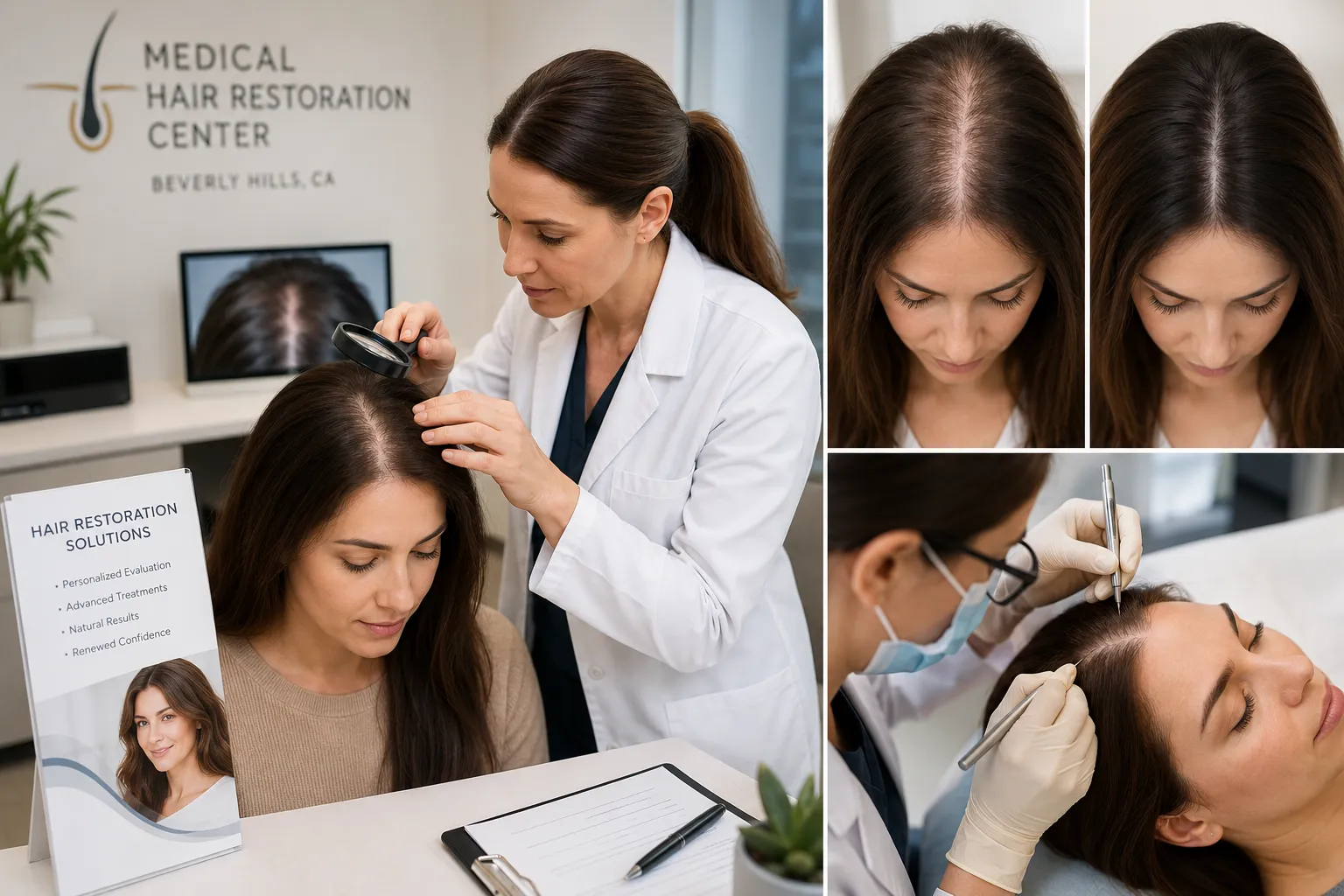
Hair loss can happen gradually, making it easy to overlook until thinning becomes more noticeable. For some people, it may appear as a widening part, a receding hairline, reduced density, or more hair than usual on a brush or in the shower. Whatever the pattern, finding the right hair loss treatment starts with understanding why the hair is changing in the first place.
For women in particular, hair thinning can be frustrating because it may affect the overall appearance of the hair without always creating a clearly defined bald spot. If you are looking for hair loss treatment for women, a personalized evaluation can help identify appropriate options based on your individual concerns.
At Medical Hair Restoration Center in Beverly Hills, CA, patients can explore personalized hair restoration solutions designed around their specific hair and scalp needs.
Understanding Hair Loss and Hair Thinning
Hair naturally goes through cycles of growth, shedding, and renewal. Losing some hair each day is normal. However, noticeable changes in density or continued thinning may indicate an underlying issue that deserves professional attention.
Common Signs of Hair Loss
Hair loss can present itself in different ways. Some common signs include:
- A widening hair part
- Thinning around the crown
- A receding hairline
- Reduced overall hair density
- Increased shedding
- A thinner-looking ponytail
- More visible scalp
- Gradual changes in hair texture or fullness
Recognizing these changes early can encourage you to seek professional guidance before the problem becomes more noticeable.
Why Hair Loss Happens
There is no single reason for hair loss. Genetics can play an important role, but other factors may contribute as well.
Potential influences can include age, hormonal changes, nutritional concerns, stress, certain medications, medical conditions, and changes in the hair-growth cycle.
Because different causes can require different approaches, it is important not to assume that one solution will work for everyone.
Choosing the Right Hair Loss Treatment
The most appropriate hair loss treatment depends on the individual. A professional consultation can provide an opportunity to discuss your concerns, review your hair-loss pattern, and determine which options may be appropriate.
Start With a Personalized Evaluation
A thorough evaluation is an important first step. During a consultation, a hair restoration professional can look at the current condition of your hair and scalp while discussing your history and goals.
You may want to discuss:
- When you first noticed hair loss
- Whether the thinning has progressed
- Areas where you have noticed the greatest change
- Your family history of hair loss
- Previous treatments you have tried
- Your desired appearance and goals
This information can help create a more individualized approach.
Avoid One-Size-Fits-All Solutions
Hair loss varies considerably from person to person. A treatment that may be suitable for one patient may not be the right choice for another.
For this reason, personalized care is especially important. Instead of focusing only on adding density, an effective treatment plan should consider the overall appearance of the hair, existing follicles, scalp condition, and long-term goals.
Hair Loss Treatment for Women: What Women Should Know
Women may experience hair loss differently from men, which makes personalized assessment particularly valuable. Thinning may occur across a broader area of the scalp rather than creating one concentrated bald spot.
If you are researching hair loss treatment for women, understanding the pattern and possible contributing factors is an important starting point.
Common Patterns of Hair Thinning in Women
Women may notice:
- A widening center part
- Overall reduction in hair volume
- Thinning around the crown
- A smaller-looking ponytail
- Increased scalp visibility
- Gradual loss of density
These changes can develop slowly, which is why paying attention to your hair's appearance over time can be useful.
Why Individual Assessment Matters
Female hair loss can have several possible contributing factors. Hormonal changes, genetics, aging, stress, nutritional factors, and other circumstances can influence hair growth.
A professional consultation allows these concerns to be discussed rather than relying on assumptions or generalized treatments.
Hair Restoration Options to Consider
Modern hair restoration offers several approaches. The right option depends on the patient's specific situation, goals, and evaluation.
Non-Surgical Approaches
Depending on the cause and pattern of hair loss, some patients may benefit from non-surgical approaches designed to support hair health or address specific concerns.
The appropriate option should be determined after professional evaluation rather than selecting a treatment solely because it is popular online.
Hair Restoration Procedures
For certain patients, hair restoration procedures may be considered when additional coverage or density is desired.
Hair transplantation involves moving healthy hair follicles from a donor area to areas affected by hair loss. Careful planning is important because the placement, direction, and distribution of hair can influence the overall appearance.
Not everyone is an ideal candidate for transplantation, so consultation and assessment remain important steps.
What to Expect During a Hair Restoration Consultation
If you have never visited a hair restoration center, you may wonder what happens during the first appointment.
Discuss Your Concerns
The consultation should begin with your concerns and goals. You can explain what changes you have noticed and what you would like to improve.
Being open about your expectations can help the provider understand what matters most to you.
Evaluate Your Hair and Scalp
Your hair density, scalp, existing hair, and pattern of thinning may be assessed. The provider can then explain what options may be appropriate based on your individual circumstances.
Develop a Personalized Plan
After the evaluation, you can discuss possible next steps. A personalized plan may focus on improving the appearance of thinning areas, supporting existing hair, restoring density, or combining appropriate approaches.
A good consultation should leave you with a clearer understanding of your options rather than pressure to make an immediate decision.
Why Professional Guidance Matters
Searching online can provide a large amount of information about hair loss, but online advice cannot replace an individualized evaluation.
Understand Your Specific Situation
Two people may have similar-looking thinning but completely different underlying factors. Professional assessment can help distinguish between different patterns and determine which solutions may be worth considering.
Set Realistic Expectations
Hair restoration is a process. Results, timelines, and suitability can vary from person to person.
A trustworthy provider should explain what can realistically be expected and discuss factors that may affect the outcome. Be cautious of claims promising instant or guaranteed results.
Preparing for Your Hair Restoration Appointment
A little preparation can make your consultation more productive.
Make a List of Questions
Consider asking:
- What could be contributing to my hair loss?
- Which treatment options may be appropriate?
- Am I a candidate for hair restoration?
- What kind of results might be realistic?
- What should I expect during recovery?
- How long does the process typically take?
- What follow-up care may be recommended?
Having your questions ready can help you make better use of your appointment.
Think About Your Long-Term Goals
Consider what you would like to improve. You may want greater fullness, a more balanced hairline, improved coverage, or simply a better understanding of why your hair is thinning.
Clear goals can help guide the consultation and treatment planning process.
Choosing a Hair Restoration Center in Beverly Hills, CA
For people searching for hair loss treatment in Beverly Hills, choosing a provider should involve more than comparing advertisements.
Look for a center that emphasizes:
- Personalized consultations
- Clear communication
- Realistic expectations
- Professional treatment planning
- Patient education
- Appropriate follow-up care
- A focus on natural-looking outcomes
Beverly Hills patients often seek personalized aesthetic and wellness services, making attention to detail and individualized care especially important when considering hair restoration.
Medical Hair Restoration Center
Medical Hair Restoration Center in Beverly Hills, CA provides patients with an opportunity to discuss their hair concerns and explore personalized hair restoration solutions.
Whether you are experiencing gradual thinning or are specifically researching hair loss treatment for women, understanding your options can be the first step toward making a confident, informed decision.
Practical Tips for Managing Hair Loss Concerns
While professional evaluation is important, there are also simple ways to become more aware of changes in your hair.
Monitor Changes Over Time
Take note of changes in:
- Hair density
- Part width
- Hairline appearance
- Shedding
- Ponytail thickness
- Scalp visibility
Tracking these changes can provide useful information during a consultation.
Be Careful With Online Claims
Hair loss products and treatments are widely promoted online. However, dramatic claims do not necessarily mean a particular approach is right for you.
Instead, focus on evidence-based information and professional guidance tailored to your circumstances.
Give Treatment Time
Many hair restoration approaches require patience. Hair grows through natural cycles, and visible changes may take time.
Following professional instructions and attending recommended follow-ups can help you understand your progress and make informed decisions throughout the process.
Final Thoughts
Finding the right hair loss treatment starts with understanding your individual pattern of hair loss and choosing a personalized approach. Whether you are experiencing gradual thinning, reduced density, or changes in your hairline, professional guidance can help you understand the options available.
For women specifically researching hair loss treatment for women, an individualized evaluation is especially valuable because female hair thinning can have different patterns and contributing factors.
Medical Hair Restoration Center in Beverly Hills, CA can help patients explore their hair restoration concerns and learn more about potential treatment options. With proper evaluation, realistic expectations, and personalized planning, you can take a more informed step toward addressing hair loss and improving the appearance of your hair.