Guide to Professional ATM Machine Installation for Businesses
By Best Products Sales & Service, Inc.
33 Views
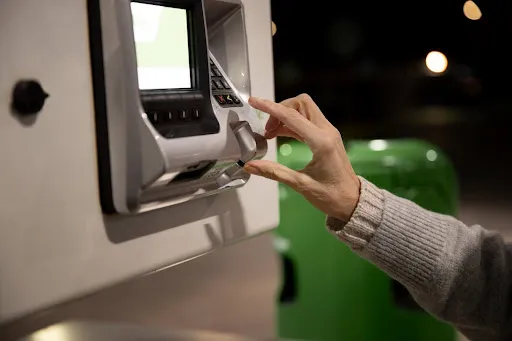
Bringing a cash dispensing unit into a business location involves more than simply setting the machine down and plugging it in. A successful ATM machine installation requires careful attention to site selection, connectivity, and compliance requirements to ensure the unit operates reliably from the start. Business owners who take the time to understand this process are better equipped to avoid common setbacks, such as poor placement or overlooked accessibility requirements, that can affect both customer experience and long-term profitability.
Assessing the Right Location
Choosing where to place the machine is one of the first and most important steps in the process. Areas near entrances, checkout counters, or other high-traffic zones tend to generate more consistent usage than locations tucked away in less visible parts of a store. Adequate lighting, sufficient space for customer access, and proximity to necessary utilities all play a role in determining whether a spot is suitable for installation.
Meeting Accessibility Standards
Beyond visibility, the chosen location must accommodate accessibility requirements outlined by the Americans with Disabilities Act (ADA). This includes ensuring there is enough clearance for wheelchair access and that control panels are positioned at an appropriate height. Failing to account for these standards during the planning phase can lead to compliance issues that may require costly adjustments later on.
Power and Network Requirements
Every machine needs a stable power source, typically a dedicated electrical outlet, along with a reliable method of communication to process transactions. Depending on the model, this may involve a telephone line or an internet connection. Confirming that the chosen location has access to the necessary infrastructure before installation begins can help prevent delays or technical complications once the setup process starts.
Anchoring and Physical Security
Physical security is a key part of any ATM machine installation process. Machines are typically bolted or anchored securely to the floor or wall to deter theft and prevent unauthorized movement. In addition to secure anchoring, many businesses also coordinate installation with existing surveillance systems to ensure the machine's location falls within camera coverage.
Software Configuration and Testing
Once the machine is physically in place, it must be properly configured to communicate with payment networks. This includes setting up encryption protocols, configuring transaction limits, and ensuring the machine's software is up to date. It's also important to verify that the machine's network connection remains stable, since interruptions during a transaction can lead to failed withdrawals or reconciliation errors. Before making the unit available to customers, thorough testing should be conducted to confirm that transactions process correctly, cash dispenses accurately, and receipts print without issue.
Working With a Professional Installer
While some business owners attempt to manage installation independently, working with an experienced professional can help avoid common mistakes related to wiring, calibration, and compliance. A professional ATM machine installation typically includes a final walkthrough covering basic operation, troubleshooting steps, and maintenance expectations, giving business owners a clearer understanding of how to manage the machine going forward.
Planning for Ongoing Upkeep
Installation is only the first step in a longer process of ownership. After the machine is up and running, business owners need a plan for regular cash replenishment, routine maintenance checks, and monitoring transaction activity. Establishing this routine early helps ensure the machine continues to function reliably and remains a positive addition to the customer experience.
Conclusion
A well-executed ATM machine installation depends on thoughtful planning around location, accessibility, connectivity, and security. Taking these factors into account from the outset helps minimize technical issues and ensures a smoother experience for both the business and its customers. For owners who want additional support throughout the process, working with a professional ATM service provider can offer valuable guidance from initial setup through ongoing operation.
Related Reading
Top 10 Hidden Secrets About Business & Finance You Need to Know
Welcome to our in-depth exploration of Business & Finance. In an era defined...
Why Business & Finance is Transforming the Global Industry Landscape
Welcome to our in-depth exploration of Business & Finance. In an era defined...