Google Ads for Dentists: Proven Strategies to Attract More Patients
5 Views
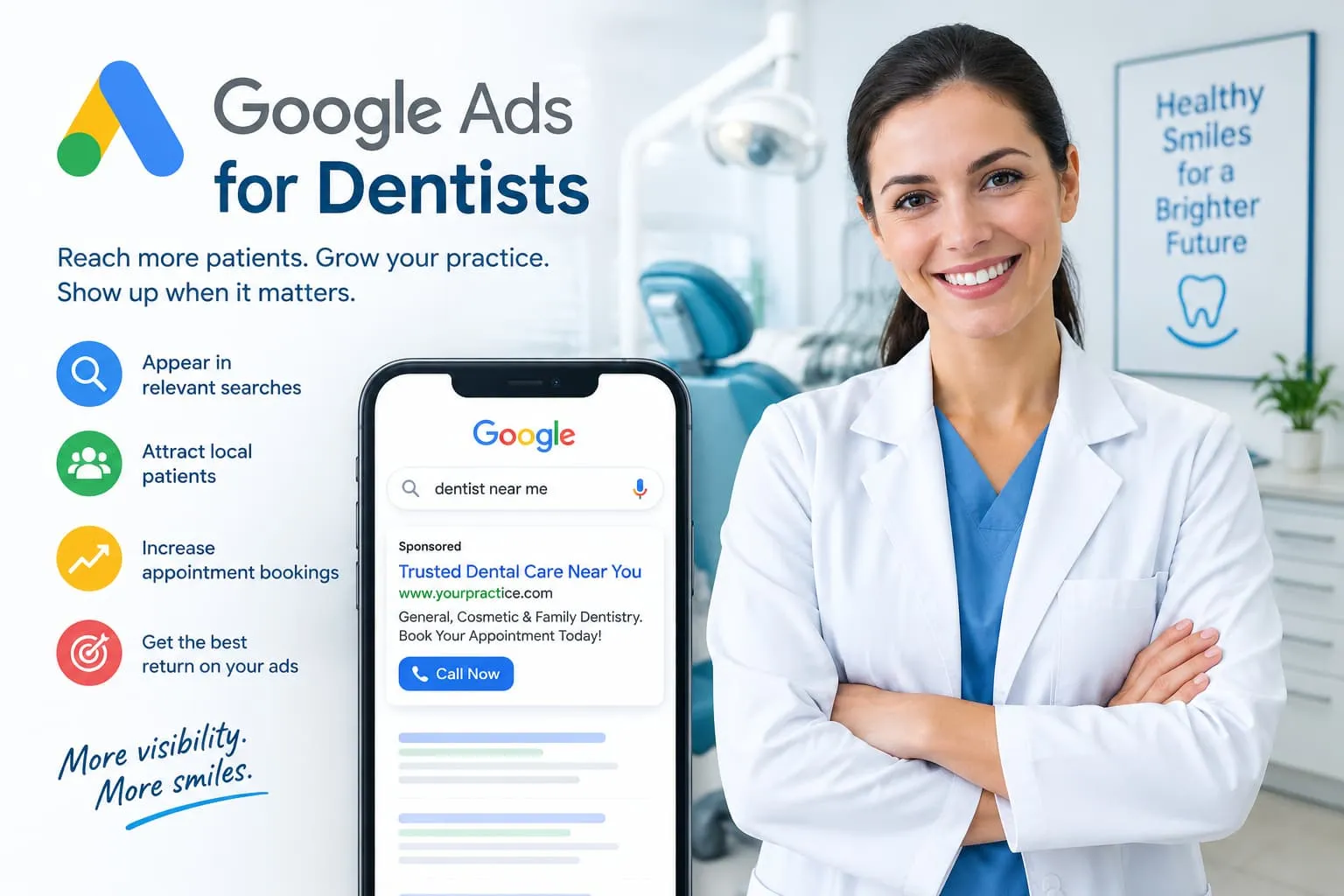
When someone searches online for a nearby dentist, they often want answers quickly. They may need an emergency appointment, be considering dental implants, or simply be looking for a reliable family dentist. If your practice does not appear when these searches happen, potential patients may contact another clinic. Google Ads for dentists can help dental practices become visible at these important moments.
For dental practices looking to improve their online reach, Dentist Spark emphasizes the value of connecting targeted advertising with helpful website content and a smooth appointment process. A successful campaign does more than generate clicks. It reaches relevant people, communicates the right message, and makes it easy for interested visitors to contact your practice.
What Are Google Ads for Dentists?
Google Ads is an online advertising platform that allows dental practices to display paid advertisements for relevant search queries. Depending on the campaign type, ads may appear in Google Search results and other placements across Google's advertising network.
For example, a person searching for “emergency dentist near me” may see an advertisement for a nearby clinic offering emergency appointments. Someone researching dental implants may see an ad directing them to a page explaining the consultation process.
Unlike organic search optimization, paid search advertising can provide visibility while campaigns are active. However, placement and performance depend on factors such as competition, bid strategy, ad relevance, location settings, and landing-page quality.
The objective is not to advertise to everyone. It is to connect your practice with people whose searches match your services and who can realistically visit your clinic.
Why Dental Practices Should Consider Google Ads
Reach People With Relevant Search Intent
Search advertising can connect your practice with people actively looking for dental services. Someone searching for a specific treatment may already be comparing providers or preparing to arrange a consultation.
Choose keywords that reflect the services your practice actually provides. If you do not offer emergency appointments, for example, targeting emergency-related searches may waste budget and disappoint prospective patients.
Promote Specific Dental Services
Google Ads allows practices to organize campaigns around different services, locations, and goals. You might create separate campaigns for general dentistry, cosmetic treatments, dental implants, or emergency care.
This structure makes it easier to match advertising messages with the needs of prospective patients. It also helps you evaluate which services generate relevant inquiries.
Control Spending and Measure Results
Campaign budgets and bidding settings help you manage advertising expenditure. You can review clicks, calls, appointment requests, and other measurable actions to understand how your campaigns perform.
However, a click is not the same as a new patient. A useful evaluation considers the quality of inquiries, advertising costs, and whether those inquiries ultimately lead to appointments.
How to Build an Effective Google Ads Campaign
1. Choose the Right Keywords
Keyword selection is one of the most important parts of a dental advertising campaign. Start with the treatments you offer, the areas you serve, and the terms prospective patients might use when searching.
Examples include:
-
Dentist near me
-
Family dentist in Toronto
-
Dental implant consultation
-
Teeth whitening dentist
-
Emergency dental appointment
Use keyword research tools and campaign search-term reports to understand which queries are relevant. Add negative keywords to reduce unwanted clicks from searches unrelated to your services.
For example, a clinic offering professional dental treatment may want to exclude searches for unrelated courses, jobs, or do-it-yourself procedures. Review search terms regularly because patient search behavior can change over time.
Avoid choosing keywords solely because they receive high search volume. Relevance and the likelihood of generating a suitable inquiry matter more than traffic alone.
2. Write Clear and Trustworthy Ad Copy
Your advertisement should explain what the practice offers and give users a sensible reason to learn more. Include relevant service information, your location where appropriate, and a clear next step.
For example, an ad for a family dental practice might emphasize general dental services, convenient appointment requests, and its service area. An ad for implant consultations should direct users to accurate information about the consultation and treatment process.
Avoid exaggerated language, unsupported superiority claims, and guarantees about clinical outcomes. Dental advertising should be accurate, professional, and consistent with applicable regulations.
Google's responsive search ads can test different combinations of headlines and descriptions. Review the results and refine your messaging while ensuring every combination communicates a truthful and relevant message.
3. Target the Right Geographic Area
Most dental practices serve patients within a practical travel distance. Geographic targeting can help focus advertising on locations that make sense for your clinic.
Consider the neighborhood, surrounding communities, travel patterns, and actual service area. A clinic in a busy city may need a more focused radius than a practice serving several smaller communities.
Review the location settings carefully. Depending on the options selected, campaigns may reach people based on their physical presence in an area or their interest in it. Choose settings that align with your goals, and examine location reports to identify wasted spend.
4. Send Visitors to Relevant Landing Pages
An advertisement is only one part of the patient journey. After clicking, visitors need a page that matches the promise made in the ad.
If your campaign promotes teeth whitening, send visitors to a page explaining that service rather than a generic homepage. Include a clear treatment overview, useful answers to common questions, accurate contact information, and an easy appointment option.
Make sure the page works well on mobile devices. Check loading speed, readability, and the booking process. A complicated form or unclear call to action can discourage visitors who were initially interested.
How Ads for Dentists Can Generate Better Inquiries
Effective ads for dentists focus on attracting relevant prospects rather than maximizing clicks. To improve inquiry quality, align your keywords, advertisements, landing pages, and appointment process.
Start by identifying what counts as a valuable conversion. Depending on your practice, this could be a completed appointment request, a qualified phone inquiry, or another meaningful action.
Set up conversion tracking where technically and legally appropriate. Test phone links and forms to ensure important actions are recorded accurately. Avoid counting every page view as a patient lead, since this can make a campaign appear more successful than it is.
Review the actual inquiries with your front-desk team. Are people asking about services you provide? Are they located within your service area? Do they understand the next step? These observations can help reveal whether the campaign attracts the right audience.
Protect patient privacy when implementing tracking tools. Health-related advertising can involve sensitive information, so review the privacy implications of analytics, remarketing, and audience targeting before enabling them.
How Google Ads Fits Into Advertising for Dentists
Paid search works best as part of a broader advertising for dentists strategy. It can complement organic SEO, a professional website, local business listings, and social media rather than replacing them.
For example, Google Ads may help a clinic gain visibility for a specific treatment while its SEO strategy builds organic visibility over time. Useful website content can answer questions that advertisements cannot fully address, while an accurate business profile helps people verify the clinic's location and contact details.
Coordinate these channels so that your messages remain consistent. Keep service descriptions, opening hours, and contact information accurate across your website and business listings.
Review the combined results before deciding where to invest more. A campaign that generates clicks but few relevant inquiries may need better keywords or landing pages, while a service page with strong organic traffic may require improvements to its appointment process rather than additional advertising spend.
Common Google Ads Mistakes to Avoid
Several avoidable issues can reduce campaign performance:
-
Using overly broad keywords: Focus on searches relevant to the treatments and locations you serve.
-
Sending every visitor to the homepage: Use dedicated landing pages that match each campaign.
-
Ignoring search-term reports: Add negative keywords when irrelevant searches appear.
-
Measuring clicks alone: Review qualified inquiries and appointment outcomes where possible.
-
Neglecting mobile users: Test your website and contact options on smartphones.
-
Making unrealistic claims: Keep all advertising accurate and professionally responsible.
Regular campaign reviews help identify problems before they consume a significant portion of your budget.
Choosing the Right Google Ads Management Approach
Some practices manage campaigns internally, while others work with a specialist. The right approach depends on your available time, experience, budget, and need for ongoing optimization.
If you choose an agency or consultant, ask how they research keywords, manage budgets, configure conversion tracking, protect privacy, and report results. Confirm who owns the advertising account and ensure you can access campaign data.
A reliable partner should explain performance clearly and avoid guaranteeing rankings, patient numbers, or a specific return on investment. Advertising outcomes depend on competition, demand, location, budget, and the quality of the entire patient journey.
Conclusion
Google Ads for dentists can help dental practices reach relevant searchers, promote specific treatments, and generate meaningful appointment inquiries when campaigns are planned carefully. Success depends on relevant keywords, accurate ad copy, appropriate geographic targeting, useful landing pages, and reliable performance measurement.
Start by choosing one priority service, defining your target area, and establishing a realistic budget. Review the quality of your inquiries and improve the campaign based on actual results. With a focused, patient-centered strategy, Dentist Spark can help dental practices understand how paid search fits into a broader digital marketing plan and supports sustainable growth.