How General Liability Insurance Helps Protect Your Business From Costly Claims
By EdenRove
8 Views
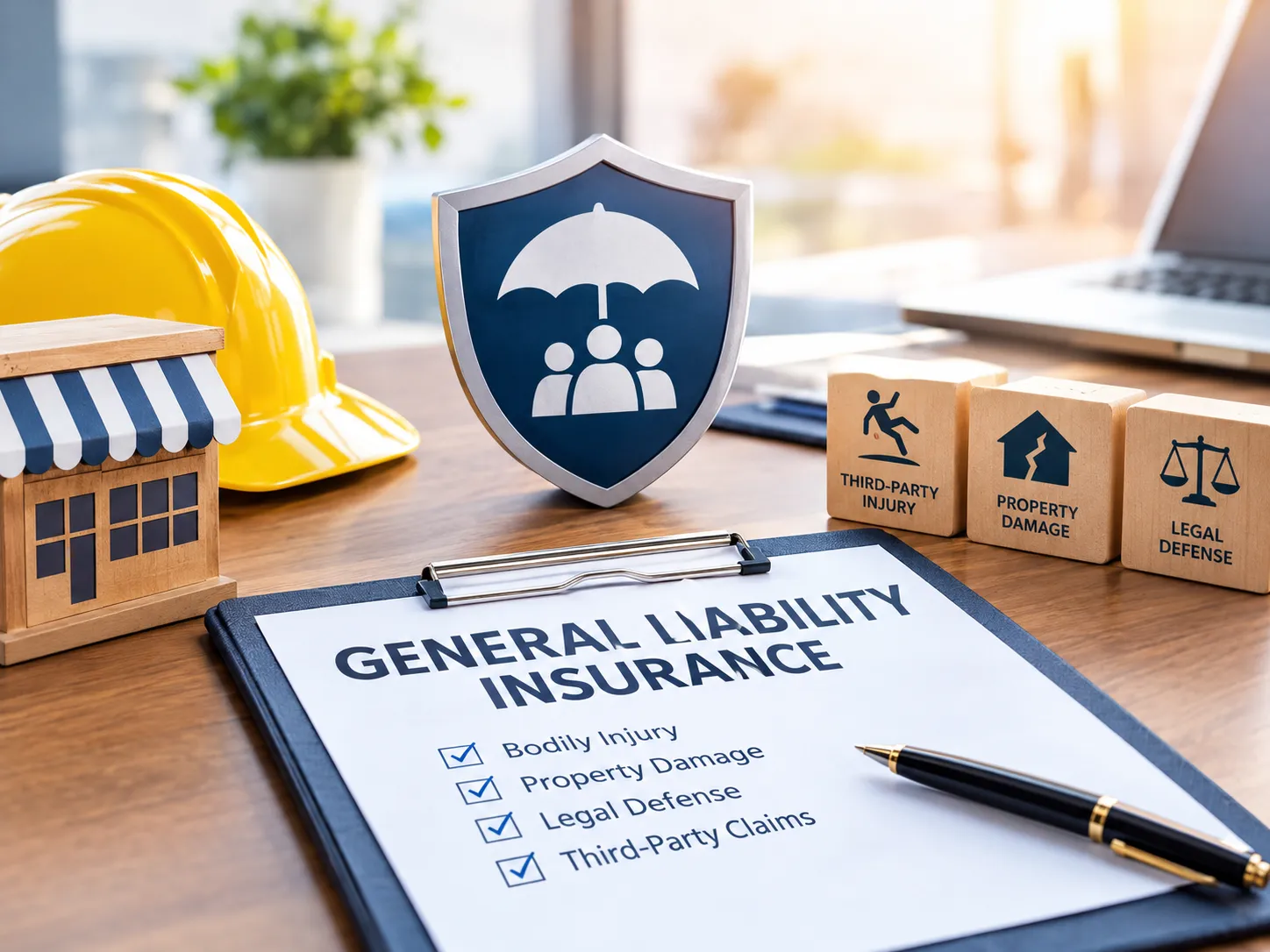
Running a business involves more than serving customers and earning revenue. Every day, companies face situations that could lead to unexpected expenses, from a customer slipping on the premises to accidental damage to someone else's property. Even a small incident can become expensive if it results in medical bills, legal costs, or a lawsuit.
General liability insurance is designed to help businesses manage many of these common risks. It can provide financial protection when a business is held responsible for certain third-party injuries, property damage, or advertising-related claims. Understanding what this coverage does, what it may exclude, and how to choose appropriate limits can help business owners make more informed decisions.
What Is General Liability Insurance?
General liability insurance is a type of business insurance that can protect a company against certain claims made by third parties. Third parties may include customers, visitors, vendors, or other individuals who interact with a business.
Depending on the policy and circumstances of a claim, coverage may help address expenses related to:
- Third-party bodily injury
- Third-party property damage
- Certain personal and advertising injury claims
- Legal defense expenses
- Settlements or judgments, subject to policy terms and limits
The exact protection depends on the insurance policy, exclusions, deductibles, limits, and applicable state requirements. Business owners should review their policy carefully rather than assuming every accident or lawsuit is covered.
Why Businesses Face Liability Risks
Almost every business has some degree of liability exposure. A retail store may have a customer injured after slipping on a wet floor. A contractor could accidentally damage a client's property while working on a project. A customer visiting a professional office could suffer an injury on the premises.
These situations can happen even when a business takes reasonable precautions.
Liability risks can also arise from business operations, products, rented premises, advertising activities, and interactions with customers or other third parties. Without suitable coverage, a company may have to pay certain legal and claim-related expenses from its own resources.
What Does This Coverage Typically Help With?
A liability policy can vary significantly between insurers and businesses, but several types of protection are commonly associated with this form of coverage.
Bodily Injury Claims
If a customer or another third party is injured because of an incident connected to the business, the company could face medical expenses or a liability claim.
For example, a visitor might trip over an object in a business location and suffer an injury. If the business is found responsible, general liability coverage may help with eligible claim expenses according to the policy.
Property Damage
Businesses sometimes accidentally damage property belonging to another person or company.
Consider a contractor working inside a customer's building. An accident could damage flooring, walls, fixtures, or other property. Depending on the circumstances and policy terms, liability coverage may help address certain third-party property damage claims.
Personal and Advertising Injury
Some policies also provide protection for certain claims involving personal and advertising injury. These may include specific allegations such as libel, slander, or certain advertising-related offenses.
This area of coverage can be complex, and exclusions may apply. Business owners should understand the definitions contained in their individual policy.
What General Liability Insurance May Not Cover
One common mistake is assuming that liability insurance covers every type of business loss. It does not.
A standard policy may exclude or limit coverage for risks such as employee injuries, professional errors, damage to your own property, certain vehicle-related accidents, intentional acts, and other specifically excluded circumstances.
For example, workers' compensation generally addresses employee work-related injuries, while commercial auto insurance may be appropriate for covered vehicle exposures. Professional liability insurance can address certain claims involving professional services or advice.
The right combination of policies depends on the type of business, its operations, employees, property, vehicles, contracts, and risk profile.
Who May Need This Type of Business Coverage?
General liability protection can be relevant to many types of businesses, including contractors, retailers, service providers, consultants, manufacturers, restaurants, property-related businesses, and other commercial operations.
Contractors may face additional exposure because they work at customer locations and interact with construction materials, equipment, subcontractors, and property.
Some clients, landlords, or project owners may also require businesses to maintain certain insurance coverage before entering into a contract. A certificate of insurance may be requested as evidence that coverage is in place.
How Much Coverage Does a Business Need?
There is no single liability limit that works for every company.
The appropriate amount can depend on factors such as:
- Type of business
- Size of the company
- Number of employees
- Location of operations
- Customer interactions
- Contract requirements
- Type of work performed
- Potential severity of claims
- Property and project exposure
Choosing limits based only on the lowest premium may leave a business with insufficient protection. On the other hand, purchasing coverage without considering actual risks can result in unnecessary costs.
A careful review of the company's operations can help identify reasonable coverage needs.
How to Reduce Liability Risks
Insurance is only one part of a business risk management strategy. Companies can also take practical steps to reduce the likelihood of claims.
Keep walkways and work areas clean and free from avoidable hazards. Train employees on workplace procedures and customer safety. Maintain tools and equipment properly. Document incidents promptly and keep important contracts and records organized.
Contractors should also follow jobsite safety procedures, verify subcontractor requirements, and understand the insurance provisions included in project contracts.
These measures cannot eliminate every risk, but they can help businesses identify problems before they become costly incidents.
Review Your Policy Before a Claim Happens
Waiting until an accident occurs is not the best time to discover that a policy does not provide the protection a business expected.
Business owners should periodically review their coverage, especially after major changes. Opening a new location, purchasing equipment, hiring employees, adding services, signing larger contracts, or expanding into new markets may change the company's insurance needs.
It is also important to understand policy limits, deductibles, exclusions, endorsements, and reporting requirements.
Protecting Your Business Starts With Understanding Its Risks
Unexpected liability claims can create financial and operational challenges for businesses of all sizes. While insurance cannot prevent accidents or eliminate every lawsuit, appropriate coverage can provide an important layer of financial protection against covered third-party claims.
The most useful approach is to look beyond the policy name and understand the actual risks facing the company. Reviewing business operations, contractual obligations, potential claims, and coverage limits can help owners make better-informed insurance decisions.
For contractors and other businesses with significant customer, property, or jobsite exposure, combining appropriate liability protection with sound safety practices and other relevant commercial insurance policies can create a more complete risk management strategy.
Related Reading
Top 10 Hidden Secrets About Business & Finance You Need to Know
Welcome to our in-depth exploration of Business & Finance. In an era defined...
Why Business & Finance is Transforming the Global Industry Landscape
Welcome to our in-depth exploration of Business & Finance. In an era defined...