What Should You Know Before Hiring a Furnace Installation Service in Whitehouse Station?
18 Views
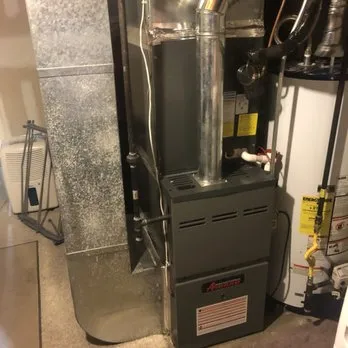
When the first hard frost settles over Hunterdon County, your furnace stops being a background appliance and becomes the most important machine in your house. If it's old, undersized, or poorly installed, you'll notice quickly: cold rooms, rising energy bills, strange noises, and the stress of a breakdown on the coldest night of the year. A professional furnace installation service in Whitehouse Station does far more than swap one box for another. It matches the right equipment to your home, installs it to manufacturer and code standards, and sets it up to run safely and efficiently for 15 to 20 years or more. Whether you're replacing a failing unit, upgrading an older system, or building a new home, this guide walks you through what to expect, what to ask, and how to make a confident decision.
What Is a Professional Furnace Installation Service?
A furnace installation service is a complete process that begins well before the new unit arrives at your door. It includes evaluating your home's heating needs, recommending the right equipment, removing the old furnace, installing the new one, connecting it to your ductwork, venting, and fuel or electrical supply, and testing everything for safety and performance. Furnace Installation Service in Whitehouse Station ensures the system is installed correctly for reliable heating, efficient operation, and long-term performance.
Why It Matters for Whitehouse Station Homes
Whitehouse Station sits in the heart of Readington Township, where winters bring freezing temperatures, snow, and long stretches of heating demand. Homes here range from historic farmhouses and older colonials to newer construction, and each has different heating needs. A furnace that works well in a tight, modern home may struggle in a drafty century-old property. Local experience helps an installer account for these differences.
Signs You Need a New Furnace
Not every furnace problem calls for replacement. Still, certain warning signs suggest it's time to start planning.
-
Age of 15 years or more. Most gas furnaces last 15 to 20 years. As yours approaches that range, efficiency declines and repair needs increase.
-
Rising energy bills. If your heating costs keep climbing without a change in your habits, your furnace may be losing efficiency.
-
Frequent repairs. A common rule of thumb: if a repair costs more than about half the price of a new unit, replacement usually makes better financial sense.
-
Uneven heating. Hot and cold spots can point to a failing blower, duct problems, or a furnace that no longer matches your home's needs.
-
Strange noises or smells. Banging, rattling, or squealing sounds deserve attention. A persistent burning smell does too.
-
Visible rust, cracks, or soot. A cracked heat exchanger is a serious safety concern because it can allow carbon monoxide to enter your home. If you suspect this, shut off the furnace and call a professional right away.
-
Short cycling. If the furnace turns on and off repeatedly, something is wrong. It could be a clogged filter, a faulty thermostat, or a deeper component issue.
Repair or Replace?
Ask yourself three questions: How old is the unit? How often has it needed service lately? And how does its efficiency compare to modern models? If the furnace is over 15 years old, repairs are piling up, and your bills are growing, replacement is usually the smarter long-term move. A trained technician can inspect the system and give you an honest recommendation.
Types of Furnaces to Consider
Choosing the right furnace is one of the biggest decisions you'll make. Here are the most common options for homes in our area.
Gas Furnaces
Natural gas furnaces are popular across New Jersey thanks to their strong heat output and generally lower operating costs where gas service is available. Modern high-efficiency models can reach AFUE ratings of 95% or higher, meaning very little fuel is wasted.
Oil Furnaces
Many homes in rural and semi-rural parts of Hunterdon County still rely on oil heat. Modern oil furnaces are cleaner and more efficient than older units, though they require fuel storage and regular maintenance.
Electric Furnaces
Electric furnaces cost less to buy and install and are very safe, but electricity is often more expensive per unit of heat than gas. They're typically best for homes without access to gas or for smaller spaces.
Propane Furnaces
Where natural gas lines aren't available, propane offers a clean-burning alternative with strong performance, though you'll need a storage tank and a delivery arrangement.
Single-Stage, Two-Stage, and Modulating Furnaces
Beyond fuel type, consider how the furnace delivers heat:
-
Single-stage units run at full power whenever they're on. They're the most affordable but can create temperature swings.
-
Two-stage units use a low setting most of the time and a high setting on the coldest days, improving comfort and efficiency.
-
Modulating furnaces fine-tune output in small increments, offering the steadiest comfort and often the best efficiency.
Why Proper Furnace Sizing Matters
Bigger isn't better when it comes to furnaces. An oversized unit heats the house too quickly and shuts off, a pattern called short cycling. This wastes energy, creates uneven temperatures, and puts extra wear on components. An undersized unit, on the other hand, runs constantly and still struggles to keep up during a deep freeze. Reputable installers use a Manual J load calculation, the industry-standard method for determining your home's heating and cooling needs. For homeowners considering Air Conditioning Replacement in Whitehouse Station, this calculation accounts for square footage, insulation, window quality, air leakage, ceiling height, and local climate. Be cautious of any contractor who recommends a size based only on the old unit or a rough guess.
What Happens During Furnace Installation: Step by Step
Knowing the process helps you feel more in control. While every project is different, a quality installation generally follows these steps.
-
In-home assessment. The technician evaluates your current system, ductwork, venting, thermostat, and overall comfort needs.
-
Load calculation and recommendations. You receive options that fit your home and budget, with clear explanations of each.
-
Written estimate. A transparent quote should list equipment, labor, materials, permits, and any warranty details.
-
Preparation and removal. The installer protects your floors, shuts off utilities, and safely removes the old furnace.
-
Installation. The new furnace is set in place and connected to ductwork, gas or oil lines, electrical service, venting, and the thermostat.
-
Safety and performance testing. The technician checks for gas leaks, verifies combustion, tests airflow and temperature rise, and confirms safe venting.
-
Cleanup and walkthrough. The work area is cleaned, and you get a demonstration of the system, thermostat settings, and maintenance basics.
-
Inspection and registration. Permits are closed out where required, and the warranty is registered.
Most standard replacements are completed in a single day, though more complex jobs, such as changing fuel types or modifying ductwork, can take longer.
How Much Does Furnace Installation Cost?
Costs vary widely depending on the furnace type, efficiency rating, home size, ductwork condition, and labor requirements. As a general guide, many homeowners in New Jersey see total installed costs ranging from several thousand dollars for a basic unit to well over $10,000 for a premium, high-efficiency modulating system with added work. Treat these numbers as a rough orientation only, and always get a written, itemized quote for your specific home.
Factors That Influence the Price
-
Furnace type and brand. Premium models cost more upfront but may save money over time.
-
Efficiency rating. Higher AFUE ratings typically cost more initially and less to operate.
-
Home size and heating load. Larger or leakier homes need more capacity.
-
Ductwork condition. Repairs, sealing, or modifications add cost but improve performance.
-
Venting and gas line changes. Switching fuel types or upgrading to a high-efficiency model may require new venting.
-
Accessories. Smart thermostats, air purifiers, humidifiers, and zoning systems can add to the total.
-
Permits and code compliance. These are essential for safety and are usually included in a professional quote.
Look for Rebates and Incentives
Utility programs, manufacturer rebates, and federal or state incentives may be available for qualifying high-efficiency equipment. Because programs change, ask your installer what's currently offered and confirm the details with the program administrator.
The Benefits of Upgrading to a High-Efficiency Furnace
Modern furnaces are dramatically more efficient than those made 20 years ago. If your current unit has an AFUE rating of 70% to 80%, upgrading to a 95% model means far more of every fuel dollar becomes heat in your home.
Key benefits include:
-
Lower monthly energy bills. Over a winter or two, the savings add up.
-
Improved comfort. Variable-speed blowers and multi-stage burners deliver steadier temperatures.
-
Quieter operation. Newer designs run more smoothly.
-
Better indoor air quality. Variable-speed fans circulate air more consistently through your filter.
-
Greater safety. Newer models include advanced safety controls and sealed combustion designs.
-
Reduced environmental impact. Burning less fuel means fewer emissions.
How to Choose a Reliable Furnace Installer
The company you hire matters just as much as the equipment you buy. Use this checklist when comparing contractors.
-
Proper licensing and insurance. In New Jersey, HVAC contractors must meet licensing requirements. Ask for proof of license and liability coverage.
-
Local experience and reputation. Read reviews, ask neighbors, and look for a track record serving your community.
-
Detailed written estimates. A trustworthy company explains the scope of work and doesn't pressure you into a same-day decision.
-
Load calculations, not guesses. Ask whether the company performs a proper sizing calculation.
-
Clear warranty terms. Understand both the manufacturer's equipment warranty and the installer's labor warranty.
-
Transparent communication. A good installer answers questions patiently and explains your options without jargon.
-
Ongoing support. Look for a company that offers maintenance plans and responsive service after installation
Timing Your Installation: When Should You Schedule?
The best time to replace a furnace is before it fails. Fall is the busiest season, when everyone suddenly realizes the heat isn't working, and scheduling can get tight. Planning an installation in late spring, summer, or early fall often gives you more flexibility, more time to compare options, and a calmer decision-making process. If your furnace has already died in the middle of winter, don't panic. Reliable local companies prioritize no-heat emergencies, and a skilled technician can often get you a replacement quickly.
Don't Forget Your Cooling System
Your furnace and air conditioner often share the same ductwork, blower, and thermostat, so heating and cooling decisions are closely linked. If you're investing in a new furnace, it's smart to evaluate your cooling equipment at the same time.
Air Conditioning Repair Services in Whitehouse Station
If your central air is struggling, weak airflow, warm air from vents, strange noises, or frequent cycling can all signal a problem. Timely air conditioning repair services in Whitehouse Station can fix small issues, such as a failed capacitor, a refrigerant leak, or a clogged coil, before they become expensive breakdowns. Regular tune-ups each spring also help prevent mid-summer surprises.
Air Conditioning Replacement in Whitehouse Station
Air conditioners typically last 12 to 15 years. If yours is older, uses outdated refrigerant, or needs frequent repairs, air conditioning replacement in Whitehouse Station may be the more economical choice. Pairing a new furnace with a matched new air conditioner or heat pump can improve system efficiency, simplify warranties, and ensure all components work well together. Considering both systems at once also helps you avoid mismatched equipment, which can reduce performance and complicate future repairs.
Furnace Maintenance Tips to Protect Your Investment
A new furnace is a significant investment, and routine care helps it last.
-
Change filters regularly. Check every one to three months and replace as needed.
-
Schedule annual professional maintenance. A yearly tune-up keeps the system safe, efficient, and under warranty.
-
Keep vents and registers clear. Furniture and rugs can block airflow.
-
Install carbon monoxide detectors. Place them near sleeping areas and test them regularly.
-
Keep the area around the furnace clean. Don't store flammable items nearby.
-
Pay attention to changes. New noises, smells, or comfort problems deserve a quick call.
Why Homeowners Trust New Air Technology
At New Air Technology, our goal is simple: help Whitehouse Station homeowners stay comfortable, safe, and informed. We take the time to understand your home, explain your options in plain language, and recommend equipment that fits your needs and budget, not just the most expensive option on the shelf. From the first assessment to the final walkthrough, we focus on careful installation, clear communication, and long-term support. Whether you need a new furnace, a cooling repair, or a complete system replacement, our team is here to help you make a confident choice.
Conclusion
A new furnace is one of the most important home upgrades you'll make, and the quality of your furnace installation service in Whitehouse Station will shape your comfort, safety, and energy costs for years to come. By understanding the warning signs of an aging system, choosing the right furnace type and size, and working with a trustworthy local professional, you can avoid costly mistakes and enjoy reliable warmth through every Hunterdon County winter. Remember that heating and cooling work together. Whether you need air conditioning repair services in Whitehouse Station to fix a struggling system or air conditioning replacement in Whitehouse Station to modernize your home's comfort, planning ahead gives you better options and better pricing.
FAQs
How long does a furnace installation take?
Most standard furnace replacements take between four and eight hours, or a single working day. Projects involving new ductwork, fuel type changes, or venting modifications may take longer.
How long will a new furnace last?
With proper installation and regular maintenance, a gas furnace typically lasts 15 to 20 years. Oil and electric models often fall in a similar range, depending on usage and care.
What does AFUE mean, and what rating should I look for?
AFUE stands for Annual Fuel Utilization Efficiency. It shows the percentage of fuel converted to usable heat. Current gas furnaces start around 80% and reach 95% or higher. In a cold climate like New Jersey's, higher-efficiency models often pay off through lower heating bills.
Do I need a permit for furnace installation?
In most cases, yes. Permits and inspections help ensure the work meets local safety codes. A licensed installer typically handles this for you.
Is it better to repair or replace my furnace?
If your furnace is over 15 years old, requires frequent repairs, or has a major component failure, replacement is often the better value. For newer units with a minor issue, repair usually makes sense. A professional inspection can help you decide.
Can I install a furnace myself?
It isn't recommended. Furnace installation involves gas or oil lines, electrical connections, combustion venting, and carbon monoxide risks. Incorrect installation can be dangerous, may violate local codes, and can void your warranty.
Should I replace my furnace and air conditioner at the same time?
It can be a smart move, especially if both systems are older. Replacing them together can improve efficiency, ensure compatibility, and sometimes reduce overall installation costs.
Related Reading
Top 10 Hidden Secrets About Business & Finance You Need to Know
Welcome to our in-depth exploration of Business & Finance. In an era defined...
Why Business & Finance is Transforming the Global Industry Landscape
Welcome to our in-depth exploration of Business & Finance. In an era defined...