FUE Hair Transplant in India: Procedure, Benefits, Cost and Recovery
By Crown The Hair Transplant Experts
12 Views
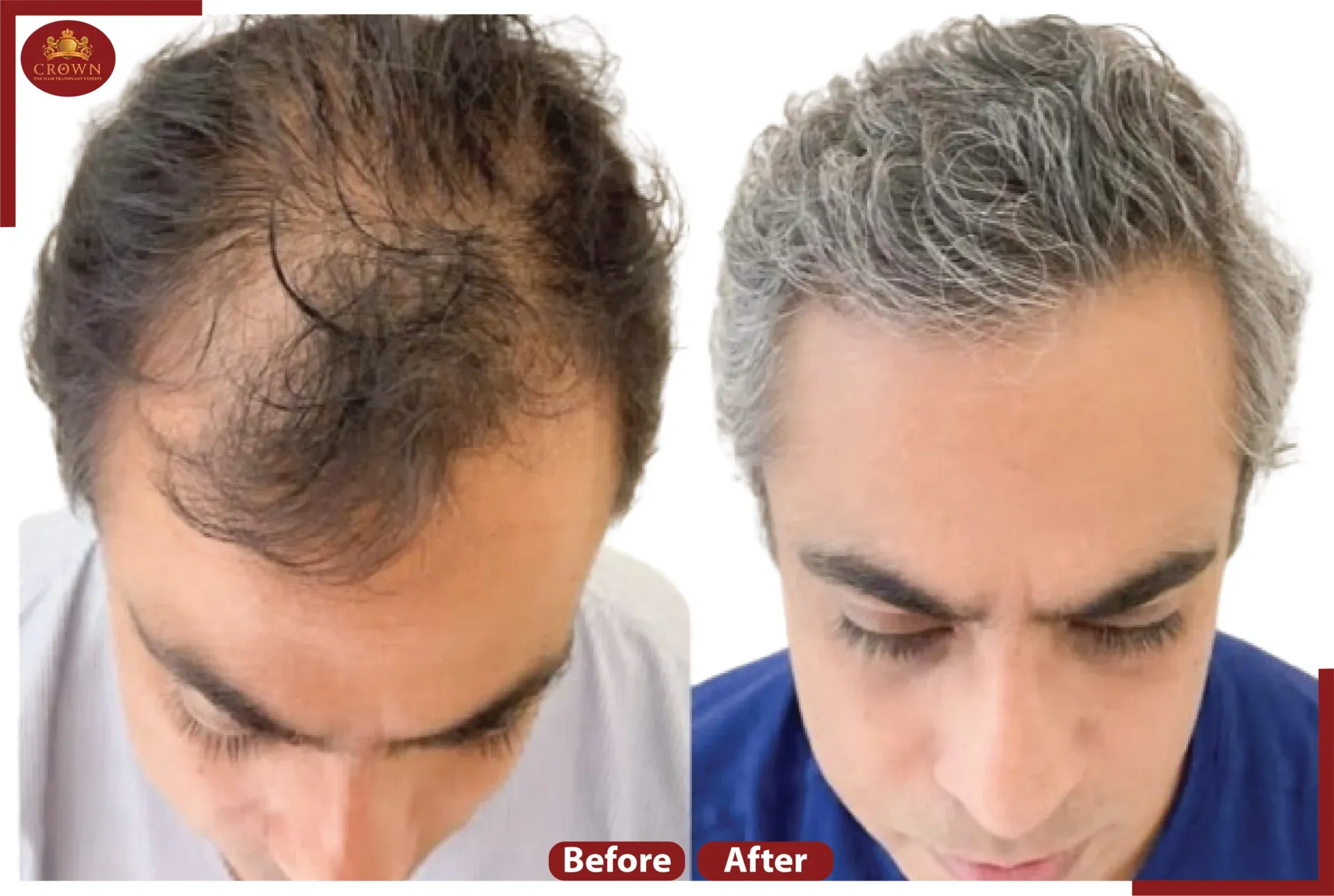
Hair loss is a common concern that can affect appearance, confidence, and quality of life. While several treatments are available to manage hair loss, a hair transplant may be an option for individuals experiencing permanent hair thinning or baldness who meet the appropriate medical criteria.
One of the most widely used hair restoration techniques is Follicular Unit Extraction (FUE). A FUE hair transplant in India allows surgeons to transplant individual follicular units from a donor area to areas affected by hair loss without removing a strip of scalp.
However, choosing the right procedure involves more than understanding the technique. Proper diagnosis, donor-area assessment, hairline planning, surgical expertise, and long-term hair-loss management all play important roles in treatment planning.
As a hair transplant surgeon at Crown – The Hair Transplant Experts, I believe patients should understand the procedure, its limitations, and the factors that influence the final outcome before making a decision.
What Is FUE Hair Transplantation?
FUE, or Follicular Unit Extraction, is a surgical hair restoration technique in which individual follicular units are extracted from a donor area, usually at the back and sides of the scalp, and transplanted into areas affected by hair loss.
Each follicular unit naturally contains one or more hair follicles. These units are carefully selected and placed according to the patient's hairline design, recipient-area requirements, and desired coverage.
FUE is commonly considered for patients with androgenetic alopecia, also known as male or female pattern hair loss, when sufficient suitable donor hair is available.
The suitability of the procedure depends on an individual's diagnosis, donor density, scalp health, medical history, and expectations.
How Does an FUE Hair Transplant Work?
An FUE hair transplant generally involves several stages.
1. Consultation and Hair-Loss Assessment
The first step is to identify the cause and pattern of hair loss. The surgeon evaluates the scalp, donor area, hair characteristics, and likely progression of hair loss.
This assessment helps determine whether surgery is appropriate and how many grafts may be required.
2. Hairline Design and Treatment Planning
The surgeon plans the recipient area based on facial proportions, age, existing hair, donor availability, and future hair-loss considerations.
A natural-looking hairline should complement the patient's features rather than simply maximise density at the front.
3. Extraction of Follicular Units
Individual follicular units are extracted from the donor area using specialised instruments. The extraction process must be carefully controlled to minimise follicular damage and avoid excessive harvesting.
4. Preparation and Implantation of Grafts
The extracted grafts are handled carefully and placed into the recipient area according to the planned hair direction, angle, distribution, and density.
The objective is to achieve a natural-looking appearance while using the available donor hair responsibly.
5. Post-Operative Instructions
After the procedure, patients receive instructions regarding scalp care, washing, sleeping positions, physical activity, and follow-up visits. Following these instructions supports recovery and helps minimise avoidable complications.
Benefits of FUE Hair Transplant in India
FUE offers several potential advantages for appropriately selected patients.
No linear strip scar: Unlike traditional FUT surgery, FUE does not require removing a strip of scalp. Small extraction scars can still occur and may become visible with very short hairstyles.
Less invasive donor harvesting: Individual follicular units are extracted rather than removing a strip of skin.
Potentially shorter initial recovery: Some patients experience a relatively straightforward early recovery, although healing varies depending on the extent of surgery and individual factors.
Flexible hairstyle options: When performed appropriately, FUE may offer greater flexibility for patients who prefer shorter hairstyles.
Natural-looking results: Careful graft selection, placement, and hairline design can produce natural-looking results.
It is important to understand that FUE is still surgery. It carries risks, including infection, scarring, bleeding, temporary swelling, and the possibility of suboptimal growth.
Who Is a Suitable Candidate for FUE Hair Transplantation?
Not everyone experiencing hair loss is an appropriate candidate for FUE.
Potential candidates may include individuals who:
-
Have permanent pattern hair loss that has been properly assessed.
-
Have sufficient suitable donor hair.
-
Are in suitable general health for surgery.
-
Understand the limitations of transplantation.
-
Have realistic expectations regarding density and coverage.
-
Are willing to follow post-operative instructions.
Patients with active scalp conditions, certain forms of diffuse hair loss, inadequate donor supply, or unstable hair-loss patterns may need additional assessment or medical management before surgery.
Younger patients should receive particular attention to future hair-loss progression because transplanted hair does not prevent surrounding native hair from thinning.
FUE Hair Transplant Cost in India
The cost of an FUE hair transplant in India varies between clinics and individual cases. There is no single price that applies to every patient.
Factors influencing the cost include:
-
Number of grafts required.
-
Complexity of the procedure.
-
Surgeon expertise and involvement.
-
Clinical facilities and standards.
-
Location of the clinic.
-
Additional treatment or follow-up requirements.
Patients should compare treatment plans carefully instead of selecting a clinic solely on the basis of the lowest advertised price.
A responsible consultation should explain the estimated graft requirement, procedure details, expected outcomes, potential risks, and total treatment cost before surgery.
FUE vs FUT: Which Technique Is Better?
FUE and FUT are both established hair transplantation techniques, but they differ in how donor follicles are obtained.
FUE involves extracting individual follicular units. FUT involves removing a strip of donor scalp and dissecting it into follicular units.
FUE may be suitable for patients who prefer to avoid a linear strip scar. FUT may be appropriate in selected cases depending on donor characteristics, treatment goals, and the surgeon's assessment.
Neither technique is universally superior. The appropriate approach depends on the patient's donor supply, hair-loss pattern, previous procedures, hairstyle preferences, and long-term treatment plan.
Recovery and Results After FUE Hair Transplant
Recovery after FUE occurs gradually. Patients may experience temporary redness, swelling, tenderness, or small scabs in the treated areas.
The transplanted hair shafts often shed during the initial weeks. This is commonly known as the hair transplant shedding phase. Shedding does not necessarily mean the transplanted follicles have been lost; new growth can develop over subsequent months.
Visible improvement generally develops gradually over several months. Many patients assess substantial progress around 6–9 months, while the final result may take approximately 12 months or longer, depending on the individual and the treated area.
Patients should follow their surgeon's instructions and attend recommended follow-up appointments.
Why Choose Crown – The Hair Transplant Experts?
At Crown – The Hair Transplant Experts, New Delhi, our approach to hair restoration centres on individual assessment and careful treatment planning.
As Dr. Mayank Singh, I believe the first priority is to understand the patient's hair-loss pattern, donor-area capacity, medical suitability, and expectations before recommending a procedure.
Our consultation approach focuses on:
-
Assessing the cause and progression of hair loss.
-
Evaluating donor-hair availability.
-
Planning a suitable hairline and recipient area.
-
Discussing the benefits and limitations of FUE and other treatment options.
-
Explaining recovery, aftercare, and realistic expectations.
The aim is to help patients make informed decisions and develop a treatment plan appropriate to their individual needs.
Frequently Asked Questions About FUE Hair Transplant in India
1. What is an FUE hair transplant?
FUE stands for Follicular Unit Extraction. It is a surgical technique in which individual follicular units are extracted from a donor area and transplanted into areas affected by hair loss.
2. How much does an FUE hair transplant cost in India?
The cost varies according to the number of grafts, case complexity, surgeon expertise, clinic facilities, and location. A personalised consultation is needed to estimate the treatment cost.
3. Is FUE hair transplantation permanent?
Transplanted follicles are generally selected from areas more resistant to androgenetic hair loss. However, existing non-transplanted hair may continue to thin, so long-term hair-loss management may still be necessary.
4. Is FUE better than FUT?
Neither technique is best for every patient. FUE avoids a linear strip scar, while FUT may be suitable in selected cases. The choice should be based on donor characteristics, treatment goals, and professional assessment.
5. How long does an FUE hair transplant take to heal?
Initial healing often takes around 7–14 days, although this varies with the procedure and the individual. Redness and other changes may persist longer. Patients should follow their surgeon's recovery instructions.
6. When will I see results after an FUE hair transplant?
New growth generally develops gradually over several months. Noticeable improvement may appear around 6–9 months, while the final outcome may take 12 months or longer.
7. Does FUE leave scars?
Yes. FUE produces small extraction scars in the donor area. These are often less noticeable than a linear FUT scar, but their visibility depends on extraction technique, healing, skin characteristics, and hairstyle length.
8. Who is eligible for an FUE hair transplant?
Eligibility depends on the cause of hair loss, donor-hair availability, scalp health, medical history, age, and expectations. A qualified surgeon should assess suitability before recommending surgery.
9. Can I return to work after an FUE hair transplant?
Some patients return to desk-based work within a few days, depending on their recovery and the nature of their job. Strenuous activity should be resumed only according to the surgeon's instructions.
10. Where can I consult an FUE hair transplant surgeon in Delhi?
You can consult Dr. Mayank Singh at Crown – The Hair Transplant Experts, Panchsheel Park, New Delhi, for an assessment of your hair loss and a discussion of suitable treatment options.
Conclusion
An FUE hair transplant in India can be a suitable option for selected individuals experiencing permanent hair loss. However, the outcome depends on more than the extraction technique alone. Correct diagnosis, responsible donor management, natural hairline design, careful graft handling, and appropriate aftercare all contribute to the treatment plan.
Before choosing a clinic, verify the surgeon's qualifications, understand the proposed procedure, and discuss realistic expectations.
Considering an FUE hair transplant in Delhi? Book a consultation with Dr. Mayank Singh at Crown – The Hair Transplant Experts to discuss your hair-loss concerns and explore an individually planned treatment approach.