Gradient Frosted Stickers: A Modern Approach to Glass Privacy and Design
51 Views
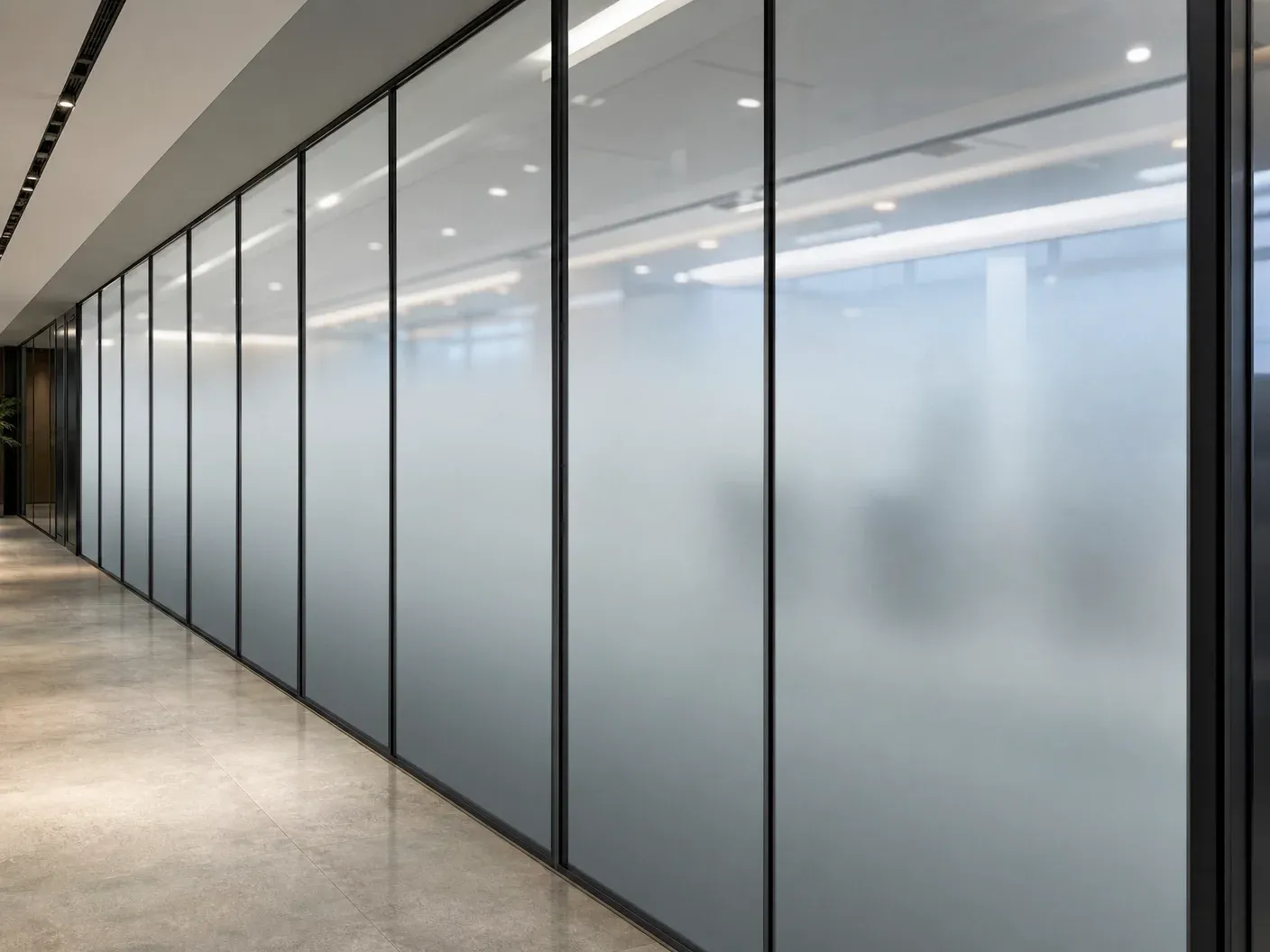
Glass partitions and windows are widely used in modern offices, retail spaces, hotels, and homes because they keep interiors bright and open. However, clear glass does not always provide the privacy or visual separation a space needs. Gradient Frosted Stickers offer an attractive way to soften transparency while adding a refined design to existing glass.
Unlike a completely frosted surface, a gradient effect gradually changes from more opaque to more transparent. This makes it possible to create privacy where it matters while keeping part of the glass visually open. The result can work particularly well in meeting rooms, office partitions, reception areas, and glass doors.
What Are Gradient Frosted Stickers?
Gradient frosted stickers are adhesive films designed with a gradual transition between frosted and clearer areas. Instead of having one consistent level of opacity across the entire panel, the design creates a smooth visual change.
For example, the lower portion of an office partition can have stronger frosting while the upper section becomes progressively clearer. This approach can provide a degree of privacy without making the entire glass panel look closed off.
The design can also be adjusted to suit different layouts, glass dimensions, and interior styles.
Why Choose a Gradient Effect for Glass?
A traditional frosted finish provides a consistent appearance, while a gradient introduces more visual depth. This makes it useful for spaces where both privacy and openness are important.
Some practical uses include:
- Providing privacy around seated or standing eye level
- Creating a softer transition between clear and frosted glass
- Adding decoration to otherwise plain glass
- Maintaining natural light through clearer sections
- Giving office partitions a more distinctive appearance
- Creating a contemporary look for reception and commercial areas
The amount of frosting can be planned according to the purpose of the glass rather than applying the same treatment everywhere.
Where Can Gradient Frosted Stickers Be Used?
Office Partitions
Open-plan offices often rely on glass to separate departments and meeting spaces. A gradient design can reduce direct views into selected areas without making the partition completely opaque.
A meeting room, for instance, may use stronger frosting around the middle of the glass, with a gradual transition toward the upper section. This can make discussions feel more private while preserving the bright appearance of the workspace.
Glass Doors
Glass doors can benefit from decorative frosting because completely clear panels may be difficult to notice when people are moving through a busy area. A carefully positioned frosted design can add visual definition while also providing some privacy.
Reception Areas
Reception spaces are often the first part of an office that visitors see. Gradient designs can add detail to glass walls or partitions without overwhelming the surrounding interior.
Retail and Commercial Spaces
Shops, salons, clinics, hotels, and other commercial interiors can use gradient glass designs for decorative purposes or to separate customer-facing areas from staff spaces.
How a Frosted Glass Sticker Differs From Gradient Frosting
A standard Frosted Glass Sticker generally provides a consistent translucent finish across the selected area. It is suitable when the main requirement is straightforward privacy or a uniform decorative appearance.
Gradient frosting takes a different approach. The opacity changes gradually, creating a transition between frosted and clear areas.
The right option depends on the space. A private office may benefit from broader uniform coverage, while a modern reception area may look better with a gradual transition.
Design Ideas for Gradient Frosting
Gradient designs do not have to look the same on every glass panel. Several approaches can be considered depending on the interior.
Bottom-to-Top Gradient
A stronger frosted section at the bottom can gradually become clearer toward the top. This is useful when privacy is more important around the lower part of the glass.
Top-to-Bottom Gradient
The reverse arrangement can create a different visual effect and may suit specific architectural layouts.
Central Gradient
Frosting can be concentrated around the centre of the glass where direct visibility is most important, with clearer areas above and below.
Branded Gradient Design
A company logo or selected graphic can be incorporated into the layout. The branding should remain readable without making the overall design too crowded.
What to Consider Before Ordering
Choosing the right gradient requires more than selecting a pattern from a sample. The glass location and surrounding environment should also be considered.
Purpose of the Glass
Start by identifying why the glass needs frosting. Is the priority privacy, decoration, branding, or visibility?
Viewing Angles
Consider how people see the glass from both sides. A design that looks balanced from one direction may appear different from another.
Interior Lighting
Natural and artificial lighting can affect how frosted film appears. A design should be considered in the actual environment whenever possible.
Glass Size
Large glass panels provide more room for gradual transitions, while smaller panels may require a simpler layout to keep the design clear.
Branding Requirements
If a logo, business name, or decorative graphic is included, make sure it works naturally with the gradient instead of competing with it.
Common Mistakes to Avoid
One mistake is choosing a gradient simply because it looks attractive without considering its purpose. If privacy is the main requirement, the frosted section should be positioned where it actually helps.
Another common problem is using too many design elements on one panel. A gradient already creates a visual transition, so adding excessive graphics may make the glass look busy.
Incorrect measurements can also create problems, particularly when several adjoining panels need to follow the same pattern. Consistent positioning is important for a professional overall appearance.
It is also worth considering the background behind the glass. Furniture, walls, lighting, and movement can change how transparent sections of the design appear.
Maintenance and Everyday Care
Frosted adhesive film should be maintained according to the material and installation guidance provided by the supplier. Glass surfaces in reception areas and entrance doors may require more frequent cleaning because they are regularly touched.
Gentle cleaning methods are generally preferable to aggressive tools or unsuitable products that could affect the film. Following the recommended care instructions can help preserve the appearance of the design.
Is Gradient Frosting Suitable for Every Glass Panel?
Not necessarily. The most suitable design depends on the purpose, size, location, and surrounding environment of the glass.
A simple frosted finish may be more practical for a small bathroom window where privacy is the only concern. A gradient design can be more appropriate for a large office partition where privacy and visual openness need to work together.
For commercial interiors, the design should also fit the existing branding and interior style rather than appearing as an isolated feature.
Final Thoughts
Gradient Frosted Stickers provide a useful design option for spaces that need a balance between privacy and openness. Their gradual transition from frosted to clear areas can make ordinary glass more visually interesting while allowing designers to control where privacy is most needed.
Whether used on office partitions, glass doors, reception areas, or commercial interiors, gradient frosting should be selected according to the purpose of the space, the glass dimensions, lighting, and surrounding design.
For anyone comparing different glass treatments, a standard Frosted Glass Sticker remains a practical choice for uniform privacy, while gradient designs offer a more decorative alternative when a softer transition is preferred.