French Cafe Dining Guide: What to Eat & Drink
33 Views
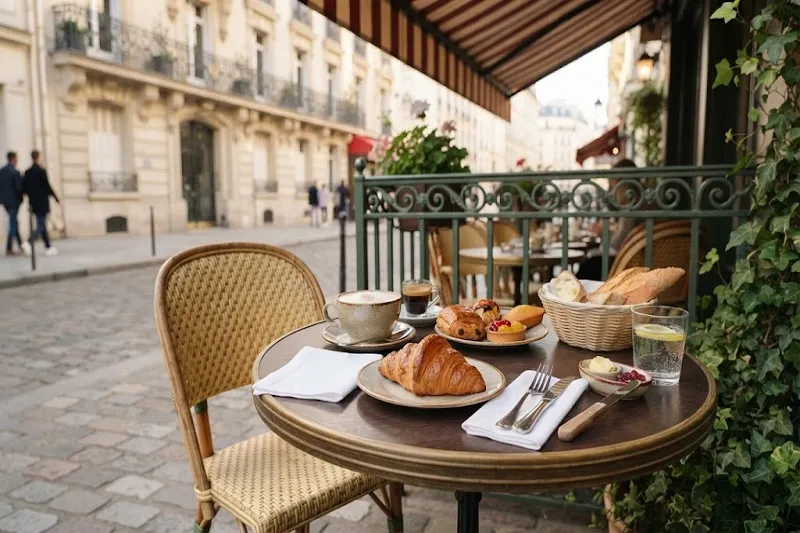
Have you ever wandered past a charming French cafe and wondered what all the fuss is about? Perhaps you've been curious about the difference between a café crème and a noisette, or why French hot chocolate tastes nothing like the powdered stuff at home? Maybe you're planning a trip to France and want to feel confident ordering like a local rather than pointing awkwardly at the menu?
French cafes hold a special place in the hearts of food lovers worldwide. They're more than just places to grab a quick coffee—they're cultural institutions where life slows down, conversations flow freely, and simple pleasures take centre stage. From flaky croissants to hearty croque monsieurs, the food and drinks on offer tell the story of a nation that takes its culinary traditions seriously.
In this guide, we'll explore everything you need to know about dining at a French cafe. You'll learn how to decode traditional menus, discover classic dishes worth trying, and pick up essential etiquette tips. Whether you're dreaming of a Parisian adventure or simply want to recreate that cafe magic at home, this guide has got you covered.
Introduction to French Cafe Culture
What Makes French Cafes So Special?
French cafes are woven into the fabric of everyday life in France. Unlike the grab-and-go coffee culture many of us know, French cafes encourage you to linger. You'll find locals settling in with a newspaper, watching the world go by, or catching up with friends over a leisurely afternoon drink.
The atmosphere is deliberately unhurried. Tables spill onto pavements, waiters move at their own pace, and nobody rushes you out the door. It's a refreshing change from the hurried pace of modern life.
The Difference Between a French Cafe and a French Bistro
While the terms are sometimes used interchangeably, there's a subtle distinction. Cafes typically focus on drinks, light bites, and pastries—think coffee, croissants, and simple sandwiches. Bistros, on the other hand, offer more substantial meals with fuller menus featuring traditional French cuisine.
That said, many establishments blur these lines. You'll often find cafes serving heartier dishes during lunch, especially in tourist areas. The key difference lies in the overall vibe: cafes are perfect for a quick stop or casual snack, while bistros are better suited for a proper sit-down meal.
Understanding the French Cafe Menu
How to Read a Traditional French Cafe Menu
French cafe menus can seem intimidating at first glance, but they follow a logical structure. You'll typically see sections for boissons (drinks), petit déjeuner (breakfast), and plats (main dishes). Many cafes also display a formule—a set menu offering better value than ordering items separately.
Prices are usually listed inclusive of tax and service, so what you see is what you pay. Don't be surprised if menus are handwritten on chalkboards or printed on simple cards. This unpretentious approach is part of the charm.
Common French Menu Terms You Should Know
A few key terms will help you navigate confidently. "Tartine" refers to an open-faced sandwich, while "formule" means a set menu deal. "Supplément" indicates an extra charge, and "maison" means house-made. Knowing these basics takes the guesswork out of ordering.
What is a Typical French Cafe Breakfast?
Forget the full cooked breakfast—French cafe mornings are all about simplicity. The classic combination is a coffee with a croissant or tartine spread with butter and jam. It's light, satisfying, and pairs beautifully with people-watching.
Classic French Cafe Food to Try
Croissants, Pain au Chocolat and Viennoiseries
No French cafe experience is complete without viennoiseries—those buttery, flaky pastries that practically melt in your mouth. Croissants should be crispy on the outside, soft and layered within. Pain au chocolat features the same glorious pastry wrapped around rich dark chocolate.
Look out for chausson aux pommes (apple turnovers) and brioche too. The key is finding a cafe that bakes fresh each morning. You'll taste the difference immediately.
Croque Monsieur vs Croque Madame: What's the Difference?
Both are essentially glorified ham and cheese toasties—but elevated to an art form. A croque monsieur features ham and Gruyère cheese between slices of bread, topped with creamy béchamel sauce and grilled until golden and bubbling.
Add a perfectly fried egg on top, and you've got a croque madame. The runny yolk creates a luscious sauce that takes the whole thing to another level. Either option makes for a satisfying lunch.
French Onion Soup and Other Hearty Favourites
When temperatures drop, French onion soup hits the spot perfectly. Slow-cooked caramelised onions swim in rich beef broth, topped with crusty bread and melted Gruyère. It's comfort food at its finest.
Other hearty options include soupe à l'oignon gratinée and various seasonal vegetable soups. Many cafes rotate their soup offerings based on what's fresh and available.
Quiche Lorraine and Savoury Tarts
Quiche Lorraine—a silky egg custard studded with bacon in a buttery pastry case—remains a cafe staple. You'll also find variations with spinach, mushrooms, or goat's cheese.
These savoury tarts are typically served at room temperature with a simple green salad. They're perfect for a light lunch that won't leave you feeling sluggish.
The Art of the French Omelette
A French omelette bears little resemblance to its thicker, browned counterparts elsewhere. It's pale, soft, and slightly creamy in the centre—almost custard-like. Classic fillings include fines herbes (fresh herbs), cheese, or mushrooms.
Mastering the French omelette takes practice, but eating one is pure pleasure. Order it with a basket of fresh bread and you've got yourself a proper meal.
French Cafe Drinks: Beyond the Basics
What Do French People Drink at Cafes?
Coffee reigns supreme during morning hours, but French cafe drinks extend far beyond espresso. Citron pressé (fresh lemonade), mint tea, and various fruit juices are popular non-alcoholic choices. Later in the day, wine and aperitifs take centre stage.
How to Order Coffee Like a Local in France
Simply asking for "un café" gets you a small, strong espresso. If that sounds too intense, you've got options. Don't assume you'll receive a large milky coffee like at home—French coffee culture operates differently.
Specify exactly what you want. "Un café allongé" gets you a longer, slightly diluted espresso. "Un décaféiné" means decaf. Being precise ensures you get exactly what you're after.
Understanding French Coffee Types: Café Crème, Noisette and More
A café crème is espresso topped with steamed milk—similar to a flat white but served in a larger cup. It's the closest thing to what Australians might consider a standard coffee.
A noisette is espresso with just a dash of milk, named for its hazelnut colour. For something stronger, try a café serré (extra-concentrated espresso). Each variation offers a different experience worth exploring.
French Hot Chocolate: Why It's Different
French hot chocolate is essentially drinking chocolate—thick, rich, and intensely chocolatey. It's made with real melted chocolate rather than cocoa powder, creating something closer to a warm chocolate pudding in a cup.
Don't expect the sweet, watery version you might make at home. This is serious chocolate for serious chocolate lovers.
Wine and Aperitifs at French Cafes
Ordering a glass of wine at a French cafe is perfectly acceptable at almost any hour. House wine (vin de la maison) offers excellent value, while classic aperitifs like Pastis, Kir, or vermouth set the tone for a relaxed afternoon.
French Cafe Etiquette and Customs
Do You Tip at French Cafes?
Service is included in French prices, so tipping isn't expected. However, leaving small change or rounding up the bill is appreciated for particularly good service. A euro or two for a coffee, or 5-10% for larger meals, is generous.
How Long Can You Stay at a French Cafe?
As long as you like, generally speaking. French cafes don't typically rush customers out. Nursing a single coffee for an hour while reading or chatting is completely acceptable. Just be mindful during peak lunch periods when tables are in high demand.
Table Service vs Counter Service: What to Expect
Most French cafes offer table service—wait to be seated, and your server will come to you. Prices at the counter (comptoir) are often cheaper than seated prices (salle or terrasse). Check the menu for price differences if you're budget-conscious.
Dietary Considerations at French Cafes
Vegetarian and Vegan Options at French Cafes
Traditional French cafe fare leans heavily on meat, dairy, and eggs. Vegetarians can usually find omelettes, cheese-based dishes, and salads. Vegans face more challenges but can often request modifications.
Gluten-Free Choices: What to Look For
Gluten-free options remain limited at traditional French cafes. Naturally gluten-free choices include plain omelettes, salads without croutons, and certain soups. Always communicate dietary requirements clearly.
Recreating the French Cafe Experience at Home
Bringing cafe vibes home is simpler than you might think. Invest in quality coffee, source proper croissants from a good bakery, and most importantly—slow down. Set the table properly, put away your phone, and savour each bite.
Final Thoughts: Embracing the French Cafe Lifestyle
French cafe dining represents something increasingly rare in our fast-paced world—the art of taking time to enjoy life's simple pleasures. From that first sip of morning coffee to a lingering afternoon aperitif, every moment invites you to be present and appreciative.
The dishes and drinks we've explored aren't complicated or pretentious. They're honest, well-made, and deeply satisfying. Whether you're biting into a perfectly flaky croissant or watching the world pass by over a café crème, the magic lies in the experience itself.
So next time you find yourself at a French cafe in Windsor—or recreating the experience at home—remember to relax. Order something delicious, settle into your seat, and embrace the unhurried rhythm. That's the true essence of French cafe culture, and it's something we could all benefit from bringing into our daily lives.