Fractional RF Microneedling: What You Need to Know Before Treatment
76 Views
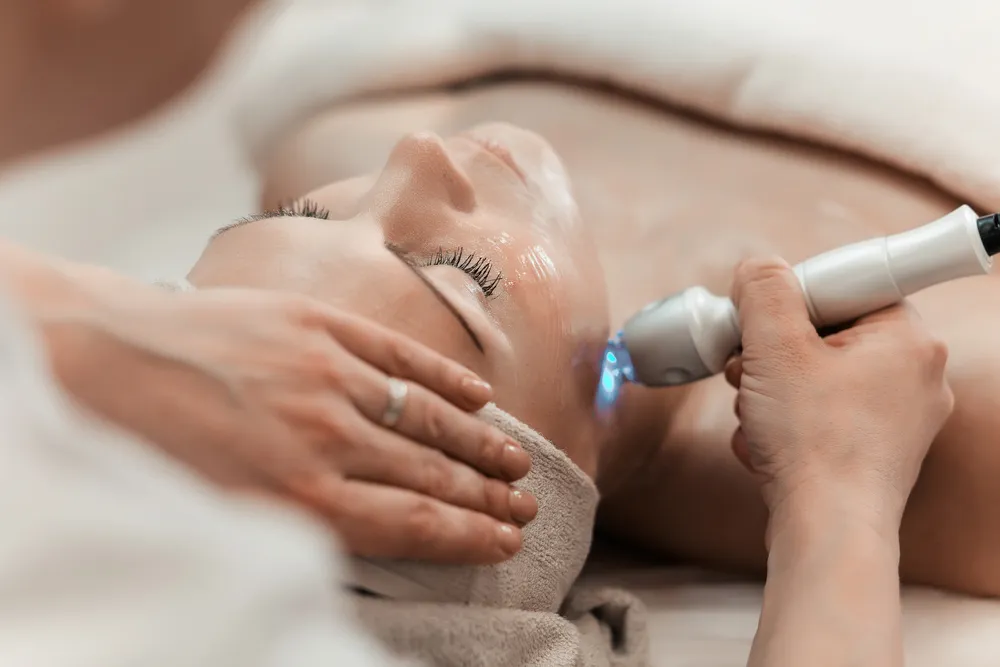
Modern skin treatments are increasingly focused on improving texture, firmness, and scars without requiring traditional surgery. Fractional RF Microneedling in Dubai has become a popular option because it combines controlled microneedling with radiofrequency (RF) energy to stimulate changes within the deeper layers of the skin. Unlike treatments that work mainly at the surface, this technology delivers RF energy into targeted areas of the dermis, supporting collagen remodeling while creating microscopic treatment zones. Research reviews have reported improvements in skin rejuvenation, acne scars, and skin laxity, although results depend on the device, treatment settings, skin condition, and individual response.
What Is Fractional RF Microneedling?
Fractional RF microneedling is a minimally invasive aesthetic procedure that combines two technologies: microneedling and radiofrequency energy. Very small needles penetrate the skin to a controlled depth, while RF energy generates heat within targeted dermal tissue.
The term “fractional” refers to treating selected microscopic areas rather than uniformly treating the entire skin surface. This approach leaves surrounding tissue relatively untreated, which can support the skin’s natural healing process and may help limit recovery time compared with more aggressive resurfacing procedures.
The RF component is particularly important because the energy is delivered below the surface. Controlled thermal stimulation can encourage dermal remodeling and neocollagenesis, meaning the formation and reorganization of collagen over time. A comprehensive review of higher-quality studies found evidence supporting RF microneedling for skin rejuvenation and acne scars, with improvements developing progressively rather than appearing instantly.
How Does RF Microneedling Work?
To understand the treatment, it helps to separate the two components.
Microneedling: Tiny needles create controlled micro-injuries at predetermined depths. These microscopic injuries activate the body's wound-healing response.
Radiofrequency energy: RF energy is delivered through or around the needles, depending on the device design. The resulting controlled heat reaches the dermal tissue and can stimulate collagen remodeling.
Together, these actions can address several aspects of skin quality. As collagen remodeling takes place, the skin may gradually appear smoother, firmer, and more even.
The process is different from simply applying heat to the skin’s surface. Treatment parameters such as needle depth, RF energy, pulse duration, and delivery technique need to be selected carefully for the area being treated. Reviews of RF microneedling emphasize that optimizing these parameters is important for both effectiveness and safety.
Because collagen production and remodeling take time, improvements are generally gradual. One review reported that dermal remodeling and neocollagenesis can continue to improve for months following treatment.
What Skin Concerns Can It Address?
One reason fractional RF microneedling attracts attention is its versatility. Clinical research has investigated the technology for several dermatological and cosmetic concerns.
Common treatment goals include:
- Acne scars: Particularly certain atrophic scars, such as boxcar and rolling scars.
- Uneven skin texture: Treatment may help create a smoother-looking surface.
- Fine lines and wrinkles: Collagen remodeling may soften the appearance of selected lines.
- Mild to moderate skin laxity: RF energy may support firmer-looking skin.
- Enlarged-looking pores: Improvements in overall texture can make pores appear less noticeable.
- Photoaged skin: Treatment can be used as part of a broader skin-rejuvenation plan.
Evidence for acne scarring is particularly notable. A 2025 systematic review examined 16 studies involving 481 patients and concluded that fractional RF microneedling was likely effective as a standalone treatment for acne scars, while also noting that additional research is needed to establish the most appropriate treatment parameters.
Research does not mean that every patient will achieve the same outcome. Scar depth, skin condition, age, lifestyle, treatment settings, and the number of sessions can all influence the final result.
What Happens During a Fractional RF Microneedling Session?
Before treatment, a qualified practitioner should assess your skin and discuss your goals, previous treatments, medications, and relevant medical history. This consultation is important because RF microneedling is a medical aesthetic procedure rather than a one-size-fits-all facial.
During the procedure, the treatment area is cleaned and prepared. A topical anesthetic may be used to improve comfort, depending on the device and treatment plan.
The RF microneedling handpiece is then applied systematically to the selected areas. The needles penetrate to the predetermined depth, and RF energy is delivered according to the selected settings.
Afterward, the skin may look red or feel warm. Temporary swelling or sensitivity can also occur. A 2026 systematic review of facial RF microneedling found that reported adverse effects were predominantly mild and temporary, with erythema and edema among the more common reactions.
The exact duration of a session varies according to the treatment area and device. Similarly, the number of recommended sessions cannot be determined accurately without evaluating the individual skin concern.
Recovery and Results: What Should You Expect?
One of the appealing features of fractional RF microneedling is that it generally does not require the prolonged recovery associated with some aggressive resurfacing procedures. However, “minimal downtime” does not mean that there is no recovery period.
Immediately after treatment, temporary redness, warmth, sensitivity, or swelling may occur. These effects usually settle progressively, but recovery differs from person to person and depends partly on treatment intensity.
During recovery, following the practitioner’s aftercare instructions is important. Protecting treated skin from unnecessary irritation and sun exposure can help support the healing process.
Results also develop gradually. Rather than producing an instant transformation, the treatment works through the body's remodeling response. As collagen changes occur, skin texture and firmness may become increasingly noticeable.
For acne scars, research suggests that multiple sessions may be used, with outcomes assessed over several weeks or months. A meta-analysis of fractional RF treatment for acne and acne scars found that at least 12 weeks of follow-up may be needed to observe the full effects in studied patients.
This gradual process is an important part of understanding Fractional RF Microneedling Treatment. The goal is generally progressive improvement rather than an overnight change.
Is Fractional RF Microneedling Safe?
RF microneedling has a substantial clinical literature, and studies have reported favorable safety profiles when appropriately performed. Research has also investigated its use across different skin types, including darker skin phototypes.
However, it is important not to assume that the procedure is risk-free.
In October 2025, the U.S. Food and Drug Administration issued a safety communication warning about serious complications reported with certain uses of RF microneedling devices. Reported complications included burns, scarring, fat loss, disfigurement, and nerve damage requiring medical or surgical intervention in some cases.
This makes practitioner expertise and appropriate device use especially important. Patients should ask which device is being used, whether it is legally authorized for the intended purpose in their location, who will perform the procedure, and how the treatment settings are selected.
The FDA also notes that specific microneedling products have been legally authorized for particular uses and body areas, meaning patients should not assume that every device has the same indications or regulatory status.
How to Prepare for RF Microneedling
Good preparation begins with an honest consultation. Tell the practitioner about relevant skin conditions, previous cosmetic procedures, medications, and products you use on your skin.
Depending on your circumstances, the practitioner may recommend temporarily avoiding certain irritating skincare products or treatments before the procedure. Do not make medication changes on your own; discuss them with the appropriate healthcare professional.
It is also useful to approach treatment with realistic expectations. RF microneedling can improve the appearance of selected skin concerns, but it does not guarantee completely smooth skin, erase every acne scar, or stop the natural aging process.
The best treatment plan should consider:
- Your primary skin concern.
- Skin type and sensitivity.
- The depth and type of acne scarring, if applicable.
- Degree of skin laxity or textural irregularity.
- Appropriate needle depth and RF settings.
- Expected recovery time.
- Whether one or multiple sessions may be appropriate.
Fractional RF Microneedling vs. Traditional Microneedling
Traditional microneedling and RF microneedling both use controlled needle penetration, but they are not identical.
Traditional microneedling primarily relies on mechanical micro-injury to stimulate the skin’s healing response. RF microneedling adds radiofrequency energy, allowing controlled thermal stimulation within the dermis.
This difference can make RF microneedling attractive for people whose goals include both texture improvement and a firmer-looking appearance. However, adding RF also means that treatment parameters become particularly important.
The choice between technologies should therefore be based on the specific skin concern rather than simply selecting the treatment with the more advanced-sounding technology.
For acne scars, comparative research suggests that treatment selection can involve trade-offs. A 2026 meta-analysis found fractional CO₂ laser treatment produced greater scar improvement in the included randomized trials, while microneedling RF had advantages in pain, post-inflammatory hyperpigmentation risk, and erythema duration.
Choosing Fractional RF Microneedling in Dubai
If you are considering Fractional RF Microneedling in Dubai, focus on the quality and safety of the treatment rather than marketing claims alone. A proper consultation should explain what the procedure can realistically accomplish for your skin.
Ask about the device being used, the practitioner’s qualifications and experience, treatment settings, expected recovery, potential complications, and whether your specific concern is suitable for RF microneedling.
It is also worth asking how results will be evaluated. Before-and-after photographs taken under consistent lighting and positioning can be more useful than generalized promises about dramatic results.
Most importantly, avoid choosing a treatment solely because it is described as “non-surgical” or “minimally invasive.” RF microneedling still involves needles and energy delivered into the skin, so appropriate medical oversight and technique matter.
Final Takeaway
Fractional RF microneedling combines controlled microneedling with radiofrequency energy to encourage collagen remodeling and improve selected concerns such as acne scars, uneven texture, fine lines, and mild skin laxity. Evidence from systematic reviews supports its potential for facial rejuvenation and scar improvement, while also emphasizing that outcomes and treatment parameters vary.
If you are considering Fractional RF Microneedling Treatment, a personalized consultation with a qualified professional is the best starting point. Understanding the technology, expected results, recovery process, and potential risks can help you make a more informed decision and choose an approach appropriate for your skin.