What Causes Foundation Cracks to Get Worse After Heavy Rain?
64 Views
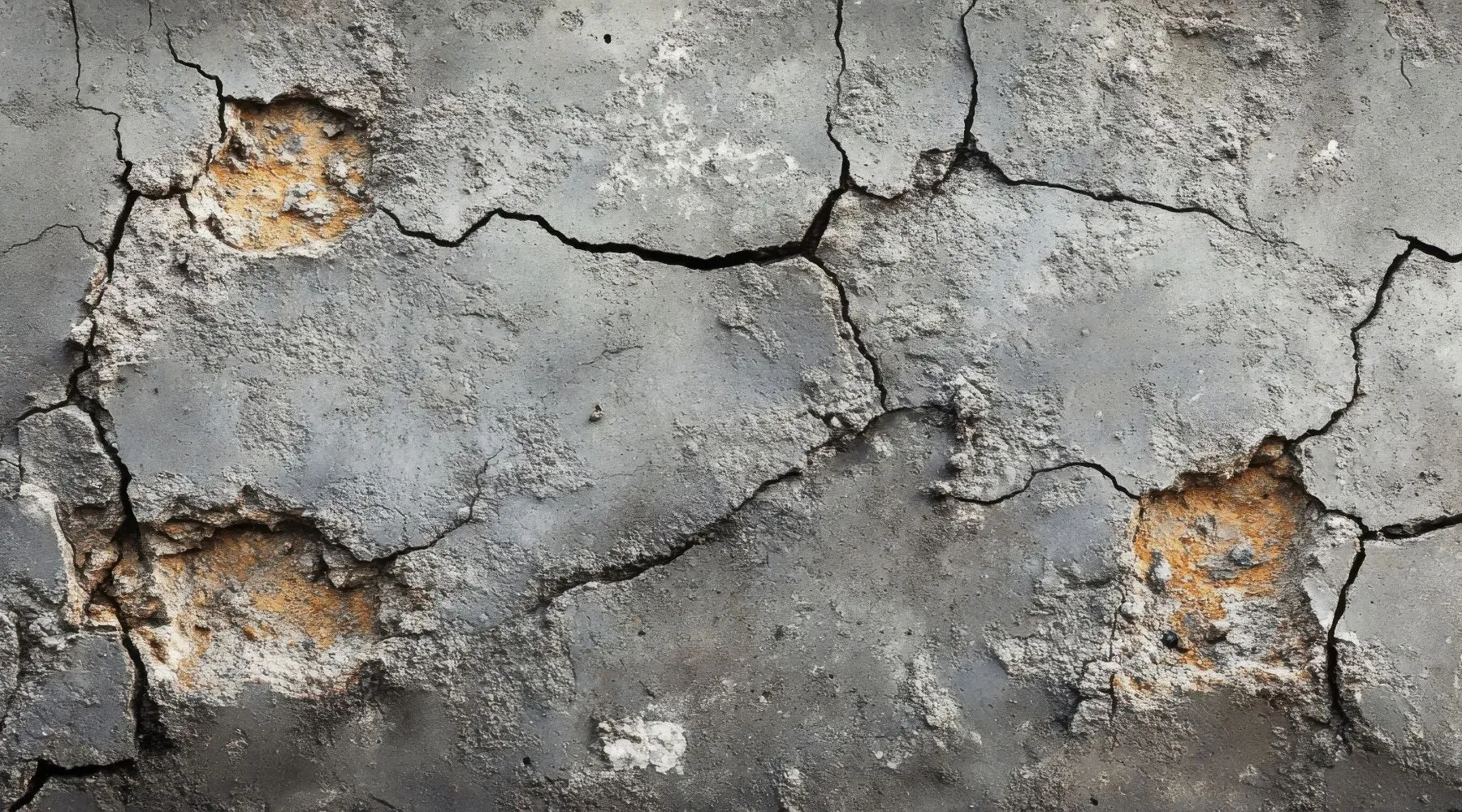
Quick Answer: Heavy rain rarely creates a foundation crack out of nowhere — it makes existing weak points worse. When soil around your home becomes saturated, it pushes against the foundation with hydrostatic pressure. That pressure, combined with the soil swelling and shrinking as it wets and dries, widens cracks, forces water inside, and can turn a hairline crack into a structural problem over a few storm seasons.
Key takeaways:
- Rain itself doesn't crack concrete — saturated, expanding soil pushing against the wall does.
- The wet/dry soil cycle (not just one storm) is what makes cracks grow over time.
- Crack width, direction, and whether it leaks tell you how serious it is.
- Vertical cracks are usually settlement-related; horizontal and stair-step cracks are more often pressure-related and more serious.
- Fixing the crack without fixing the water source (grading, drainage, hydrostatic pressure) means it will come back.
If you've noticed a crack in your foundation wall looking wider, wetter, or longer after the last big storm, you're not imagining it. This is one of the most common calls we get after a heavy rain event across Georgia and the Carolinas, and there's a clear, physical explanation for why it happens.
How Heavy Rain Actually Affects Your Foundation
Your foundation sits below grade, surrounded by soil that was disturbed and backfilled during construction. That backfill soil is looser than the undisturbed ground around it, which means it absorbs water faster than it drains it. When several inches of rain fall in a short period — common during Southeastern thunderstorms and tropical systems — that backfill soil becomes fully saturated.
Saturated soil behaves differently than dry soil in two important ways:
- It gets heavier and expands, especially if it contains clay, which is common throughout North Georgia, South Carolina, and North Carolina.
- It has nowhere to go, so the water pools against the one solid barrier in its path: your foundation wall or slab.
That's the setup. What happens next is what actually damages your foundation.
The Real Reason Cracks Get Worse After Rain: Hydrostatic Pressure
Hydrostatic pressure is the force water exerts when it's trapped against a surface with no way to drain. Picture your foundation wall as a dam holding back a slow-moving reservoir of saturated soil and groundwater. It wasn't built to be a dam — it was built to hold up your house — so when that pressure builds during and after heavy rain, the wall takes the hit.
That pressure does three things to an existing crack:
- It pushes the crack open wider at the point of least resistance.
- It forces water directly through the crack, since a crack is the easiest path into your basement or crawl space.
- It repeats with every heavy rain, so the crack rarely stays the same size — it ratchets outward a little more each time.
This is also why cracks that seemed fine for years can suddenly start leaking or visibly widening after one especially wet season. The pressure has been building gradually, and the crack finally gave way.
The Wet-Dry Soil Cycle That Keeps Widening Cracks
Hydrostatic pressure explains the push during rain, but the wet-dry cycle explains why cracks keep getting worse even between storms.
Clay-heavy soil — the dominant soil type across much of Georgia and the Carolinas — expands significantly when saturated and shrinks when it dries out. That expansion and contraction happens right against your foundation wall, over and over, season after season:
- Rain saturates the soil → soil expands → pushes against the foundation → crack widens slightly.
- Weather dries out → soil shrinks and pulls away → creates gaps and voids next to the foundation.
- The next heavy rain refills those gaps, and the pressure returns, often worse than before because the soil structure has loosened.
Over multiple wet seasons, this cycle is what turns a barely visible hairline crack into one you can see from across the room — or one that's actively letting water into your basement.
Where "Water Around the Foundation" Comes From
Not all foundation water problems start with the sky. By the time water reaches your foundation walls, it's usually coming from one or more of these sources:
- Poor grading — soil that slopes toward the house instead of away from it, so rainwater runs straight to the foundation.
- Clogged or short downspouts — dumping roof runoff within a few feet of the wall instead of directing it away.
- A high water table — common in low-lying areas and after prolonged rain, where groundwater itself rises close to the foundation.
- Failed or missing footing drains — the drainage system installed at construction either wasn't done correctly or has degraded over time.
- Soil erosion — heavy rain washing away supporting soil, which can cause uneven settling in addition to pressure-related cracking.
Identifying which of these is feeding the water around your foundation matters, because it determines whether the long-term fix is regrading, downspout extensions, a French drain, an interior drainage system, or a combination.
Types of Foundation Cracks and What They Mean
Crack Pattern
Typical Cause
Concern Level
Vertical crack (straight up and down)
Normal concrete curing/shrinkage, or settlement
Low to moderate — monitor for widening
Diagonal crack
Uneven settling on one side of the foundation
Moderate — often erosion-related
Horizontal crack
Hydrostatic pressure pushing the wall inward
High — sign of active structural pressure
Stair-step crack (in block/brick foundations)
Differential settlement or lateral pressure
High — often paired with bowing
Crack with visible bowing or bulging wall
Sustained hydrostatic pressure over time
Severe — needs prompt structural evaluation
Crack Width Guide: When to Worry
Width
What It Usually Means
Recommended Action
Under 1/8 inch, dry, not growing
Common shrinkage crack
Monitor; low urgency
1/8 inch to 1/4 inch
Beginning to show movement
Have it evaluated; consider sealing/injection
Over 1/4 inch, or actively widening
Ongoing structural movement
Schedule a professional inspection soon
Any width with active water leakage
Water is finding a direct path inside
Address promptly to prevent water damage
Horizontal or stair-step, any width
Pressure-related, potential structural risk
Priority inspection recommended
A simple way to track a crack over time: mark both ends with a pencil line and date, or take a photo next to a tape measure after every significant storm. If the mark keeps getting outpaced by the crack, it's actively moving.
Signs Your Foundation Cracks Are Getting Worse
Beyond the crack itself, watch for these related warning signs after heavy rain:
- Doors or windows that suddenly stick or won't latch properly
- New cracks in interior drywall, especially above doorframes
- Sloping or uneven floors
- Gaps forming between walls, floors, or ceiling trim
- Musty odors or visible efflorescence (white, chalky mineral deposits) around the crack
- Standing water or damp soil that lingers near the foundation days after rain has stopped
Any one of these on its own may not mean much. Several appearing together — especially right after storm season — is a strong signal to get a professional opinion.
What Happens If You Ignore Leaking Foundation Cracks
A leaking foundation crack rarely gets better on its own. Left unaddressed, it typically leads to:
- Ongoing foundation water damage — moisture that weakens concrete over time and damages anything stored in a basement or crawl space
- Mold and mildew growth, which affects indoor air quality throughout the house, not just the basement
- Wood rot in framing, subfloors, or floor joists near a damp crawl space
- Pest activity, since moist crawl spaces and basements attract termites and other pests
- Escalating repair costs, since a simple crack injection is far less expensive than repairing a bowing wall or settled foundation later
The pattern we see most often: a small, dry crack is ignored for a few years, then a particularly wet season turns it into an active leak, and by the time it's addressed, the fix has grown from a single injection to a drainage and wall stabilization project.
DIY vs. Professional Foundation Crack Repair
When a DIY approach might be reasonable:
- The crack is hairline (under 1/8 inch), vertical, dry, and has not changed in months
- It's a cosmetic concern rather than an active leak
- You're using it as a temporary measure while scheduling a professional evaluation
When you need a professional:
- The crack is leaking, widening, horizontal, or stair-step
- There's any sign of wall bowing or bulging
- You've noticed related symptoms like sticking doors or sloping floors
- A previous DIY seal has failed or the water found a new path around it
The key limitation of DIY repair is that surface sealants and hardware-store caulk address the crack's appearance, not the hydrostatic pressure or water source causing it. Water under pressure will almost always find the next weakest point.
How Professionals Actually Repair Foundation Cracks
Epoxy injection — Best for structural (non-moving) cracks that need to be bonded back together for strength. Epoxy is rigid once cured, so it's used where the goal is restoring structural integrity rather than accommodating future movement.
Polyurethane injection — Best for leaking cracks. Polyurethane expands to fill the entire crack, including hairline branches epoxy might miss, and remains flexible, which allows it to move slightly with the concrete without breaking the seal. This is the more common choice for stopping active water intrusion.
Exterior waterproofing/excavation — For cracks tied to ongoing hydrostatic pressure or drainage failure, injecting the crack alone won't solve the underlying cause. Excavating along the foundation to install a proper drainage membrane and footing drain addresses the water before it ever reaches the wall.
Interior drainage systems — When exterior excavation isn't practical, an interior perimeter drain paired with a sump pump can intercept water and relieve pressure from the inside.
Structural reinforcement — For walls already showing bowing, wall anchors, carbon fiber straps, or helical piers may be needed in addition to sealing the crack itself.
A proper inspection identifies not just how to seal the crack, but why it happened, so the repair holds through the next heavy rain rather than just the next dry spell.
What Determines Foundation Crack Repair Cost
Several factors affect pricing, which is why estimates vary so much between homes:
- Number and length of cracks needing injection
- Whether the issue is isolated or systemic (one crack vs. a foundation-wide drainage problem)
- Interior injection vs. exterior excavation — excavation costs more due to labor and equipment
- Accessibility — landscaping, hardscaping, or tight lot lines can increase labor time
- Whether structural reinforcement is needed in addition to sealing
- Drainage corrections required, such as French drains, downspout extensions, or grading work
The only way to get an accurate number is a site inspection — pricing guides online are rough ranges at best, since soil conditions and crack causes vary so much even within the same neighborhood.
Protecting Your Foundation Before and After Heavy Rain
Before storm season:
- Clean gutters and confirm downspouts extend at least 5–10 feet from the foundation
- Check that soil grading slopes away from the house
- Inspect existing cracks and photograph them as a baseline
- Confirm your sump pump (if you have one) is working, including a battery backup
After a heavy rain event:
- Walk the perimeter and look for standing water or soggy soil near the foundation
- Check basement/crawl space for new dampness, odors, or water lines
- Compare any existing cracks to your baseline photos
- Look for new interior cracks near doors, windows, and ceiling corners
- Note any doors or windows that suddenly feel harder to open or close
Consistency matters more than any single fix. Homes with well-maintained grading and drainage rarely develop the kind of runaway cracking that leads to major repairs, even in heavy clay soil.
Why This Matters More in Georgia and the Carolinas
The Piedmont region's red clay soil is particularly prone to the expansion-and-contraction cycle described above, and the Southeast's pattern of intense, short-duration downpours means foundations here take on hydrostatic pressure quickly and repeatedly through the year. Homes on hillside lots or with a history of poor original drainage tend to see this show up earliest. This regional soil and rainfall behavior is exactly what our crews have worked with for over two decades across North Georgia, Athens, Atlanta, and the surrounding Carolinas — it's a different problem than the sandy or rocky soils foundation companies deal with in other parts of the country, and the repair approach should reflect that.
Frequently Asked Questions
Does heavy rain actually cause foundation cracks?
Heavy rain rarely creates a foundation crack from nothing. It saturates the soil around your home, building hydrostatic pressure against the foundation wall. That pressure widens existing cracks and can trigger new ones where the concrete is already weak.
How do I know if my foundation crack is getting worse?
Track the width, length, and pattern over a few weeks. A crack that widens beyond 1/4 inch, grows longer, turns horizontal or stair-step, or starts leaking after rain is a sign of active movement worth a professional look.
Should I repair a foundation crack myself?
Hairline, dry cracks under 1/8 inch can sometimes be sealed temporarily with a concrete caulk. Anything wider, leaking, horizontal, or growing should be evaluated by a professional, since surface sealing doesn't address the pressure or water source behind it.
What is hydrostatic pressure and why does it matter?
Hydrostatic pressure is the force created when saturated soil has nowhere to drain and pushes against your foundation. Over repeated rain events, it widens cracks, causes bowing walls, and drives water through any opening it can find.
How much does foundation crack repair cost?
Simple injection repairs for a single crack typically run a few hundred to just over a thousand dollars. Costs rise if the crack signals a larger issue — poor drainage, soil erosion, or wall bowing — that requires excavation, drainage work, or reinforcement.