Flat Roof Repair and Maintenance Tips
By Abdus Salam
20 Views
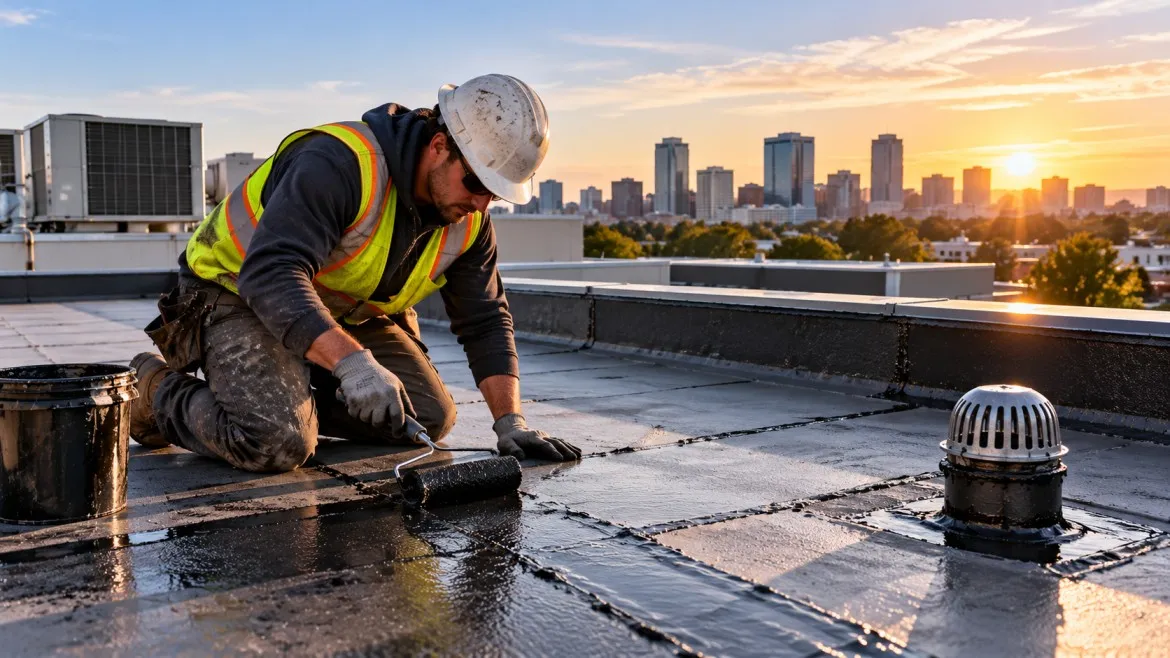
Flat roofs are a popular structural choice for commercial buildings and modern residential properties due to their space efficiency, cost-effectiveness, and ease of access for HVAC equipment or solar panels. However, despite their name, low-slope roofing systems require continuous oversight to handle environmental exposure. Unlike traditional pitched roofs that shed water rapidly using gravity, flat roofs rely on precise drainage design, high-performance membrane materials, and regular upkeep to prevent premature deterioration. Understanding the fundamentals of flat roof maintenance, inspection procedures, and common repair protocols enables building managers and homeowners to maximize system longevity and protect structural assets.
The Unique Dynamics of Low-Slope Roofing Systems
Low-slope or flat roofing structures present distinct physical characteristics that influence how they age and fail over time. Understanding these underlying operational principles helps property owners detect issues before minor vulnerabilities progress into costly structural water damage.
Moisture Accumulation and Drainage
Water management is the primary challenge for any flat roof. These systems are designed with a subtle slope, usually between one-quarter and one-half inch per foot, to direct precipitation toward interior drains, scuppers, or perimeter gutters. When drains become clogged by leaves, silt, or windblown debris, water accumulates into standing pools. Standing water left on a membrane for more than 48 hours exerts heavy hydrostatic pressure, accelerating material degradation and searching out minor seam failures.
Thermal Expansion and Contraction
Roofing membranes experience constant temperature fluctuations. During peak summer conditions, roof surfaces expand, while rapid cooling during rainfall or nighttime temperatures causes sudden contraction. This continuous expansion and contraction cycle creates thermal stress on seams, flashings, and mechanical fasteners, eventually causing material fatigue or membrane pulling away from parapet walls.
Environmental Degradation and Foot Traffic
Ultraviolet radiation breaks down organic compounds within asphalt and synthetic rubber over time, leading to membrane brittleness, cracking, or surface chalking. Additionally, low-slope roofs often house mechanical infrastructure, resulting in maintenance personnel walking across the surface. Unprotected foot traffic can cause punctures, tear membrane surfaces, or compress insulation boards beneath the outer layer.
Essential Preventive Maintenance Practices
Implementing a structured preventative maintenance schedule is the most effective approach to extending a low-slope roof's service life. Routine care identifies minor defects early, preserving the integrity of the weatherproofing layer.
Routine Drainage System Clearing
Drains, scuppers, and gutters should be inspected and cleared at least twice a year, as well as immediately following major storms. Debris accumulation restricts water flow, forcing water back onto the roof deck. Installing strainers over drain openings prevents large debris from choking internal plumbing while ensuring uninterrupted drainage.
Surface and Membrane Inspections
Semi-annual inspections, ideally conducted during spring and autumn, allow property managers to evaluate surface conditions thoroughly. Key inspection checkpoints include:
- Membrane Seams: Inspecting heat-welded or adhesive-bonded seams for lifting, gaps, or physical separation.
- Flashing Integrity: Checking edge metals, wall terminations, and pipe boots for cracked sealant, rusting metal, or loose fasteners.
- Surface Condition: Looking for blisters, ridges, punctures, or open splits across single-ply membranes or asphaltic cap sheets.
- Granule Retention: On modified bitumen or built-up systems, checking for loss of mineral granules, which leaves the protective membrane exposed to UV exposure.
Managing Surrounding Vegetation
Trees extending over a building pose multiple risks to flat roofing systems. Overhanging branches drop leaves, twigs, and sap, which clog drainage assemblies and harbor moisture. In high winds, branches can scrape against the surface or snap, puncturing the roof membrane. Regular trimming maintains a clear clearance envelope above the structure.
Identifying Common Flat Roof Defects and Repair Approaches
Different low-slope materials require tailored repair methodologies. Identifying the precise material type, such as Thermoplastic Polyolefin (TPO), Ethylene Propylene Diene Monomer (EPDM), Polyvinyl Chloride (PVC), or Modified Bitumen, ensures compatible repair solutions.
| Flat Roof Material | Primary Vulnerabilities | Common Repair Method |
|---|---|---|
| TPO & PVC (Single-Ply) | Seam failure, mechanical punctures, shrinkage | Hot-air welded membrane patches using identical polymer material |
| EPDM (Rubber) | Adhesive breakdown at seams, shrinkage, oil contamination | EPDM patch bonded with specialized primer and rubber-compatible adhesive/tape |
| Modified Bitumen | Granule loss, blisters, seam voids | Torch-applied or cold-adhesive cap sheet patch and asphaltic mastic sealant |
| Built-Up Roof (BUR) | Surface cracking (alligatoring), gravel displacement, leaks | Cold-process asphalt mastic application reinforced with woven fiberglass mesh |
Addressing Blisters and Ridges
Blisters form when air or moisture becomes trapped beneath the membrane layers. As temperatures rise, trapped vapor expands, lifting the surface. Small, unbroken blisters may simply require monitoring. However, if a blister cracks or crosses a seam, it must be carefully cut open, dried out, and sealed with a compatible material patch extending several inches beyond the damaged boundary.
Flashing and Penetration Seals
The majority of roof leaks do not occur in the open field of the membrane, but at penetrations such as HVAC units, vent pipes, skylights, and parapet walls. Seals around these junctions naturally degrade faster than the surrounding membrane. Re-securing loose counter-flashings and applying polyurethane or silicone sealants around penetration collars restores water tightness at critical joints.
For building managers evaluating recurring leaks, extensive seam separation, or aged membranes reaching the end of their operational lifespan, scheduling professionalflat roofing services ensures accurate moisture detection, structural deck evaluation, and code-compliant system restoration.
Seasonal Care and Storm Preparedness
Seasonal shifts introduce unique hazards that require specific maintenance protocols to avoid severe structural stress.
Winter and Freezing Conditions
In colder climates, freeze-thaw cycles present a distinct threat to low-slope systems. Water trapped in small cracks or beneath open seams expands as it freezes, widening gaps and forcing membrane layers apart. Before freezing temperatures arrive, all seams and flashings must be fully secured. Snow accumulation should be monitored closely; if heavy snow loads accumulate, it must be removed using plastic shovels or rakes to prevent structural overloading, leaving a thin snow layer intact to avoid gouging the membrane.
Spring and Summer Heat Management
Summer heat accelerates the degradation of organic binders within roofing substrates. Applying reflective elastomeric or silicone roof coatings over aging, structurally sound flat roofs can significantly reduce surface temperatures, lower thermal expansion stresses, and enhance interior energy efficiency.
Establishing a Proactive Roof Management Strategy
Relying solely on reactive repairs after a leak appears inside a building inevitably leads to higher repair costs, interior property damage, and potential operational downtime. A proactive approach combines routine cleanings, detailed semi-annual inspections, and prompt repairs of minor surface imperfections. By understanding the mechanical behavior of low-slope assemblies and addressing vulnerabilities systematically, property owners safeguard their building infrastructure and extend the operational life of their roofing investment.
Related Reading
Expert Insights: Navigating the Complex World of Home Improvement
Welcome to our in-depth exploration of Home Improvement. In an era defined by ra...
Why Home Improvement is Transforming the Global Industry Landscape
Welcome to our in-depth exploration of Home Improvement. In an era defined by ra...