Fire Damage vs Smoke Damage: What Atlanta Homeowners Need to Know
56 Views
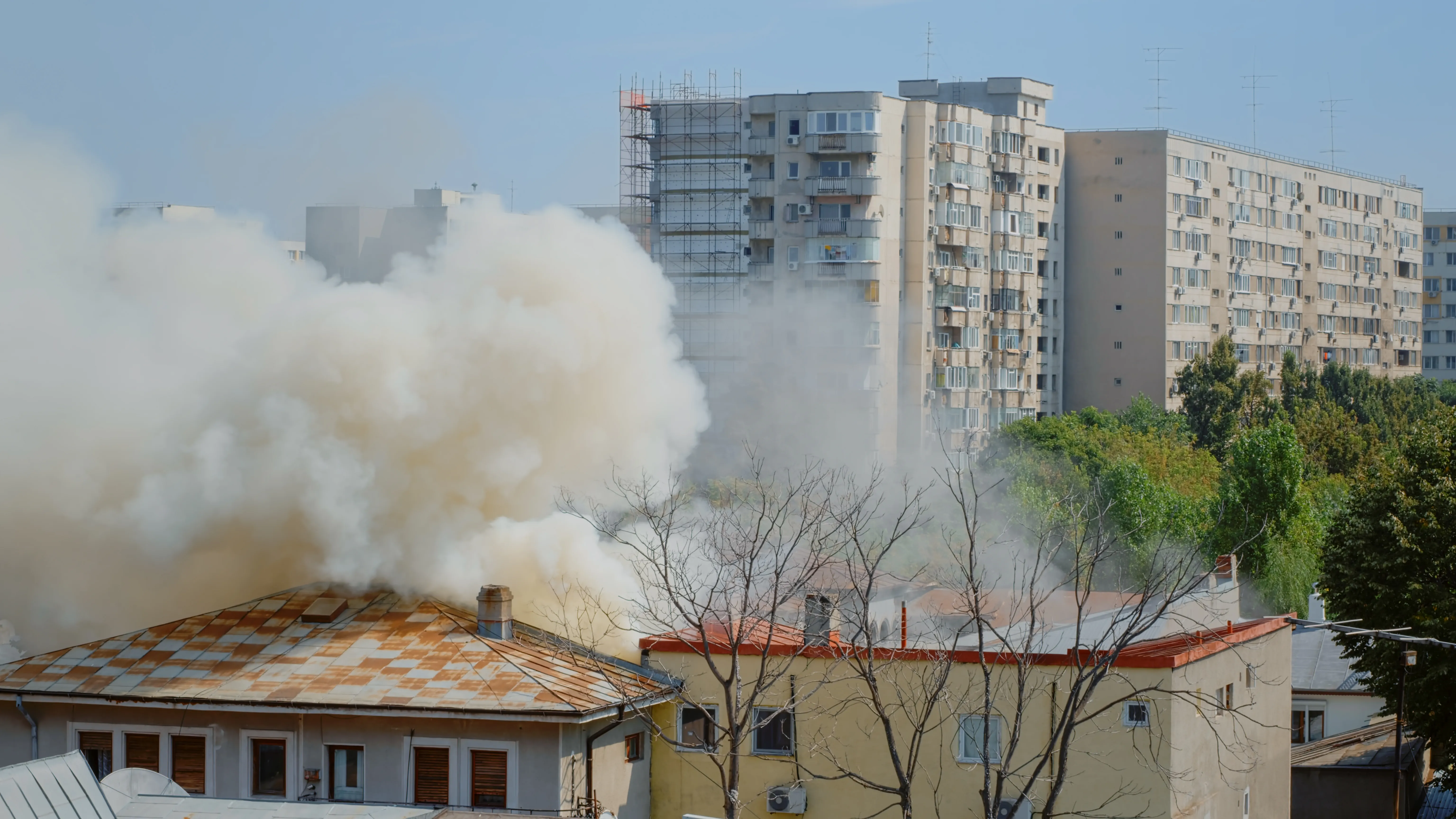
A house fire can leave behind much more than burned walls and belongings. Fire damage and smoke damage are different problems, and both can continue affecting an Atlanta home long after the flames have been extinguished.
Fire damage is the direct destruction caused by flames and extreme heat. Smoke damage comes from the smoke, soot, and combustion residues that travel through the property and settle on surfaces, belongings, and areas far beyond where the fire started.
The difference matters because fire damage and smoke damage require different inspection, cleaning, restoration, and repair methods. A room that looks untouched by flames may still have significant smoke contamination, while a visibly damaged area may also have hidden structural or water damage from firefighting.
Quick Answer: What Is the Difference Between Fire Damage and Smoke Damage?
Fire damage is the physical destruction caused directly by flames and extreme heat. It can burn or weaken walls, ceilings, framing, flooring, roofing, electrical components, appliances, furniture, and personal belongings.
Smoke damage is the contamination caused by smoke and soot. Smoke can travel through doors, wall cavities, ceilings, ductwork, HVAC systems, and other pathways, leaving odors and residues on surfaces and belongings that the flames never touched.
In many Atlanta house fires, both types occur at the same time.
There can also be a third category that homeowners should not overlook: water damage caused by firefighting efforts. Water used to extinguish a fire can soak drywall, flooring, insulation, framing, furniture, and personal belongings.
That means a complete fire damage restoration assessment should look at fire, smoke, soot, and water damage together rather than treating the burned area as the entire problem.
Fire Damage vs. Smoke Damage at a Glance
Damage Type
Main Cause
What It Can Affect
Typical Restoration Need
Fire damage
Flames and extreme heat
Structure, walls, roof, flooring, contents
Cleanup, stabilization, repair or reconstruction
Smoke damage
Smoke particles and combustion residues
Walls, ceilings, furniture, clothing, electronics, HVAC
Cleaning, deodorization, contents restoration
Soot damage
Smoke residue settling on surfaces
Walls, ceilings, cabinets, appliances, belongings
Specialized soot removal
Water damage
Firefighting water and suppression systems
Drywall, flooring, framing, insulation, contents
Water extraction and structural drying
Odor damage
Smoke compounds absorbed into materials
Fabrics, furniture, drywall, insulation, HVAC
Professional deodorization
Understanding these categories helps Atlanta homeowners recognize why simply cleaning the visibly burned room may not be enough.
What Is Fire Damage?
Fire damage is the destruction caused directly by combustion, flames, and extreme heat.
Depending on the size and location of the fire, it can affect:
- Structural framing
- Load-bearing walls
- Roof components
- Ceilings
- Flooring
- Doors and windows
- Electrical systems
- Plumbing components
- Cabinets
- Appliances
- Furniture
- Personal belongings
The severity of fire damage can vary dramatically.
A small kitchen fire may damage cabinets, appliances, walls, and ceilings around the origin point. A larger fire can compromise structural components throughout multiple areas of a home.
Fire Damage Can Be Visible and Hidden
One of the biggest mistakes homeowners make is assuming that visible damage tells the entire story.
Fire can weaken structural materials without completely consuming them. Heat may also affect electrical wiring, plumbing, framing, insulation, roofing components, and other systems.
For that reason, homeowners should avoid entering or attempting to repair significantly fire-damaged areas until the property has been evaluated by appropriate professionals.
Structural Fire Damage
Structural damage is one of the most serious consequences of a house fire.
High temperatures can weaken or destroy:
- Wall framing
- Roof supports
- Floor joists
- Load-bearing walls
- Ceiling structures
- Stair components
- Doors and windows
- Other structural connections
If a fire has affected structural components, restoration may involve stabilization, removal of damaged materials, repair, reconstruction, and finishing work.
FireMaster provides structural repair services in Atlanta for properties affected by fire and other causes of structural damage, including framing repair, load-bearing wall repair, structural stabilization, and reconstruction.
What Is Smoke Damage?
Smoke damage occurs when smoke and combustion byproducts move through a property and settle on surfaces or become absorbed into materials.
Unlike fire damage, smoke damage does not stay where the flames were.
Smoke can travel through:
- HVAC systems
- Air returns
- Wall cavities
- Ceiling spaces
- Doorways
- Electrical openings
- Plumbing penetrations
- Attics
- Closets
- Cabinets
This is why a bedroom on the opposite side of the house can have smoke damage even when the fire started in the kitchen.
Smoke Damage Can Affect Areas That Look Normal
A room does not need to contain visible soot to have smoke contamination.
Smoke residue can settle on:
- Painted walls
- Ceilings
- Trim
- Cabinets
- Flooring
- Furniture
- Curtains
- Clothing
- Electronics
- Documents
- Artwork
- HVAC components
Some contamination may be visible immediately. Other contamination may only become apparent through odor, discoloration, residue, or professional inspection.
Why Smoke Damage Can Be More Widespread Than Fire Damage
This is one of the most important concepts Atlanta homeowners should understand.
Fire is often concentrated around the areas where combustion occurred. Smoke can spread much farther.
For example, imagine a kitchen fire in an Atlanta home.
The flames may primarily damage:
- Kitchen cabinets
- A section of drywall
- Appliances
- Flooring
- Ceiling materials
But smoke may travel into:
- Living rooms
- Bedrooms
- Hallways
- Closets
- Attics
- HVAC ducts
- Furniture
- Clothing
- Electronics
The result is a property where the visible fire damage may occupy a relatively small area while smoke contamination affects much more of the home.
This is why professional restoration begins with an assessment rather than simply cleaning the room where the fire started.
Fire Damage, Smoke Damage and Soot: What's the Difference?
These terms are sometimes used interchangeably, but they describe different aspects of a fire loss.
Fire Damage
Fire damage is the physical destruction caused by flames and heat.
Examples include:
- Burned walls
- Charred framing
- Melted materials
- Burned flooring
- Destroyed furniture
- Roof damage
Smoke Damage
Smoke damage refers to contamination caused by smoke and combustion byproducts.
Examples include:
- Smoke odor
- Smoke residue
- Contaminated fabrics
- Smoke inside HVAC systems
- Smoke inside wall cavities
- Odor absorbed into porous materials
Soot Damage
Soot is the residue left behind after combustion.
It can appear as:
- Black deposits
- Gray residue
- Sticky film
- Powdery particles
- Yellow or brown discoloration
The characteristics of soot depend on what burned and how the fire developed.
What Happens to Your Home After a Fire?
A fire loss often creates several problems at once.
1. Direct Fire Damage
Flames and heat may destroy or weaken structural materials and belongings.
2. Smoke and Soot Contamination
Smoke spreads beyond the fire's point of origin and leaves residue throughout the property.
3. Water Damage
Firefighters use water and other suppression methods to control the fire. That water can create additional damage to floors, walls, ceilings, furniture, and structural materials.
4. Odor
Smoke odor can become absorbed into porous materials and may remain even after visible soot has been removed.
5. Contents Damage
Furniture, clothing, electronics, documents, artwork, and other belongings may be affected by fire, smoke, soot, water, or a combination of these.
6. Structural Damage
Fire and heat may compromise framing, walls, roof systems, floors, and other structural components.
A complete restoration plan needs to address all applicable categories rather than focusing only on burned materials.
How Fire Damage Restoration Differs From Smoke Damage Restoration
The restoration process depends on what happened to the property.
Fire Damage Restoration
Fire restoration may involve:
- Emergency inspection
- Property stabilization
- Board-up or temporary protection
- Removal of severely burned materials
- Structural assessment
- Soot and smoke cleaning
- Water extraction and drying
- Contents restoration
- Structural repairs
- Reconstruction and finishing
The exact process depends on the severity and location of the fire.
Smoke Damage Restoration
Smoke restoration focuses more heavily on:
- Identifying smoke contamination
- Removing soot residue
- Cleaning affected surfaces
- Cleaning salvageable belongings
- Removing smoke odors
- Evaluating HVAC contamination
- Treating porous materials
- Deodorizing affected areas
- Restoring contents
Smoke damage restoration can be extensive even when the fire itself was relatively small.
Why Firefighting Water Matters After a House Fire
A common mistake is to focus exclusively on fire and smoke damage.
However, water used during firefighting can cause additional problems.
Water can penetrate:
- Drywall
- Flooring
- Subfloors
- Insulation
- Wood framing
- Cabinets
- Furniture
- Personal belongings
If moisture remains trapped inside a property, it can contribute to secondary damage.
That is why a post-fire inspection should evaluate both fire damage and water damage.
In some cases, water extraction and structural drying need to begin quickly to reduce the possibility of additional deterioration.
How Smoke Damage Affects Different Parts of an Atlanta Home
Smoke contamination does not affect every material in the same way.
Walls and Ceilings
Soot can leave stains and residues on painted surfaces.
Aggressive DIY cleaning can sometimes spread the residue or damage the underlying finish.
Flooring
Smoke can affect carpet, rugs, hardwood, laminate, tile grout, and subflooring.
Water from firefighting can create a separate flooring problem.
Furniture
Upholstered furniture can absorb smoke odor and particles deep into fabric and padding.
Some furniture may be restored while severely contaminated or heat-damaged pieces may require replacement.
Clothing
Smoke odor and soot can become embedded in fabrics.
Some clothing can be professionally cleaned and deodorized, while heavily burned or permanently damaged garments may not be salvageable.
Electronics
Smoke particles can enter electronic equipment through ventilation openings.
Heat, soot, moisture, and corrosion can create problems that aren't visible from the outside.
Smoke-damaged electronics should be professionally evaluated before being powered on.
Documents and Photographs
Important papers, photographs, books, and other documents may be affected by smoke, soot, heat, and water.
Some can be restored depending on the severity and material.
FireMaster's contents restoration approach includes evaluating and protecting items such as documents, electronics, furniture, artwork, clothing, and household belongings.
What About HVAC Systems After Smoke Damage?
Your HVAC system deserves special attention after a fire.
If smoke enters the heating or cooling system, operating the system can potentially redistribute contaminated particles and odors throughout the property.
A professional assessment should determine whether:
- Air ducts were contaminated
- Filters need replacement
- HVAC components require cleaning
- Smoke entered return-air pathways
- Additional containment is necessary
This is an area where many homeowners underestimate the extent of smoke migration.
For more information, homeowners can also review our guide on replacing an air filter after smoke damage.
Can Smoke Damage Be Removed?
In many cases, yes.
However, removing smoke damage is more complicated than wiping visible soot from a wall.
Professional restoration may involve specialized cleaning methods selected according to:
- Smoke type
- Surface material
- Amount of contamination
- Age of the residue
- Odor severity
- Heat exposure
- Water exposure
The goal is not simply to make a room look clean.
The goal is to remove or treat contamination and restore affected materials as safely and effectively as possible.
Homeowners dealing with persistent smoke odors can learn more about professional odor removal and why smoke odor can remain after a fire.
Can Fire-Damaged Belongings Be Saved?
Sometimes.
Not every smoke- or fire-damaged item needs to be thrown away.
Professionals may evaluate:
- Furniture
- Electronics
- Clothing
- Documents
- Artwork
- Photographs
- Jewelry
- Household goods
- Office equipment
The decision depends on the item's material, the severity of the damage, smoke exposure, heat exposure, water exposure, and the feasibility of restoration.
FireMaster's Atlanta contents pack-out service includes inventory, documentation, packing, transportation, smoke and soot cleaning, restoration, secure storage, and return/reinstallation of salvageable belongings.
For more information, see our guide on what to throw away after smoke damage before disposing of potentially salvageable belongings.
Don't Throw Away Everything After a Fire
One of the most expensive mistakes homeowners can make is immediately throwing away every item that smells like smoke or appears dirty.
Some belongings may be restorable.
Before disposal:
- Photograph the item.
- Document the damage.
- Record important details such as brand and model.
- Keep receipts or proof of purchase when available.
- Ask your insurance provider about documentation requirements.
- Have valuable or potentially restorable items evaluated.
FireMaster's contents pack-out service provides detailed inventory and documentation to help track belongings throughout the restoration process.
Fire Damage vs. Smoke Damage: Which Is More Expensive?
There is no single price that applies to every fire loss.
The cost depends on factors such as:
- Size of the affected area
- Fire intensity
- Structural damage
- Smoke contamination
- Water damage
- Number of affected rooms
- Contents damage
- Required demolition
- Reconstruction requirements
- Odor treatment
- Type of materials affected
A small fire with extensive smoke contamination can require significant restoration even when only one room was directly burned.
Likewise, a major structural fire may require extensive demolition and reconstruction.
A professional inspection is more useful than relying on a generic online price because every property has a different combination of fire, smoke, water, and structural damage.
Does Homeowners Insurance Cover Fire and Smoke Damage?
Coverage depends on the specific homeowners insurance policy and the cause of the loss.
A covered fire may involve multiple categories of damage, including:
- Building damage
- Smoke damage
- Soot damage
- Contents damage
- Water damage caused by firefighting
- Certain temporary living expenses
However, homeowners should not assume every expense is automatically covered.
Review your policy and communicate with your insurance carrier after a fire.
Document Before You Dispose
Keep detailed records of:
- Damaged rooms
- Damaged belongings
- Photographs
- Videos
- Receipts
- Repair estimates
- Emergency expenses
- Temporary accommodations
- Contents inventories
Professional restoration companies can also help document damage for the claim process.
FireMaster's Atlanta contents service includes detailed inventory tracking and insurance documentation support.
Homeowners who need assistance navigating the claim process can also review the company's insurance claim assistance service.
What Should Atlanta Homeowners Do After Fire and Smoke Damage?
If your Atlanta home has experienced a fire, prioritize safety first.
Step 1: Follow Fire Department Instructions
Do not assume a property is safe to enter simply because the flames are out.
Step 2: Avoid Touching Damaged Areas
Structural components, electrical systems, and other hazards may not be obvious.
Step 3: Do Not Turn On Potentially Damaged Electronics
Smoke, heat, and water can affect internal components.
Step 4: Avoid Aggressive DIY Soot Cleaning
The wrong cleaning technique can spread soot or damage surfaces.
Step 5: Document the Damage
Take photographs and videos of rooms and belongings before major cleanup or disposal.
Step 6: Contact Your Insurance Provider
Ask about your coverage, documentation requirements, and claim process.
Step 7: Arrange a Professional Restoration Assessment
A qualified restoration team can evaluate fire, smoke, soot, water, contents, and structural damage.
Step 8: Protect Salvageable Belongings
Contents that can be restored may need to be removed, documented, cleaned, and stored while structural restoration takes place.
For immediate post-fire guidance, see what to do immediately after a house fire.
Fire Damage vs. Smoke Damage: Common Mistakes to Avoid
Mistake 1: Only Cleaning the Room Where the Fire Started
Smoke can spread far beyond the fire's origin.
Mistake 2: Assuming No Visible Soot Means No Smoke Damage
Smoke contamination can be difficult to see.
Mistake 3: Turning on the HVAC System
If the system is contaminated, operation may redistribute particles and odors.
Mistake 4: Throwing Away Valuable Belongings
Some furniture, documents, electronics, clothing, and other items may be restorable.
Mistake 5: Cleaning Soot With Ordinary Household Products
Improper cleaning can make some residues harder to remove.
Mistake 6: Ignoring Water Damage
Fire suppression can create substantial moisture problems.
Mistake 7: Starting Repairs Before the Property Is Fully Assessed
Reconstruction should follow an appropriate damage assessment and restoration plan.
Why Fast Action Matters After a Fire in Atlanta
The restoration process should begin as soon as it is safe to do so.
Smoke and soot can continue affecting materials after the fire is extinguished. Water can also remain trapped in building materials after firefighting.
Early professional assessment can help identify:
- Hidden smoke contamination
- Structural damage
- Moisture
- Contents that may be salvageable
- HVAC contamination
- Areas requiring specialized cleaning
- Materials that may require removal
The sooner the full scope of damage is understood, the easier it is to create an organized restoration plan.
Why Atlanta Homeowners Need a Complete Restoration Approach
A fire loss is rarely just a “burned wall” problem.
For an Atlanta homeowner, the actual restoration may involve:
Fire + Smoke + Soot + Water + Odor + Contents + Structural Damage
Treating only one category can leave other problems unresolved.
For example:
- Cleaning soot without addressing hidden smoke contamination may leave odors behind.
- Rebuilding before moisture is addressed can create additional problems.
- Replacing everything without evaluating salvageable contents can increase costs.
- Cleaning visible surfaces without checking HVAC pathways can leave smoke circulating.
- Repairing walls without evaluating structural damage can overlook safety concerns.
A complete restoration strategy considers the entire property.
FireMaster Restorations: Atlanta Fire and Smoke Damage Recovery
When a property experiences fire damage, homeowners often have to coordinate multiple parts of the recovery process at once.
FireMaster Restorations provides Atlanta-area restoration solutions designed to help property owners move from emergency response toward cleanup, repair, and restoration.
Our services include support for structural repairs, contents pack-out and restoration, smoke and soot cleaning, property protection, and related restoration needs.
Our contents pack-out service can document, pack, transport, clean, restore, store, and return salvageable belongings while restoration work is underway.
Our structural repair services address damaged framing, load-bearing walls, structural components, stabilization, repair, and reconstruction.
FireMaster serves Metro Atlanta communities including Decatur, Chamblee, Brookhaven, Midtown Atlanta, Buckhead, East Point, College Park, Druid Hills, and Hapeville, according to the company's service-area information.
If your property has experienced fire or smoke damage, a professional assessment can help determine what needs to be cleaned, restored, repaired, or replaced.
Frequently Asked Questions
Is fire damage the same as smoke damage?
No. Fire damage is direct destruction caused by flames and heat. Smoke damage is contamination caused by smoke and combustion residues. Both can occur during the same fire and require different restoration methods.
Can smoke damage occur without major fire damage?
Yes. A relatively small fire can produce smoke that spreads throughout a home, contaminating rooms and belongings that were not directly affected by flames.
Which is worse: fire damage or smoke damage?
Neither should automatically be considered worse. Fire damage can cause severe structural destruction, while smoke damage can spread throughout a much larger portion of a property. The severity depends on the fire and the materials affected.
Can smoke damage spread through an HVAC system?
Yes. Smoke particles can enter HVAC pathways and potentially spread contamination and odor through a property. HVAC systems should be evaluated after significant smoke exposure.
Can smoke-damaged furniture be restored?
Some furniture can be professionally cleaned and deodorized, depending on its material and the severity of smoke, heat, and water exposure.
Can electronics damaged by smoke be saved?
Some electronics may be restorable, but they should be professionally evaluated before being powered on. Smoke, soot, heat, and moisture can cause hidden internal damage.
Does firefighting water cause additional damage?
Yes. Water used to extinguish a fire can affect drywall, flooring, insulation, framing, furniture, and other belongings. Water damage should be assessed as part of the overall fire restoration process.
Should I clean smoke damage myself?
Minor surface residue may appear easy to clean, but significant smoke and soot contamination can require specialized methods. Incorrect cleaning can spread residue or damage materials.
Should I throw away smoke-damaged belongings?
Not necessarily. Some items can be restored. Document damaged belongings and have valuable or potentially salvageable items evaluated before disposal.
How quickly should I contact a fire restoration company?
As soon as the property is safe to address. Prompt assessment can help identify hidden damage, protect salvageable belongings, address moisture, and prevent additional deterioration.
Does FireMaster Restorations serve areas outside Atlanta?
Yes. FireMaster's current service-area information includes multiple Metro Atlanta communities, including Decatur, Chamblee, Brookhaven, Midtown Atlanta, Buckhead, East Point, College Park, Druid Hills, and Hapeville.
Final Takeaway: Fire and Smoke Damage Both Matter
The most important thing for Atlanta homeowners to understand is that a house fire does not stop causing damage when the flames go out.
Fire can destroy and weaken the structure. Smoke can travel into areas the flames never reached. Soot can leave corrosive residue. Firefighting water can create moisture damage. Odors can become embedded in porous materials. And personal belongings may need specialized cleaning or restoration.
That is why a complete post-fire assessment should look beyond the visibly burned area.
If your Atlanta property has experienced a fire, smoke, soot, or related water damage, document the condition of the property, avoid unnecessary cleanup or disposal, and arrange a professional assessment to determine the safest restoration approach.
The goal is not simply to make the property look clean. The goal is to identify the full extent of the damage and restore the property and its belongings as completely as possible.
About FireMaster Restorations
FireMaster Restorations helps Atlanta-area property owners navigate fire-related property damage, contents restoration, structural repairs, and recovery. Our approach focuses on documenting damage, protecting salvageable belongings, addressing affected property, and coordinating restoration through the recovery process.
Related Reading
Expert Insights: Navigating the Complex World of Home Improvement
Welcome to our in-depth exploration of Home Improvement. In an era defined by ra...
Why Home Improvement is Transforming the Global Industry Landscape
Welcome to our in-depth exploration of Home Improvement. In an era defined by ra...