Fifth Wheel Transport – Safe, Affordable & Reliable Nationwide RV Shipping
By Aijaz
24 Views
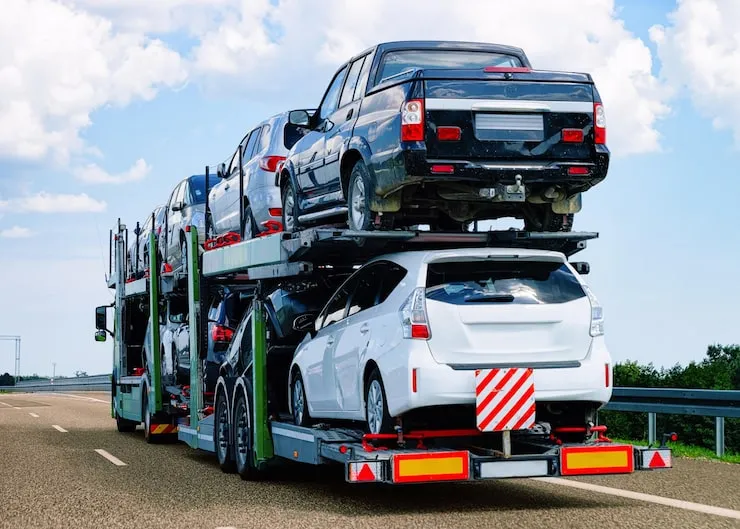
Traveling across the United States with a fifth wheel RV offers freedom, comfort, and flexibility. However, moving a large fifth wheel trailer from one location to another can be challenging, especially when you are relocating, purchasing an RV from another state, selling your trailer, or preparing for seasonal travel. Driving long distances, managing fuel costs, planning overnight stops, and navigating unfamiliar roads can turn an exciting journey into a demanding task.
That is where professional fifth wheel transport services can help. With the right transportation arrangements, RV owners can move their fifth wheel trailers more conveniently without personally towing them across hundreds or thousands of miles.
Rapid Auto Shipping helps customers explore vehicle and recreational vehicle transportation options based on their shipping requirements, route, trailer dimensions, and delivery preferences. Whether you need to move a fifth wheel across a neighboring state or arrange nationwide transportation, understanding the shipping process can help you make a confident decision.
In this guide, we explain how fifth wheel transportation works, what affects shipping costs, which transport options may be available, how to prepare your RV, and how to choose a dependable transportation provider.
What Is Fifth Wheel Transport?
Fifth wheel transport is the process of moving a fifth wheel recreational vehicle from one location to another using an appropriate towing or hauling arrangement. Fifth wheel trailers are designed to connect to a specialized hitch mounted in the bed of a compatible pickup truck, rather than a conventional bumper-mounted trailer hitch.
These RVs are popular among travelers and full-time RV owners because they offer spacious interiors, residential-style amenities, and comfortable living areas. Their size and weight, however, require careful transportation planning.
Depending on the RV's dimensions, weight, condition, route, and available equipment, transportation may involve a qualified driver towing the trailer with a suitable truck or a specialized hauling solution when necessary.
Professional fifth wheel shipping can be useful for:
-
Moving to another state or relocating for work.
-
Purchasing a fifth wheel RV from a distant dealership or private seller.
-
Delivering a trailer to a buyer after a sale.
-
Transporting an RV to a storage facility or seasonal destination.
-
Moving a fifth wheel to a repair shop or service center.
-
Relocating an RV between summer and winter destinations.
The most suitable method depends on the specific trailer and the transportation provider's capabilities. Before booking, confirm that the provider can accommodate your RV's dimensions, weight, condition, and destination.
Why Choose Professional Fifth Wheel Transport?
Moving a fifth wheel trailer over a long distance requires more than simply attaching it to a truck. Drivers must account for the trailer's weight, turning radius, braking requirements, tire condition, and clearance limitations.
Professional transportation arrangements can reduce the amount of work required from the RV owner while helping ensure that the move is planned appropriately.
1. Convenient Long-Distance Transportation
Driving a fifth wheel across several states can involve long hours behind the wheel, repeated fuel stops, overnight accommodations, and careful route planning.
With professional fifth wheel transport, you can arrange delivery while focusing on your relocation, travel plans, or other responsibilities. This can be particularly helpful when the pickup and delivery locations are far apart.
2. Less Wear on Your Personal Tow Vehicle
Towing a heavy RV places additional demands on a pickup truck's engine, transmission, brakes, tires, and suspension. Long-distance towing can increase maintenance requirements and fuel consumption.
Hiring a suitable transportation provider may help you avoid putting additional towing mileage on your personal vehicle.
3. Reduced Travel Planning
A cross-country RV move may require research into road restrictions, bridge clearances, suitable stopping locations, weather conditions, and fuel availability.
A qualified transporter can help plan the journey around the trailer's requirements. You should still confirm the expected route, estimated delivery window, and any access limitations before the shipment begins.
4. Flexible Pickup and Delivery Arrangements
Depending on availability and location, you may be able to arrange pickup from a residence, dealership, storage facility, or other accessible location.
Delivery options can vary based on road access, overhead obstructions, turning space, and the transport vehicle's size. If your property has a narrow driveway or limited access, discuss a nearby meeting point with the provider in advance.
5. Support for Different RV Ownership Needs
Fifth wheel transportation can serve first-time buyers, experienced RV owners, dealerships, seasonal travelers, and people selling trailers online.
Whether you are moving a newly purchased RV or relocating an existing trailer, the right shipping arrangement can make the process more manageable.
Types of Fifth Wheel Transport Services
Not every fifth wheel trailer can be transported using the same equipment or method. The appropriate option depends on its size, weight, roadworthiness, pickup location, and final destination.
1. Towed Fifth Wheel Transport
Towed transportation involves using a compatible pickup truck and fifth wheel hitch to move the trailer along public roads. The towing vehicle must be suitable for the trailer's loaded weight and hitch requirements.
This approach may work well for roadworthy fifth wheels that can be safely connected and towed. Before scheduling service, confirm that the towing arrangement meets applicable weight, braking, licensing, and safety requirements.
2. Specialized RV Hauling
Some oversized, unusually configured, or otherwise difficult-to-transport trailers may require specialized hauling arrangements. Availability depends on the equipment offered by the transportation provider and any applicable restrictions.
If your fifth wheel has unusual dimensions, modifications, or damage, share those details when requesting a quote. Providing accurate information helps the provider determine whether the requested transportation method is appropriate.
3. Dealership-to-Home Delivery
Buying a fifth wheel from a dealership in another state can create a logistical challenge if you cannot travel there to collect it.
Arranging professional delivery may help you receive the RV at your home or another accessible destination. Confirm the dealership's release requirements, the trailer's condition, and the delivery arrangements before booking.
4. Seasonal and Snowbird RV Relocation
Some RV owners travel seasonally between northern states and warmer destinations such as Florida, Arizona, Texas, and California.
Fifth wheel transport can help coordinate these moves without requiring the owner to tow the trailer personally. Seasonal demand, route availability, and weather can affect scheduling, so arranging transportation in advance is often beneficial.
How Much Does Fifth Wheel Transport Cost?
The cost of fifth wheel transport depends on several variables. There is no single price that applies to every RV shipment because trailers differ in size, weight, condition, and transportation requirements.
For an accurate estimate, provide the pickup ZIP code, delivery ZIP code, trailer dimensions, approximate weight, and desired shipping date.
Key Factors That Affect Fifth Wheel Shipping Prices
Distance and route: Longer routes generally require more driving time, fuel, and transportation resources. However, cost does not necessarily increase at a uniform rate per mile. Popular transport corridors may have different pricing from remote destinations.
Trailer size and weight: Large or heavy fifth wheels can require more capable equipment and may be subject to additional restrictions. Accurate measurements are essential for determining a suitable transport arrangement.
Trailer condition: A roadworthy fifth wheel that can be safely towed may have more transportation options than one with damaged tires, faulty brakes, structural problems, or other issues.
Pickup and delivery access: Narrow streets, steep driveways, low-clearance structures, and restricted-access communities can complicate pickup or delivery. A nearby accessible meeting point may be necessary.
Time of year: Demand can change during peak RV travel periods and seasonal relocation months. Weather and regional road conditions may also influence scheduling.
Transport method: Towing with a suitable truck and hitch may involve different costs from specialized hauling. The correct option depends on the trailer and the provider's equipment.
Insurance and service terms: Understand what coverage applies during transit, any deductibles or exclusions, and whether additional protection is available. Compare the complete service terms rather than selecting a provider based only on the lowest quote.
How to Get an Accurate Fifth Wheel Transport Quote
Follow these steps when requesting a price from Rapid Auto Shipping:
-
Provide your pickup and delivery ZIP codes.
-
Share the fifth wheel's make, model, year, and approximate dimensions.
-
Confirm its estimated weight and whether it is roadworthy.
-
Explain any tire, brake, hitch, or other mechanical concerns.
-
Specify your preferred pickup date and delivery timeframe.
-
Ask about the transportation method, insurance arrangements, payment terms, and potential additional charges.
A detailed quote request gives the transportation provider the information needed to assess the shipment and explain the available options.
How to Prepare Your Fifth Wheel for Transport
Proper preparation can help reduce delays and make the handover process easier.
1. Inspect the Exterior
Walk around your fifth wheel and look for existing scratches, dents, cracked panels, loose trim, and other visible damage. Take clear photographs from multiple angles before transportation.
Record the condition of the roofline, windows, doors, storage compartments, and other exposed areas. Share any concerns with the transporter before the move.
2. Check Tires and Brakes
If the trailer will be towed, its tires, wheels, braking system, and hitch connection must be suitable for the journey.
Check tire condition and inflation against the manufacturer's recommendations. Do not assume a trailer is roadworthy simply because it was driven recently. If you notice tire damage, brake problems, or wheel-bearing concerns, arrange an inspection before transport.
3. Secure Loose Items
Remove or secure loose belongings inside the RV. Close cabinets, latch doors, and secure movable equipment to minimize shifting during travel.
Avoid leaving valuable personal belongings inside unless the provider expressly permits them and the relevant insurance terms are understood.
4. Disconnect Utilities
Disconnect electrical hookups, water connections, sewer lines, and other external utilities before pickup. Secure hoses, cables, steps, awnings, and other accessories according to the manufacturer's instructions.
If the RV has slide-outs or other moving components, confirm that they are properly retracted and secured for transportation.
5. Check Dimensions and Weight
Measure the fifth wheel's overall length, width, and height in its transport configuration. Include relevant accessories that affect its dimensions.
Accurate information helps the provider assess clearances, route limitations, equipment requirements, and applicable transport restrictions. Never underestimate the trailer's height or weight to obtain a lower quote.
6. Remove or Secure Exterior Accessories
Secure removable equipment and inspect items such as satellite dishes, bike racks, antennas, and exterior storage attachments. Confirm with the transporter which accessories must be removed before pickup.
7. Prepare Your Documentation
Keep relevant ownership or authorization documents available, along with the booking confirmation and contact details for the pickup and delivery parties.
Photograph the trailer before handover and review the inspection record with the driver. At delivery, inspect the fifth wheel again and document any apparent damage promptly, following the provider's reporting procedure.
How to Choose a Reliable Fifth Wheel Transport Company
Selecting a transportation provider requires more than comparing prices. You should understand who will move your RV, what equipment will be used, and how the shipment will be handled.
Verify Credentials and Applicable Registration
Ask for the transportation provider's legal business information and any required operating authority. For interstate commercial transportation, verify applicable registration, operating authority, and safety information through the Federal Motor Carrier Safety Administration (FMCSA), where relevant.
Requirements can differ according to the type of operation and transportation arrangement. Confirm that the provider and driver meet the requirements applicable to your shipment.
Understand Insurance Coverage
Ask what insurance applies to the fifth wheel while it is in transit. Request details about coverage limits, exclusions, deductibles, claims procedures, and responsibility for damage.
Do not assume that every type of damage or personal belonging is covered. Review the relevant documents and clarify any uncertainties before authorizing transportation.
Compare Written Quotes
Request written estimates that clearly describe the transportation method, pickup and delivery arrangements, expected timing, payment terms, and possible additional charges.
An unusually low price may not include all the services or conditions you need. A transparent quote is more useful than a headline price that changes after booking.
Ask About Scheduling and Communication
Confirm the expected pickup window, estimated transit time, and process for receiving updates. Delivery dates may change because of weather, road closures, mechanical problems, or other circumstances beyond the provider's control.
A dependable provider should explain how schedule changes will be communicated and whom you should contact if questions arise.
Review the Agreement Before Booking
Read cancellation terms, payment obligations, liability provisions, and any conditions relating to pickup or delivery access. Make sure the written agreement matches the service discussed with you.
Choosing a provider with clear communication and well-defined terms can help you avoid unnecessary confusion throughout the shipping process.
How the Fifth Wheel Transport Process Works
Understanding the shipping process helps you know what to expect from the initial quote through final delivery.
Step 1: Request a Quote
Provide your route, trailer specifications, condition, and preferred dates to Rapid Auto Shipping so the available transportation options can be evaluated.
Step 2: Confirm the Transport Arrangement
Review the quote, proposed transport method, pickup window, payment terms, and insurance information before confirming your booking.
Step 3: Prepare and Inspect the RV
Secure the trailer, complete the necessary checks, photograph its condition, and coordinate access with the pickup location.
Step 4: Transportation and Updates
The assigned transportation provider moves the fifth wheel using the agreed method and communicates relevant scheduling updates.
Step 5: Delivery and Final Inspection
Inspect the RV at delivery, compare its condition with the original photographs, and report any concerns according to the agreed claims procedure.
Tips to Save Money on Fifth Wheel Transport
Although safety and suitability should remain priorities, a few practical decisions may help you manage transportation costs.
-
Book in advance: Early planning gives you more time to compare quotes and find a suitable pickup window.
-
Stay flexible with dates: If your schedule allows, ask whether alternative pickup dates offer better availability.
-
Provide accurate measurements: Correct dimensions and weight help reduce pricing discrepancies and equipment-related complications.
-
Choose accessible locations: When practical, arrange pickup and delivery at locations with sufficient clearance and maneuvering space.
-
Compare multiple written estimates: Evaluate the complete price, insurance arrangements, and service terms rather than focusing on the cheapest offer.
-
Ask about potential extra charges: Clarify fees for difficult access, special equipment, delays, or other conditions that may apply.
-
Prepare the trailer beforehand: Resolving known mechanical or tire issues before pickup can help prevent avoidable delays.
Avoid compromising on appropriate equipment, legal compliance, or insurance simply to reduce the quoted price.
Why Consider Rapid Auto Shipping for Fifth Wheel Transport?
When arranging RV transportation, customers need clear information, practical scheduling, and a provider that understands the logistics of moving large recreational vehicles.
Rapid Auto Shipping helps customers explore transportation arrangements for moves across state lines and throughout the United States. If you need to relocate a fifth wheel trailer, the first step is to provide the details required to assess your shipment.
When contacting Rapid Auto Shipping, ask about:
-
Available transportation methods for your fifth wheel's size and weight.
-
Pickup and delivery options for your specific locations.
-
Estimated shipping costs and scheduling.
-
Applicable insurance coverage and documentation.
-
Payment terms, cancellation policies, and possible additional fees.
Not every fifth wheel can be transported using the same equipment or service. Confirm that the proposed arrangement is suitable for your trailer before booking.
Whether you are purchasing an RV from another state, moving to a new home, or coordinating a seasonal relocation, planning ahead can make the experience more straightforward.
Ready to move your fifth wheel? Contact Rapid Auto Shipping to discuss your route, trailer specifications, and transportation requirements and request a quote for your shipment.
Frequently Asked Questions About Fifth Wheel Transport
1. What is fifth wheel transport?
Fifth wheel transport is the movement of a fifth wheel recreational vehicle from one location to another using a suitable towing vehicle or specialized hauling equipment. It is commonly used for interstate relocations, RV purchases, dealership deliveries, and seasonal moves.
2. How much does it cost to transport a fifth wheel?
The cost depends on the distance, trailer dimensions, weight, condition, transport method, route, and pickup requirements. Request a personalized quote with your pickup and delivery ZIP codes and accurate RV specifications to obtain a more relevant estimate.
3. Can I transport a fifth wheel across the country?
Yes, cross-country fifth wheel transportation may be possible when a suitable provider and transport arrangement are available. The trailer's dimensions, weight, condition, route restrictions, and scheduling requirements must be assessed before booking.
4. How long does fifth wheel transport take?
Transit time varies according to the distance, route, weather, driver availability, and pickup and delivery arrangements. Ask your provider for an estimated transit window and clarify whether it includes the time needed to arrange pickup.
5. Can a fifth wheel be transported if it is not roadworthy?
Potentially, but a fifth wheel with damaged tires, faulty brakes, structural problems, or other mechanical issues may not be suitable for conventional towing. Disclose its condition before booking so the provider can determine whether an appropriate alternative is available.
6. Do I need to prepare my fifth wheel before shipping?
Yes. You should secure loose belongings, disconnect utilities, inspect the tires and exterior, secure accessories, and confirm that the trailer is ready for the agreed transport method. Follow the transportation provider's specific preparation instructions.
7. Is fifth wheel transport insured?
Insurance arrangements vary by provider and transportation method. Before booking, confirm the applicable coverage, limits, exclusions, deductibles, and claims procedure. Request written documentation rather than assuming every type of damage is covered.
8. Can I arrange fifth wheel pickup from my home?
Home pickup may be possible if the location provides sufficient road access, clearance, and maneuvering space for the transport vehicle. If access is restricted, the provider may suggest an alternative nearby pickup point.
9. Is professional fifth wheel transport better than towing it myself?
Professional transportation may be more convenient when you want to avoid long-distance towing, additional mileage on your truck, and extensive travel planning. However, the best option depends on your towing experience, available equipment, budget, and travel plans.
10. How can I get a fifth wheel transport quote from Rapid Auto Shipping?
Prepare your pickup and delivery ZIP codes, fifth wheel make and model, dimensions, estimated weight, condition, and preferred dates. Contact Rapid Auto Shipping with these details to discuss available options and request a quote.
Final Thoughts
Fifth wheel transport can make moving a recreational vehicle across the United States more manageable, particularly when you are relocating, purchasing a trailer from another state, or planning a seasonal move. The key is to select a transportation arrangement that matches your RV's dimensions, weight, condition, and destination.
Before making a decision, compare written quotes, confirm the provider's applicable credentials, understand insurance coverage, and prepare your fifth wheel carefully. These steps can help reduce unexpected complications and support a smoother shipping experience.
Rapid Auto Shipping can help you explore your transportation requirements and request a quote for your planned move. With careful preparation and clear communication, you can take the next step toward getting your fifth wheel to its destination.
Move your RV with a plan that fits your needs. Contact Rapid Auto Shipping to discuss your fifth wheel transport requirements today.