Exterior Painting Mistakes Surrey Homeowners Should Avoid
By Andrew Goldman
4 Views
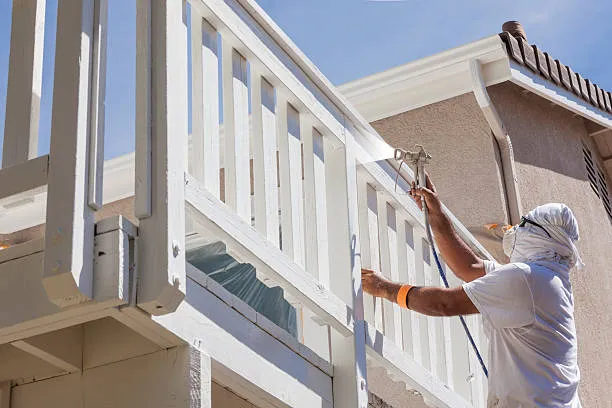
Painting the exterior of a home can be one of the most effective ways to refresh its appearance and maintain weather-exposed surfaces. A new colour can improve curb appeal, while a properly planned coating system can help protect siding, trim, and other exterior features.
However, exterior painting is not simply a matter of choosing a colour and applying a few coats.
Many homeowners make decisions that seem reasonable at the beginning of a project but can lead to disappointing results later. Problems such as peeling paint, uneven finishes, poor adhesion, and premature fading are often connected to preparation, product selection, timing, or overlooked maintenance issues.
For Surrey homeowners, weather and moisture add another layer of complexity.
Understanding the most common exterior painting in Surrey BC mistakes—and knowing how to avoid them—can help homeowners make better decisions before a project begins.
Mistake #1: Painting Over Peeling or Loose Paint
The Problem
One of the most common mistakes is applying fresh paint directly over peeling or loose existing coatings.
A new coat may temporarily make the surface look better, but it does not automatically solve the underlying adhesion problem.
If the old paint is no longer properly attached to the surface, the new coating may eventually fail along with it.
The Solution
Loose and failing paint should be addressed before repainting.
Depending on the condition of the surface, preparation may involve:
- Scraping loose paint
- Sanding unstable edges
- Cleaning the surface
- Repairing damaged areas
- Priming exposed material where appropriate
The goal is to create a clean and stable foundation for the new paint system.
Preparation may take time, but it is one of the most important steps in achieving a durable and consistent result.
Mistake #2: Ignoring Moisture Problems
The Problem
Paint problems are sometimes treated as purely cosmetic issues.
For example, a homeowner may notice peeling paint and immediately decide that the solution is another coat of paint.
However, recurring moisture can be one of the reasons paint is failing in the first place.
Overflowing gutters, poor drainage, damaged components, or surfaces that remain damp for long periods can all contribute to recurring problems.
Simply repainting the affected area without identifying the source of moisture may result in the same issue returning.
The Solution
Before repainting, inspect the surrounding area.
Look for possible causes such as:
- Overflowing gutters
- Water running down exterior walls
- Damaged caulking
- Poor drainage
- Dense vegetation trapping moisture
- Areas with limited airflow
Addressing the underlying cause should be part of the maintenance strategy.
Paint can help protect a properly prepared surface, but it should not be expected to solve unrelated drainage or structural issues.
Mistake #3: Painting Too Soon After Rain
The Problem
Surrey's weather can make project timing particularly important.
A common mistake is assuming that a surface is ready for painting simply because it is no longer raining.
Exterior materials may retain moisture after rainfall, especially in shaded areas.
A wall can look dry while certain parts of the surface or underlying material still contain moisture.
Applying paint under unsuitable conditions can affect adhesion and performance.
The Solution
Allow sufficient drying time before painting.
The appropriate waiting period can depend on factors such as:
- The amount of recent rainfall
- The type of exterior material
- Air temperature
- Humidity
- Sun exposure
- Airflow
The paint manufacturer's application requirements should also be considered.
Rather than rushing to paint during a short break in the weather, homeowners should focus on whether the surface and environmental conditions are actually suitable.
Mistake #4: Choosing Paint Based Only on Price
The Problem
It can be tempting to choose the least expensive paint available, particularly when a large exterior surface requires multiple gallons.
However, the lowest-priced product is not always the most appropriate choice for a specific material or project.
Different surfaces can require different types of coatings and primers.
The Solution
Focus on selecting a suitable paint system rather than simply choosing the cheapest or most expensive option.
Consider:
- The material being painted
- The existing coating
- Surface condition
- Environmental exposure
- Preparation requirements
- Product compatibility
The right coating should be appropriate for the surface and the conditions it will experience.
Mistake #5: Skipping Important Surface Preparation
The Problem
Preparation can be time-consuming, which makes it tempting to reduce or skip certain steps.
However, exterior surfaces can collect dirt, dust, mildew, algae, and other contaminants.
Paint may not perform as expected when applied to a surface that has not been properly prepared.
The Solution
Surface preparation should be treated as a core part of the project.
Depending on the property's condition, this may include:
- Cleaning
- Scraping
- Sanding
- Minor repairs
- Caulking appropriate gaps
- Priming bare surfaces
Not every surface requires the same process.
The appropriate preparation should depend on the material and its condition.
A quality finish begins with a stable and properly prepared surface.
Mistake #6: Ignoring Cracked or Deteriorating Caulking
The Problem
Homeowners sometimes focus entirely on painted surfaces while overlooking joints and transitions around windows, doors, and trim.
Over time, exterior caulking can crack, shrink, or separate.
If these areas require maintenance, painting over them without addressing the damaged caulking may leave visible problems behind.
The Solution
Inspect exterior caulking before the painting project begins.
Look for:
- Cracks
- Gaps
- Shrinking
- Separation
- Missing sections
Where appropriate, deteriorating caulking can be removed and replaced with a suitable exterior product.
However, homeowners should avoid sealing areas that are intentionally designed for drainage or ventilation.
When unsure, it is better to consult an experienced professional than to seal an area that should remain open.
Mistake #7: Selecting Colours Without Testing Them Outside
The Problem
A colour that looks attractive on a small sample card may look completely different across an entire exterior wall.
Natural light, shade, nearby landscaping, and the direction a wall faces can all influence how a colour appears.
Homeowners may be disappointed after a large area has been painted if they selected the colour without seeing it on the actual property.
The Solution
Test samples directly on the exterior.
Observe them at different times of day and under different conditions.
Consider how the colour works with permanent features such as:
- Roofing
- Brick
- Stonework
- Window frames
- Driveways
- Landscaping
Testing before making a final decision can help homeowners choose colours with greater confidence.
Mistake #8: Focusing Only on the Main Walls
The Problem
Some homeowners put all of their attention into choosing a colour for the main siding while overlooking the role of trim and accent features.
As a result, the final colour scheme may feel incomplete or unbalanced.
The Solution
Think about the home as a complete visual composition.
Consider how the main body colour works with:
- Trim
- Fascia
- Window frames
- Front doors
- Garage doors
- Railings
- Architectural details
A carefully coordinated palette can significantly improve curb appeal.
Even a subtle change in trim colour can alter the overall appearance of a home.
Mistake #9: Underestimating the Time Required
The Problem
Exterior painting projects often take longer than homeowners expect.
Preparation alone can require significant time.
Weather delays, drying periods, repairs, and difficult-to-reach areas can also affect the schedule.
A rushed project may lead homeowners to skip important steps simply to finish more quickly.
The Solution
Plan for flexibility.
A realistic exterior painting project may involve several stages, including inspection, preparation, repairs, cleaning, drying, priming, and finishing coats.
Weather should also be considered when creating the schedule.
Allowing sufficient time for each stage is generally more important than trying to complete the entire project by an arbitrary deadline.
Mistake #10: Using the Wrong Tools or Application Method
The Problem
Different exterior surfaces may require different application methods.
Using unsuitable brushes, rollers, or equipment can make it more difficult to achieve consistent coverage.
The wrong approach may also create visible marks or uneven results.
The Solution
Choose tools that are appropriate for the surface and coating being used.
The paint manufacturer's recommendations can provide useful guidance.
For larger or more complex projects, experienced painters may also use professional equipment to improve efficiency and consistency.
The best application method depends on the property, material, surface condition, and type of paint being applied.
Mistake #11: Ignoring Difficult-to-Reach Areas
The Problem
Upper levels, roofline trim, and other elevated areas can be difficult to inspect and paint.
Some homeowners postpone these sections because they require ladders or specialized access.
However, ignoring these areas can allow peeling paint or damaged surfaces to continue deteriorating.
The Solution
Inspect difficult-to-reach areas as part of the overall maintenance plan.
For work at significant heights, professional assistance may be the safer and more practical option.
The cost of hiring experienced painters should be considered alongside the equipment requirements, time commitment, and safety risks of attempting elevated work independently.
Mistake #12: Waiting Until the Paint Has Completely Failed
The Problem
Some homeowners delay repainting until peeling, cracking, and surface deterioration become widespread.
By that point, the amount of preparation and repair required may be greater.
The Solution
Regular inspections can help identify early warning signs.
Look for small areas of:
- Peeling
- Cracking
- Fading
- Exposed material
- Deteriorating caulking
- Moisture staining
Addressing developing problems early can make maintenance more manageable.
For homeowners considering Exterior Painting in Surrey BC, evaluating the condition of the exterior before widespread paint failure occurs can help create a more practical maintenance plan.
A Simple Way to Avoid Most Exterior Painting Problems
Many exterior painting mistakes can be avoided by following a simple sequence:
1. Inspect the Exterior
Identify peeling paint, cracks, moisture problems, damaged caulking, and surface deterioration.
2. Address Underlying Issues
Do not assume new paint will solve drainage, moisture, or damaged-surface problems.
3. Prepare the Surface Properly
Clean, repair, scrape, sand, caulk, and prime where appropriate.
4. Choose Suitable Materials
Select products based on the surface and project requirements.
5. Plan Around Weather Conditions
Consider rainfall, moisture, temperature, humidity, and drying requirements.
6. Apply the Paint Carefully
Use appropriate tools and follow recommended application procedures.
7. Maintain the Exterior
Inspect painted surfaces regularly and address small problems before they become larger.
Final Thoughts
Exterior painting can make a significant difference to a home's appearance, but the quality of the final result depends on more than the colour chosen.
Many of the most common problems begin before the first coat is applied.
Painting over loose coatings, ignoring moisture issues, skipping preparation, rushing because of weather, and delaying maintenance can all contribute to disappointing results.
For Surrey homeowners, taking a thoughtful approach is particularly important because exterior surfaces are regularly exposed to rain and damp conditions.
The best strategy is to treat exterior painting as part of an overall home maintenance plan.
By inspecting surfaces, addressing underlying problems, preparing carefully, selecting appropriate products, and avoiding rushed decisions, homeowners can make more informed choices and help maintain the appearance of their property for years to come.
Related Reading
Expert Insights: Navigating the Complex World of Home Improvement
Welcome to our in-depth exploration of Home Improvement. In an era defined by ra...
Why Home Improvement is Transforming the Global Industry Landscape
Welcome to our in-depth exploration of Home Improvement. In an era defined by ra...