How Durable Is Exposed Aggregate for Driveways and Patios?
39 Views
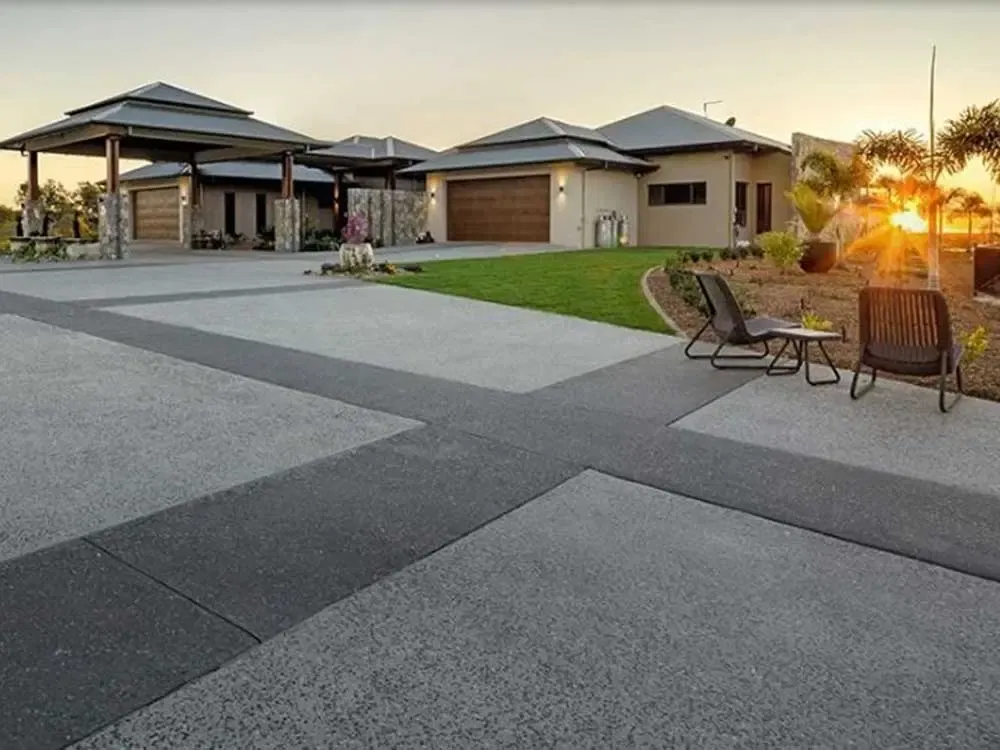
Exposed aggregate is a popular choice for driveways, patios, walkways, and other outdoor areas. It gives concrete a natural and decorative look by showing the small stones and rocks inside the concrete surface. This makes it different from plain concrete, which usually has a smooth and simple finish.
Many homeowners choose exposed aggregate because it offers both style and strength. It can handle daily foot traffic, cars, outdoor furniture, sunlight, and rain. But like any outdoor surface, it needs proper installation and care to stay in good condition.
So, how durable is exposed aggregate for driveways and patios? When installed correctly, it can last for many years and may continue to perform well for several decades. Its lifespan depends on the quality of the concrete, the ground below it, weather conditions, drainage, traffic, and regular maintenance.
Before choosing this material, it is helpful to understand how it works, what can damage it, and how you can protect it over time.
What Is Exposed Aggregate Concrete?
Exposed aggregate is a type of decorative concrete. During installation, small stones are mixed into the concrete. Once the concrete starts to set, the top layer of cement is carefully removed. This reveals the stones and creates a textured surface.
The exposed stones can come in different sizes, shapes, and colors. This gives homeowners many design options for driveways and patios.
The main strength of the surface comes from the concrete underneath the aggregate. If the concrete slab is strong and the ground has been prepared properly, the finished surface can handle regular outdoor use.
People who are exploring different modern surface materials can also learn what microcement is and how it differs from traditional concrete. While these materials can have different uses, understanding the options can help homeowners choose the right finish for each part of their property.
Exposed aggregate is especially popular for outdoor areas because its textured finish can provide good grip. This can be helpful when the surface becomes wet after rain or cleaning.
Why Is Exposed Aggregate a Good Choice for Driveways?
A driveway needs to be strong enough to support the weight of vehicles. Exposed aggregate can be a good option for residential driveways because it combines a strong concrete base with a decorative surface.
A properly installed driveway can handle normal cars and small vehicles without major problems. However, the concrete should be designed for the type of traffic it will receive.
For example, a driveway used only by family cars may not need the same design as one that regularly supports large trucks or heavy equipment.
The ground beneath the concrete is also very important. If the base is weak or not properly prepared, the concrete may settle or crack over time. A strong base helps spread the weight and keeps the surface more stable.
The installation process also affects durability. Contractors need to use the right concrete mix, slab thickness, reinforcement, and control joints. These details can help reduce the chance of serious damage.
Before starting a driveway project, it is also useful to understand the cost of exposed aggregate concrete. Comparing the price with other materials can help you make a better decision based on your budget and long-term needs.
How Durable Is Exposed Aggregate for Patios?
Patios usually experience less pressure than driveways, which makes exposed aggregate a practical choice for many outdoor living spaces.
A well-built exposed aggregate patio can handle people walking, outdoor furniture, tables, chairs, grills, and normal family activities. The textured finish can also give the patio a natural appearance that works well with gardens, lawns, and other outdoor features.
One benefit of exposed aggregate is that small marks and minor dirt may be less noticeable than they are on plain, smooth concrete. The different stones create a pattern that can help hide small changes in color.
However, patios still need proper drainage. Water should flow away from the surface instead of collecting in low areas. Standing water can create problems over time and may increase the risk of surface damage.
Homeowners looking at other flooring ideas may also explore micro-concrete flooring for suitable areas. This type of material may offer a different look and feel, but exposed aggregate remains a strong option for many outdoor patios.
How Long Can Exposed Aggregate Last?
There is no exact lifespan for every exposed aggregate driveway or patio. However, a properly installed surface can last for many years. In good conditions, it may continue to provide useful service for several decades.
The quality of the concrete is one of the biggest factors. The concrete must be mixed correctly and allowed to cure properly. The surface should also be exposed at the right time during installation.
The ground underneath the slab is just as important. If the soil moves or settles, the concrete above it may crack. This is why proper preparation should happen before the concrete is poured.
Control joints can also help manage natural movement. Concrete expands and contracts as temperatures change. Control joints give the concrete planned areas where movement can happen and may help reduce random cracks.
General information about concrete explains why material quality, construction methods, and environmental conditions can affect its long-term performance. These same factors are important when considering exposed aggregate because it is still based on a concrete slab.
With proper installation and regular care, exposed aggregate can offer a long service life and good value for homeowners.
What Weather Conditions Can Affect Exposed Aggregate?
Weather has a major effect on outdoor surfaces. Exposed aggregate must deal with rain, heat, sunlight, moisture, and temperature changes throughout the year.
In hot areas, strong sunlight can slowly affect the appearance of the surface. It may also cause protective sealers to wear out over time. Applying a suitable sealer when needed can help protect the surface.
Rain is another concern. Good drainage is important because water should not remain on the surface for long periods. The area should be designed so water can move away from the concrete.
Cold weather can create different problems. In areas with freezing temperatures, water may enter tiny spaces in the concrete. When the water freezes, it expands. Repeated freezing and thawing can place stress on the surface.
Good installation can help reduce these risks. Proper drainage, a suitable concrete mix, and correct curing are all important.
Homeowners should think about their local climate before choosing any outdoor surface. The right installation method may vary depending on the weather in the area.
What Can Damage an Exposed Aggregate Surface?
Exposed aggregate is durable, but it is not completely damage-proof. Several common problems can affect its appearance and strength.
Cracks and Ground Movement
Cracks can develop because of ground movement, temperature changes, poor drainage, or weak preparation below the concrete.
Small cracks may not always be serious, but they should be watched. If a crack becomes wider or continues to grow, it may need professional repair.
Oil and Chemical Stains
Driveways can become stained by oil, grease, and fluids from vehicles. Patios may also have food, drinks, leaves, and dirt on the surface.
Cleaning spills quickly can help reduce permanent stains. Regular cleaning can also keep the surface looking fresh.
Heavy Loads
A residential exposed aggregate driveway can usually support normal vehicles. However, very heavy trucks or equipment may damage a slab that was not designed for those loads.
If heavy vehicles will use the area, the concrete should be designed for that purpose from the beginning.
Tree Roots
Tree roots can grow under concrete and push sections upward. This can cause cracks and uneven surfaces.
Careful planning around trees can help reduce this risk.
How Can You Protect Exposed Aggregate?
Regular care can help an exposed aggregate driveway or patio last longer.
Start by keeping the surface clean. Sweep away dirt, leaves, and other debris. Clean oil and liquid spills as soon as possible.
Sealing may also help protect the concrete. A suitable sealer can help reduce water absorption and protect against some stains. The right sealing schedule depends on the weather, traffic, and type of product used.
It is also useful to inspect the surface from time to time. Look for cracks, loose stones, standing water, or areas that appear damaged.
For homeowners interested in other decorative surface ideas, exploring microcement bathroom ideas can provide inspiration for indoor design projects. Exposed aggregate and microcement serve different purposes, but both can be part of a wider approach to choosing surfaces for a home.
If you are considering microcement for an existing tiled area, you can also read this guide to microcement over tile installation to understand how another type of surface solution can be applied.
For those interested in learning more about the installation process, the Topciment microcement installation guide offers additional information about professional surface installation.
A good maintenance plan should always match the material. For exposed aggregate, this means regular cleaning, careful stain removal, proper sealing, and early attention to cracks.
Is Professional Installation Important?
Yes, professional installation can make a major difference in the life of an exposed aggregate surface.
The contractor needs to prepare the ground, choose the right concrete mix, set the correct slab thickness, and install suitable control joints. The timing of the aggregate exposure is also important. If the surface is exposed too early or too late, the final appearance and strength may not be what you expect.
Good installation also includes proper curing. Concrete needs time to gain strength before it is exposed to heavy use.
If you want to understand more about professional microcement systems and installation methods, the Topciment microcement guide can provide useful background about another modern decorative surface material.
Choosing an experienced contractor is one of the best ways to reduce installation problems. A skilled professional can also help you select the right concrete design for your driveway or patio.
What Should You Consider Before Choosing Exposed Aggregate?
Before choosing exposed aggregate, think about how you plan to use the space.
For a driveway, consider the number and weight of vehicles that will use it. For a patio, think about furniture, foot traffic, and outdoor activities.
You should also consider your local weather. Areas with heavy rain may need better drainage. Places with freezing temperatures may require special attention to water and concrete protection.
Your budget is another important factor. The initial cost is only one part of the decision. You should also think about cleaning, sealing, repairs, and the expected lifespan of the surface.
For homeowners exploring different finishes for indoor spaces, microcement bathroom solutions can be another option to consider. The important thing is to choose a material based on the needs of each space rather than using the same material everywhere.
Many homeowners also ask questions about exposed aggregate maintenance, cracking, cleaning, and sealing. You can find different personal experiences in discussions about exposed aggregate concrete on Quora. However, professional advice is always better when dealing with a specific installation or repair.
Frequently Asked Questions
Is exposed aggregate strong enough for a driveway?
Yes. Exposed aggregate can be strong enough for a residential driveway when the concrete slab is properly designed and installed. It can normally handle everyday household vehicles.
Does exposed aggregate crack easily?
Exposed aggregate can crack just like other types of concrete. Good ground preparation, proper installation, control joints, and drainage can help reduce the risk of major cracks.
How long does exposed aggregate last?
A properly installed and maintained exposed aggregate surface can last for many years. In suitable conditions, it may provide several decades of service.
Is exposed aggregate good for patios?
Yes. It is a popular choice for patios because it is strong, attractive, and textured. It can handle normal foot traffic, outdoor furniture, and everyday activities.
Does exposed aggregate need maintenance?
Yes. Regular cleaning and occasional sealing can help protect the surface. It is also important to repair cracks and drainage problems before they become serious.
Conclusion
Exposed aggregate is a strong and attractive option for driveways and patios. When it is installed correctly, it can handle normal vehicles, foot traffic, outdoor furniture, sunlight, and rain for many years.
Its durability depends on several factors, including the quality of the concrete, ground preparation, drainage, weather, traffic, and maintenance. Regular cleaning, proper sealing, and early repairs can help extend the life of the surface.
If you are comparing different materials for your home, microscement may also be worth exploring for suitable indoor design projects. The best surface will depend on your space, budget, local climate, expected use, and the look you want. With the right material and proper installation, you can create an outdoor surface that looks good and performs well for years.
Related Reading
Expert Insights: Navigating the Complex World of Home Improvement
Welcome to our in-depth exploration of Home Improvement. In an era defined by ra...
Why Home Improvement is Transforming the Global Industry Landscape
Welcome to our in-depth exploration of Home Improvement. In an era defined by ra...