Exploring Modern Medicated Facial Treatments for Dull, Dry, and Congested Skin
By aaaaabbbbbb
22 Views
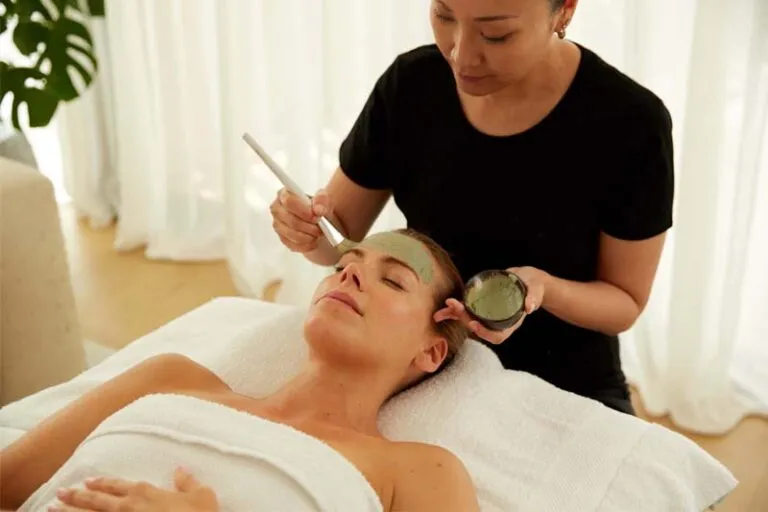
Professional medicated facials help improve skin health through targeted treatments that address acne, clogged pores, uneven skin tone, dryness, and other common skin concerns. These facials use skin care products and techniques selected according to individual skin types and conditions. Unlike a basic facial, a medicated facial focuses on specific skin problems and uses ingredients that support a healthier complexion.
Many people experience skin problems because of excess oil, dead skin cells, environmental exposure, hormonal changes, or unsuitable skin care products. Regular cleansing at home helps maintain basic skin hygiene, but some concerns need professional attention. A professional skin care specialist can examine the skin, identify its needs, and recommend a suitable treatment.
Medicated facials offer a structured approach to skin care. They combine cleansing, exfoliation, hydration, and targeted ingredients to improve the appearance and condition of the skin. The right treatment depends on the person's skin type, sensitivity, and existing concerns.
What Are Professional Medicated Facials?
Professional medicated facials are skin treatments that use specialized products and techniques to address particular skin concerns. A trained skin care professional selects products based on the condition of the skin rather than following the same routine for every client.
These treatments may include gentle cleansing, controlled exfoliation, extraction when appropriate, soothing masks, and moisturizing products. Some facials also use ingredients such as salicylic acid, glycolic acid, niacinamide, or hyaluronic acid.
Each ingredient serves a different purpose. Salicylic acid helps remove excess oil and clear clogged pores. Glycolic acid supports the removal of dead skin cells. Niacinamide helps improve the appearance of uneven skin tone and supports the skin barrier. Hyaluronic acid attracts moisture and helps keep the skin hydrated.
A professional assessment helps determine which ingredients are suitable. Strong products or excessive exfoliation can irritate sensitive skin, so treatment selection matters.
Common Skin Concerns Treated With Medicated Facials
Medicated facials can address several surface level skin concerns. The treatment plan depends on the cause and severity of the problem.
Acne and Clogged Pores
Acne often develops when oil and dead skin cells block hair follicles. Bacteria and inflammation can make these blocked pores worse. Some medicated facials use ingredients such as salicylic acid to help remove buildup and improve the appearance of congested skin.
Advanced skin treatments may also help remove surface impurities. However, deep or painful acne requires medical assessment. Facials cannot replace prescription acne treatment when a person has severe breakouts, cysts, or scarring.
Uneven Skin Tone
Dark spots, sun exposure, and post acne marks can create an uneven complexion. Certain facial treatments use ingredients that improve skin texture and reduce the appearance of discoloration over time.
Niacinamide and other suitable brightening ingredients can support a more even looking complexion. Daily sunscreen remains important because ultraviolet exposure can make dark spots more noticeable.
Dry and Dehydrated Skin
Dry skin lacks enough oil, while dehydrated skin lacks water. Both conditions can cause rough texture, tightness, and a dull appearance.
Hydrating facials use gentle products that help restore moisture. Ingredients such as hyaluronic acid, glycerin, and ceramides can improve hydration and support the skin barrier.
Dull and Rough Skin
Dead skin cells can collect on the surface and make skin appear uneven. Controlled exfoliation helps remove some of this buildup and improve skin texture.
The professional must select an exfoliation method that matches the skin's sensitivity. Excessive exfoliation can cause redness, irritation, and increased sensitivity.
Types of Professional Medicated Facials
Different facial treatments serve different purposes. A professional consultation helps identify the most suitable option.
Acne Control Facial
An acne control facial focuses on oily skin, clogged pores, and mild breakouts. It may include gentle cleansing, suitable exfoliation, and products designed for acne prone skin.
The treatment aims to improve surface cleanliness and reduce pore congestion. People with inflamed or severe acne should consult a dermatologist before receiving extractions or exfoliating treatments.
Hydrating Facial
A hydrating facial helps improve moisture levels and reduce the appearance of dry, tight skin. It may use moisture supporting serums, masks, and moisturizers.
This option suits people who experience dryness because of weather, air conditioning, frequent washing, or unsuitable skin care products.
Brightening Facial
A brightening facial targets dullness and uneven skin tone. It may use ingredients such as niacinamide, vitamin C, or carefully selected exfoliating agents.
The treatment focuses on improving the appearance of the skin rather than changing its natural color. Consistent sun protection helps maintain results.
Sensitive Skin Facial
Sensitive skin needs gentle care. This facial uses mild cleansers, soothing products, and limited exfoliation when appropriate.
A professional may avoid fragrances, harsh acids, and aggressive extraction methods. People with eczema, rosacea, or active skin irritation need medical guidance before treatment.
Benefits of Professional Medicated Facials
A properly selected facial can support a healthier skin care routine. It also gives a professional an opportunity to assess changes in the skin.
Some common benefits include:
-
Improved skin cleansing and removal of surface buildup.
-
Better hydration and smoother looking skin.
-
Support for managing mild pore congestion.
-
Improved appearance of dullness and uneven texture.
-
Product selection based on individual skin needs.
-
Guidance about daily skin care and sun protection.
Results vary according to the treatment, skin condition, and home care routine. A single session may improve hydration or temporarily smooth the skin, while concerns such as pigmentation often require a longer treatment plan.
What Happens During a Medicated Facial?
A professional facial usually begins with a consultation. The specialist asks about skin concerns, allergies, previous treatments, current products, and medical conditions that may affect the procedure.
The skin is then examined to determine its condition. The professional selects suitable products and explains the treatment process.
The session may include the following steps:
-
Cleansing: The professional removes makeup, oil, and surface impurities.
-
Skin preparation: Suitable products prepare the skin for the next steps.
-
Exfoliation: A gentle exfoliant removes dead skin cells when appropriate.
-
Extraction: The professional may remove certain clogged pores if the skin can tolerate it.
-
Targeted treatment: A mask, serum, or other product addresses the selected skin concern.
-
Moisturizing: A suitable moisturizer supports hydration and the skin barrier.
-
Sun protection: The professional applies or recommends broad spectrum sunscreen for daytime protection.
Not every facial includes every step. The professional should adjust the procedure according to skin sensitivity and treatment goals.
How Often Should You Get a Medicated Facial?
The ideal frequency depends on the skin condition and the products used. Some people benefit from a facial every four to six weeks, while others need less frequent sessions.
People with sensitive skin may require longer intervals. Those receiving stronger exfoliating treatments should follow the professional's instructions and avoid scheduling treatments too close together.
A regular home care routine also matters. Gentle cleansing, moisturizer, and daily sunscreen can help maintain the skin between appointments.
Aftercare Tips for Better Results
Skin may feel slightly sensitive after exfoliation or extraction. Proper aftercare helps reduce irritation and protect the skin.
Clients should follow the professional's instructions and avoid introducing several new products immediately after treatment.
Important aftercare practices include:
-
Apply broad spectrum SPF 30 or higher sunscreen during the day.
-
Use a gentle cleanser and moisturizer.
-
Avoid harsh scrubs and unnecessary exfoliating products.
-
Do not pick or squeeze irritated areas.
-
Avoid strong active ingredients until the skin has recovered, as advised by the professional.
People should contact a medical professional if they develop severe swelling, blistering, persistent burning, or other unexpected reactions.
Choosing the Right Medicated Facial Provider
The quality of a facial depends on the provider's knowledge, hygiene practices, and ability to select suitable products. Clients should choose a clinic that performs a proper consultation instead of offering the same procedure to everyone.
A professional provider should explain the ingredients, possible side effects, expected results, and aftercare requirements. The clinic should also maintain clean equipment and use products appropriate for the treatment.
People with persistent acne, unexplained rashes, infections, or chronic skin conditions should seek advice from a qualified dermatologist. A cosmetic facial may support skin care, but it does not diagnose or cure medical skin disorders.
Conclusion
Professional medicated facials provide targeted skin care for people who want to improve hydration, texture, pore congestion, and the appearance of uneven skin tone. The right treatment starts with understanding the skin and selecting suitable products. Consistent home care and sun protection also help maintain a healthy complexion.
London Aesthetics is the best company for professional medicated facials in Lahore and its surrounding areas. The clinic provides skin care services designed around individual concerns and treatment needs. Contact London Aesthetics to discuss your skin goals and find a suitable facial treatment.
Frequently Asked Questions
1. What is the difference between a regular facial and a medicated facial?
A regular facial generally focuses on cleansing, relaxation, and hydration. A medicated facial uses targeted products and techniques to address concerns such as acne, clogged pores, dryness, and uneven skin tone.
2. Are professional medicated facials suitable for acne prone skin?
Yes, certain medicated facials can help manage mild acne and surface congestion. However, people with severe or inflamed acne should consult a dermatologist before treatment.
3. How long does a medicated facial take?
Most sessions take approximately 45 to 75 minutes. The duration depends on the treatment steps and the skin concerns being addressed.
4. How often should I get a medicated facial?
Many people schedule treatments every four to six weeks. The ideal frequency depends on skin sensitivity, treatment strength, and individual needs.
5. Can a medicated facial remove dark spots?
Some facials can improve the appearance of mild discoloration. Deeper pigmentation may require medical assessment and additional treatments.
6. Can I wear makeup after a medicated facial?
It is best to avoid makeup for the period recommended by the professional, especially after exfoliation or extraction. Gentle skin care helps reduce irritation.