Expert Neurosurgery Care: Advanced Treatment for Brain and Spine Disorders
By Nivik Hospital
3 Views
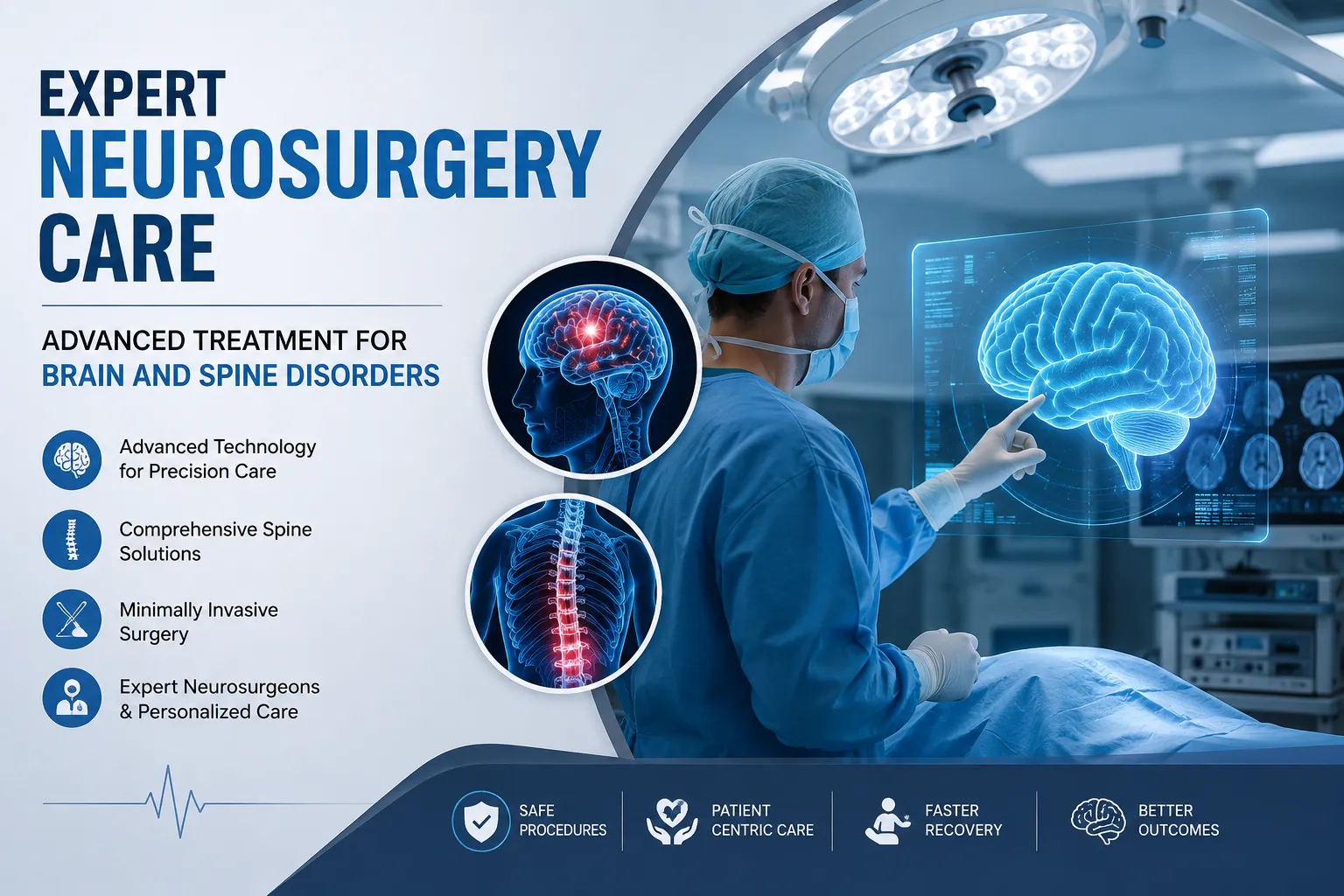
When something goes wrong with the brain or spine, life changes in an instant. Simple tasks like walking, writing, or even holding a conversation can suddenly feel impossible. That's the moment when finding the right medical guidance becomes everything. Choosing the Best Neurosurgery Hospital in Jaipur isn't just about picking a name off a list; it's about trusting someone with the most delicate systems in your body. This blog looks at what modern neurosurgery actually involves, why early diagnosis matters so much, and how advanced treatment options are changing outcomes for patients dealing with brain and spine disorders.
Understanding Neurosurgery: More Than Just Brain Surgery
Most people hear "neurosurgery" and immediately picture brain operations. But the field is far broader than that. Neurosurgeons treat conditions affecting the brain, spinal cord, spine, and peripheral nerves. This includes everything from tumors and aneurysms to slipped discs, spinal stenosis, and nerve compression injuries.
The nervous system controls almost every function in the body, which means even a small issue in the brain or spine can create widespread problems. A pinched nerve in the lower back might cause pain that travels down the leg. A tiny blood vessel abnormality in the brain could lead to sudden, severe headaches or worse. Neurosurgeons are trained to identify these connections and treat the root cause, not just the symptoms.
Common Brain and Spine Disorders That Need Expert Attention
There's a long list of conditions that fall under neurosurgical care, and understanding them helps patients know when to seek help.
Brain-related conditions often include tumors (both benign and malignant), aneurysms, hemorrhages, hydrocephalus, and traumatic brain injuries from accidents or falls. Some patients also deal with movement disorders like Parkinson's disease, which can sometimes be managed through surgical intervention when medication alone isn't enough.
Spine-related conditions are even more common in daily practice. Herniated discs, degenerative disc disease, spinal stenosis, scoliosis, and spondylolisthesis are frequently seen across age groups. Many of these start as mild discomfort and get dismissed for months before patients finally seek professional help, often when the pain has become unbearable or mobility has started slipping away.
Nerve-related issues, such as sciatica or carpal tunnel syndrome, also sometimes require surgical correction when conservative treatments fail to bring relief.
Why Early Diagnosis Changes Everything
One thing that separates a good outcome from a difficult one is timing. Brain and spine disorders don't always announce themselves loudly. A slight tingling in the hand, occasional dizziness, or mild back stiffness can easily be brushed off as tiredness or stress. But these small signals sometimes point to something that needs medical attention before it worsens.
Delayed diagnosis often means the condition has progressed further, making treatment more complex and recovery slower. This is exactly why neurosurgeons emphasize regular checkups for anyone experiencing persistent neurological symptoms, no matter how minor they seem at first. Catching a tumor early, identifying a herniated disc before nerve damage sets in, or spotting an aneurysm before it ruptures can be the difference between a straightforward procedure and a life-altering emergency.
Advanced Treatment Approaches Reshaping Neurosurgery
Neurosurgery today looks completely different from what it did even a decade ago. Technology has pushed the field toward precision, safety, and faster recovery times.
Minimally Invasive Surgery
Gone are the days when every spine or brain surgery meant large incisions and lengthy hospital stays. Minimally invasive techniques now allow surgeons to access affected areas through tiny incisions using specialized instruments and cameras. This approach reduces blood loss, lowers infection risk, and significantly shortens recovery time. Patients who once faced weeks of bed rest are now walking within days of certain procedures.
Image-Guided Navigation
Modern neurosurgery relies heavily on imaging technology like MRI, CT scans, and real-time navigation systems during operations. These tools act almost like a GPS for surgeons, helping them locate exact positions within the brain or spine with extreme accuracy. This reduces the margin for error and protects healthy tissue surrounding the affected area.
Endoscopic Techniques
Endoscopic neurosurgery has become particularly useful for treating pituitary tumors and certain spinal conditions. Surgeons insert a thin tube with a camera through natural openings or small incisions, allowing them to operate without disturbing surrounding structures. This technique has made procedures that once required extensive cutting far less invasive.
Robotic-Assisted Surgery
Robotic systems are increasingly being used to assist surgeons in spine procedures, offering enhanced precision especially when placing screws or implants. The robot doesn't replace the surgeon's judgment but supports it, allowing for more accurate placement and reduced surgical time.
Stereotactic Radiosurgery
For certain brain tumors or vascular malformations, stereotactic radiosurgery offers a non-invasive alternative to traditional surgery. This technique delivers focused radiation beams directly to the affected area, avoiding the need for incisions altogether. It's particularly valuable for patients whose conditions make traditional surgery riskier.
The Role of a Multidisciplinary Team
Neurosurgery rarely happens in isolation. Behind every successful surgery is a team that includes neurologists, radiologists, anesthesiologists, physiotherapists, and specialized nursing staff. Each plays a role in ensuring the patient's journey, from diagnosis through recovery, goes as smoothly as possible.
Pre-surgical evaluation often involves detailed imaging and neurological testing to understand exactly what's happening and how best to approach it. Post-surgical care is just as important, with physiotherapy and rehabilitation playing a huge part in helping patients regain strength, mobility, and independence.
This collaborative approach matters because brain and spine conditions often affect more than just the physical body. Patients may experience anxiety, fear, or emotional strain alongside their physical symptoms. A good treatment team addresses all of this, not just the surgical component.
What Patients Should Look For When Choosing Care
Given how sensitive these procedures are, patients naturally want reassurance before committing to treatment. A few things worth considering include the hospital's surgical infrastructure, availability of advanced imaging and diagnostic tools, the experience level of the surgical team, and post-operative rehabilitation support.
It also helps to ask direct questions during consultations. What are the risks involved? What alternatives exist besides surgery? What does recovery typically look like for this specific condition? A transparent medical team will walk patients through these details without rushing the conversation or dismissing concerns.
Patient comfort matters too. Facilities that combine advanced technology with a compassionate, communicative approach tend to see better outcomes, not just medically but emotionally. Feeling heard and understood during a stressful diagnosis makes an enormous difference in how patients cope with treatment.
Recovery and Long-Term Outlook
Recovery from neurosurgical procedures varies widely depending on the condition treated and the technique used. Minimally invasive spine surgeries might have patients back to light activity within a couple of weeks, while more complex brain surgeries could require months of gradual rehabilitation.
Physiotherapy often plays a central role in recovery, particularly for spine surgeries where rebuilding strength and flexibility is essential. Regular follow-up appointments help track healing progress and catch any complications early. Most patients find that with proper care and adherence to recovery guidelines, they can return to normal or near-normal function over time.
Long-term outlook has improved dramatically thanks to advances in surgical technique and post-operative care. Conditions that once carried significant risk of permanent disability are now often treatable with much better functional outcomes.
Final Thoughts
Brain and spine disorders can feel overwhelming, both for patients and their families. But modern neurosurgery has come a long way in offering safer, more precise, and less invasive treatment options than what existed even a generation ago. From advanced imaging to robotic assistance and minimally invasive techniques, the tools available today are helping patients recover faster and live fuller lives after treatment.
If you or someone close to you is dealing with persistent neurological symptoms, don't wait for things to get worse before seeking help. Early consultation with a skilled neurosurgical team can make all the difference in outcomes. For anyone searching for reliable, technologically advanced, and compassionate care, connecting with the Neurosurgery Hospital in Jaipur is a solid first step toward getting the right answers and the right treatment plan.