Event Management Company in Dubai: 12 Common Mistakes
25 Views
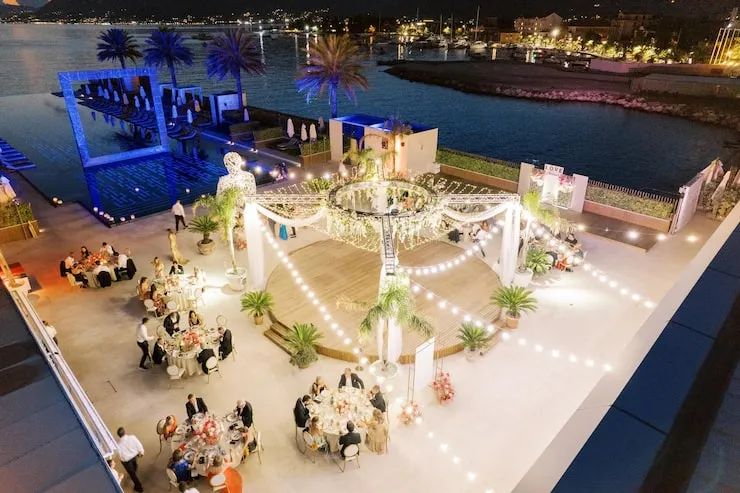
Even a well-funded event can encounter issues due to hastily planned details and overlooked aspects of the event.
Working with an experienced event management company in Dubai can help streamline the process while also pointing out potential dangers and problems.
12 Common Event Planning Mistakes to Avoid
1. Setting No Objective
Any given event should have a specific goal.
Before planning begins, it is important to determine what the event is expected to achieve. A clear objective can help guide decisions related to the venue, audience, activities, entertainment, and overall event structure.
2. Not Setting a Realistic Budget
Any given event, if it has no realistic budget, will see expenses balloon out of control.
A realistic budget helps keep spending organized and allows the event team to allocate resources across important areas such as the venue, production, entertainment, catering, branding, and logistics.
3. Poor Venue Selection
The venue should account for the audience, the size of the event, the type of event being held, and the amount of production happening.
The right venue should also provide suitable facilities for guest movement, seating, registration, technical equipment, and other event requirements.
4. Inadequate Production Planning
The production, including sound, lighting, staging, screens, video, and other equipment, must be installed and tested ahead of time.
Proper production planning can help identify technical requirements early and reduce the possibility of avoidable problems during the event.
5. Poor Crowd Flow
Registration, seating arrangements, entrances, exits, food stations, and active areas should all be taken into account when planning the event and its logistics.
A well-planned layout can make it easier for attendees to move around the venue without unnecessary congestion or confusion.
6. Ineffective Supplier Communication
All suppliers must understand their responsibilities, as well as any deadlines they may have.
Clear communication between the event management team and suppliers helps ensure that equipment, services, deliveries, and setup are completed according to schedule.
7. Lack of Contingency Planning
The contingency planning process should take into account all of the previous steps, as well as any unforeseen circumstances that may arise during the event.
Having alternative arrangements for important parts of the event can help the team respond more effectively when unexpected situations occur.
8. Having Too Many Activities
Having a packed schedule can cause events to feel rushed, overwhelming, and disjointed.
Every activity should have a purpose and fit naturally into the overall event schedule. Allowing enough time between sessions, presentations, entertainment, and other activities can create a smoother experience.
9. Choosing Entertainment That Is Unsuitable
Entertainment should be chosen based on the event’s objective and audience.
The right entertainment should complement the event rather than distract from its main purpose. Factors such as audience demographics, event format, theme, and schedule should be considered.
10. Not Utilizing Brand Assets Effectively
Careful use of brand assets can go a long way in boosting an event, as well as leaving a lasting impression on attendees.
Branding can be incorporated into stages, screens, signage, registration areas, promotional materials, and other suitable parts of the event.
11. Not Thinking About Post-Event Content
Photos and videos can help turn a one-time event into a continuously viewed media piece that will help drive the event’s message forward in the future.
Professional event photography and videography can provide content for websites, social media, marketing campaigns, and future promotional activities.
12. Not Analyzing the Event
Reviewing what went well and what didn’t will highlight areas of improvement and note what should be done again in the future.
Post-event analysis can cover guest feedback, attendance, event execution, production, entertainment, branding, and other relevant areas.
Frequently Asked Questions
What Is the Most Challenging Aspect of Event Planning?
The most challenging aspect of event planning will differ from event to event, depending on the event’s size, format, venue, budget, and timeline.
How Can I Reduce the Likelihood That My Event Will Have Issues?
More thorough planning, communication, contingency planning, and professional coordination can significantly reduce the likelihood of issues during the event.
Why Is Post-Event Analysis Essential?
The analysis of an event after it has concluded can highlight both positive and negative aspects, as well as areas of improvement and what should be repeated in the future.
Conclusion
Event management is all about organization, coordination, communication, and attention to detail. Making fewer common mistakes tends to make the whole process more controlled and less stressful, resulting in a better overall experience for everyone involved.
HS Media World offers event management, production, entertainment, promotions, and much more in Dubai, UAE.
Related Reading
Why Lifestyle & Culture is Transforming the Global Industry Landscape
Welcome to our in-depth exploration of Lifestyle & Culture. In an era define...
Expert Insights: Navigating the Complex World of Lifestyle & Culture
Welcome to our in-depth exploration of Lifestyle & Culture. In an era define...