Estate Planning Strategies for Valuable Collections
By Mark Wilson
58 Views
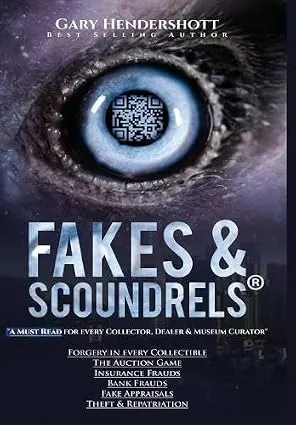
Building a historical collection often requires many years of dedication, research, and careful decision-making. A collection may include fine art, historical manuscripts, coins, military artifacts, or other important historical objects that represent a lifetime of interest and learning. In FAKES AND SCOUNDRELS, Gary Lynn Hendershott explains that collecting is not only about acquiring historical objects. It is also about planning for their future. One of the important subjects discussed in the book is Estate Planning, which helps collectors prepare for what happens to their collections after they are no longer able to manage them.
Drawing from more than fifty years of experience in the historical collectibles market, the author explains that responsible collectors must think beyond the present. Proper planning, organized documentation, and clear decisions help ensure that collections remain protected and their historical value continues for future generations.
Why Estate Planning Matters for Collectors
Throughout FAKES AND SCOUNDRELS, the author emphasizes that collectors are temporary custodians of history. Every collection carries stories, ownership records, and historical information that deserve careful preservation.
Without proper planning, valuable collections may become difficult for family members, museums, or future collectors to understand. Important documentation may become separated from the objects, and the history connected to a collection may become unclear.
The book encourages collectors to begin Estate Planning early so their collections can continue to be appreciated and preserved.
Documentation Is the Foundation of Planning
One of the strongest themes throughout the book is the importance of documentation. Accurate records help explain what a collection contains, where objects came from, and why they hold historical significance.
Collectors should maintain:
- Bills of sale.
- Provenance records.
- Purchase receipts.
- Auction invoices.
- Collection inventories.
- Historical photographs.
These documents provide valuable information for family members, museums, researchers, and future collectors. Proper documentation also helps make Estate Planning more organized because it provides a clear record of every important historical object.
The author explains that preserving records is part of preserving the collection itself.
Complete Inventories Help Protect Collections
As collections grow, organization becomes increasingly important. A complete inventory allows collectors and future caretakers to understand exactly what exists within a collection.
The book explains that collectors should maintain accurate records of their historical objects, including important details about ownership history, documentation, and supporting information.
A well-organized inventory helps prevent confusion and makes future decisions easier. Whether a collection remains within a family, is donated to a museum, or is transferred to another collector, complete records provide valuable guidance.
Provenance Remains Important
Another major topic throughout FAKES AND SCOUNDRELS is provenance. Provenance explains the history of ownership behind a collectible and provides important context about its journey through time.
When planning the future of a collection, provenance becomes especially valuable. Future owners, museums, and researchers benefit from understanding where historical objects came from and how they reached their current place.
Collectors should preserve:
- Previous ownership records.
- Auction documentation.
- Published references.
- Exhibition history.
- Historical information.
Strong provenance supports responsible ownership and helps maintain the historical significance of every object.
Planning for Future Generations
The author explains that collections often continue beyond the lifetime of the original collector. Family members, museums, and other collectors may eventually become responsible for preserving those objects.
Thoughtful Estate Planning allows collectors to make decisions about the future of their collections rather than leaving uncertain situations for others to resolve.
The book discusses the importance of considering options such as family transfers, museum donations, and other collection arrangements. Clear planning helps ensure that valuable historical objects continue to be preserved.
Museum Donations and Collection Preservation
Another important subject discussed in FAKES AND SCOUNDRELS is museum donations. Some collectors choose to preserve historically significant objects by donating them to museums or institutions where they can be studied and appreciated.
Proper documentation, appraisals, and organized records all contribute to successful collection transfers. The author explains that planning ahead helps both collectors and institutions understand the historical importance of donated objects.
A carefully prepared collection can continue educating future generations.
Avoid Leaving Important Decisions Unfinished
The book encourages collectors not to delay important planning decisions. A lifetime of collecting deserves thoughtful preparation to protect both the objects and the history connected to them.
Collectors should regularly review their records, update inventories, and ensure that important documentation remains organized.
Good planning provides confidence because it allows collectors to know that their collections will continue receiving proper care.
Practical Estate Planning Habits for Collectors
FAKES AND SCOUNDRELS encourages collectors to develop responsible habits.
- Maintain complete collection inventories.
- Preserve provenance records.
- Organize bills of sale and receipts.
- Keep documentation with each collectible.
- Review collection plans regularly.
- Consider future ownership carefully.
- Prepare records for family members or institutions.
These practices help protect collections while preserving their historical significance.
Final Thoughts
FAKES AND SCOUNDRELS explains that Estate Planning is an essential part of responsible collecting. Building a valuable collection requires dedication, but protecting that collection for the future requires careful preparation. Documentation, provenance, inventories, and thoughtful decisions all help ensure that historical objects remain connected to their stories.
Gary Lynn Hendershott reminds collectors that their responsibility extends beyond ownership. They preserve history for future generations. Through proper Estate Planning, collectors can protect their collections, support future research, and ensure that the historical significance of their objects continues long after they are gone. A well-planned collection becomes more than a personal achievement. It becomes a lasting contribution to the preservation of history.
Related Reading
Top 10 Hidden Secrets About Business & Finance You Need to Know
Welcome to our in-depth exploration of Business & Finance. In an era defined...
Why Business & Finance is Transforming the Global Industry Landscape
Welcome to our in-depth exploration of Business & Finance. In an era defined...