Essential Features Every Healthcare App Should Include Today
112 Views
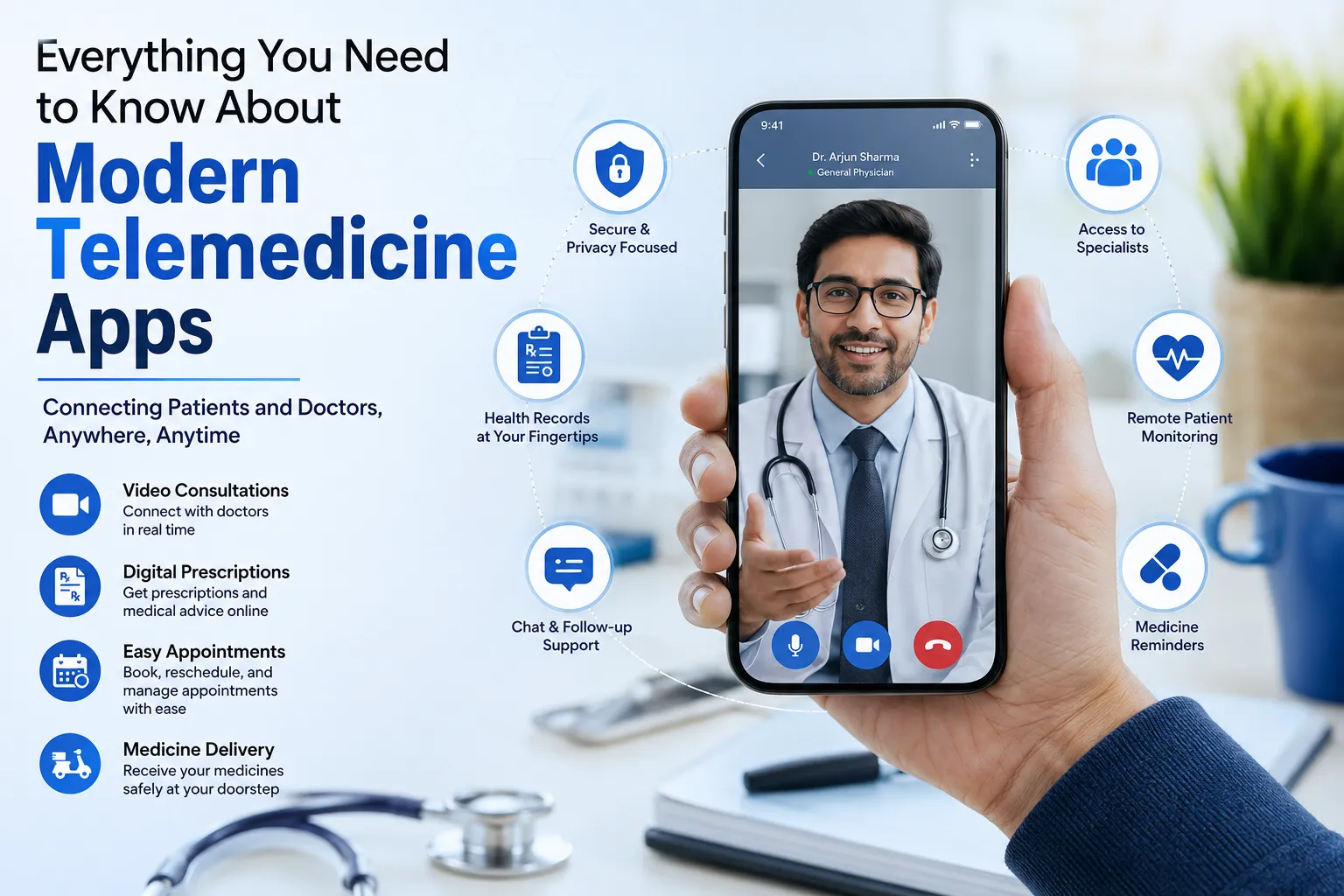
Healthcare applications have become a critical part of modern patient care, enabling users to access medical services, manage health records, and communicate with providers from virtually anywhere. As digital health adoption continues to accelerate, expectations for healthcare apps are higher than ever. Users now demand secure, convenient, and personalized experiences that support their healthcare journey. Whether designed for patients, providers, or healthcare organizations, successful applications must combine usability, compliance, and advanced functionality to deliver meaningful value in an increasingly connected healthcare ecosystem.
Key Healthcare Statistics Highlighting Digital Adoption Trends
The growing reliance on digital healthcare solutions is supported by several notable industry trends:
- Millions of patients now use mobile health applications for appointment scheduling, medication reminders, and health monitoring.
- Telemedicine adoption has increased significantly, making remote consultations a standard component of healthcare delivery.
- Wearable devices continue to generate large volumes of health data that can be integrated into healthcare platforms.
- Healthcare providers increasingly rely on digital records to improve operational efficiency and patient outcomes.
- Artificial intelligence is becoming more common in clinical support, diagnostics, and patient engagement systems.
These trends demonstrate why healthcare apps must evolve continuously to meet changing patient expectations and industry requirements.
Secure Patient Data Management for Privacy and Compliance
Data security remains one of the most important features of any healthcare application. Healthcare platforms handle highly sensitive information, including medical histories, prescriptions, diagnostic reports, and insurance details. Any security breach can compromise patient trust and create serious regulatory consequences.
A healthcare app should include:
- End-to-end encryption
- Multi-factor authentication
- Secure cloud storage
- Role-based access controls
- Automatic session timeouts
- Data backup and recovery mechanisms
Beyond technical safeguards, developers must ensure compliance with applicable healthcare regulations and privacy standards. Strong governance policies help protect patient information while supporting authorized access by healthcare professionals.
Organizations seeking digital healthcare solutions often rely on a qualified healthcare app development company to implement security frameworks that align with industry requirements and evolving cybersecurity threats.
Seamless Appointment Scheduling and Virtual Consultation Tools
Convenience is a major reason patients use healthcare applications. Scheduling appointments through traditional phone-based systems can be time-consuming and inefficient. Modern healthcare apps simplify this process through automated booking capabilities.
Essential scheduling features include:
- Real-time calendar availability
- Appointment confirmation notifications
- Rescheduling options
- Cancellation management
- Waitlist functionality
- Provider selection filters
Telemedicine functionality is equally important. Virtual consultations enable patients to connect with healthcare providers without visiting a clinic or hospital.
Effective virtual care features include:
- Secure video conferencing
- In-app messaging
- File sharing
- Electronic prescriptions
- Consultation summaries
These capabilities improve accessibility while reducing travel time and operational burdens for healthcare providers.
Intelligent Health Records Access Across Care Touchpoints
Electronic health records have transformed the way medical information is stored and shared. Healthcare apps should provide patients with secure access to their medical history while enabling authorized providers to retrieve critical information quickly.
A comprehensive health records module should allow users to:
- View test results
- Access treatment histories
- Download medical reports
- Review vaccination records
- Monitor chronic conditions
- Track prescription information
Interoperability is especially important. Healthcare systems often operate across multiple providers, laboratories, and clinics. Seamless data exchange helps reduce duplicate testing, improve treatment accuracy, and enhance continuity of care.
When implemented effectively, integrated health records empower patients to become active participants in managing their health while supporting more informed clinical decisions.
Medication Tracking Features That Improve Treatment Adherence
Medication non-adherence remains a significant challenge across healthcare systems worldwide. Missed doses, incorrect usage, and forgotten prescriptions can negatively impact treatment outcomes and increase healthcare costs.
Healthcare applications can address this challenge through intelligent medication management tools.
Important capabilities include:
- Automated dosage reminders
- Refill notifications
- Prescription tracking
- Medication history logs
- Drug interaction alerts
- Caregiver monitoring support
Some advanced applications also use analytics to identify adherence patterns and provide personalized recommendations. These insights can help patients maintain treatment consistency and achieve better long-term outcomes.
The value of medication management becomes even greater for individuals managing chronic illnesses that require multiple prescriptions and ongoing monitoring.
Real Time Health Monitoring Using Connected Medical Devices
The integration of connected devices has significantly expanded the capabilities of healthcare applications. Wearables and remote monitoring tools provide continuous streams of health data that can support proactive care.
Common connected devices include:
- Smartwatches
- Blood pressure monitors
- Glucose monitoring systems
- Pulse oximeters
- Heart rate trackers
- Sleep monitoring devices
Healthcare apps should be capable of collecting, organizing, and presenting this information in a user-friendly format. Real-time monitoring allows healthcare providers to identify potential concerns earlier and intervene when necessary.
Data visualization dashboards can help users understand trends over time and make informed lifestyle decisions. This functionality is particularly valuable for chronic disease management, preventive care, and post-treatment recovery programs.
Many organizations collaborate with a healthcare app development company to ensure seamless device integration and reliable data synchronization across multiple platforms.
Personalized Wellness Features Supporting Better Daily Habits
Healthcare applications are increasingly moving beyond treatment-focused functionality toward preventive health and lifestyle improvement. Personalized wellness features encourage users to adopt healthier behaviors and maintain long-term engagement.
Useful wellness-focused capabilities include:
- Daily activity tracking
- Nutrition monitoring
- Hydration reminders
- Sleep analysis
- Goal setting
- Progress reporting
Personalization enhances effectiveness by tailoring recommendations to individual user needs and preferences. Data-driven insights can help users understand how lifestyle choices influence overall health outcomes.
The growing popularity of wellness app development reflects the increasing demand for digital solutions that support preventive care and healthier living. By helping users build positive habits, healthcare applications can contribute to improved quality of life and reduced healthcare risks.
Mental Health Support Tools for Continuous User Engagement
Mental health has become an essential component of comprehensive healthcare. Modern healthcare applications should include features that support emotional well-being alongside physical health management.
Potential mental health features include:
- Mood tracking journals
- Guided meditation sessions
- Stress assessment tools
- Cognitive wellness exercises
- Digital therapy support
- Crisis resource access
These tools can help users monitor emotional health and identify patterns that may require professional attention. Consistent engagement with mental wellness resources can contribute to better self-awareness and improved coping strategies.
The rise of mental health app development demonstrates the growing recognition of psychological well-being as a fundamental aspect of overall health. Integrating these capabilities within healthcare applications creates a more holistic user experience.
AI Driven Insights and Predictive Analytics for Better Care
Artificial intelligence is rapidly becoming a transformative force in healthcare technology. AI-powered features can enhance patient experiences, streamline workflows, and support clinical decision-making.
Common applications of AI include:
- Symptom assessment
- Personalized recommendations
- Risk prediction models
- Automated patient support
- Health trend analysis
- Clinical workflow optimization
Predictive analytics can identify potential health concerns before they become severe, enabling earlier interventions and better outcomes. AI can also help healthcare organizations manage resources more efficiently while reducing administrative burdens.
However, transparency remains critical. Users should understand how recommendations are generated, and healthcare providers must maintain oversight when AI-assisted decisions influence patient care.
A knowledgeable healthcare app development company can help organizations implement AI responsibly while maintaining accuracy, compliance, and user trust.
User Experience Design That Encourages Long Term Adoption
Even the most advanced healthcare application can fail if users find it difficult to navigate. User experience design plays a crucial role in adoption, engagement, and satisfaction.
Key user experience considerations include:
- Simple navigation structures
- Accessible interfaces
- Fast loading speeds
- Consistent design patterns
- Clear content organization
- Inclusive accessibility features
Healthcare users represent diverse demographics, including older adults, patients with disabilities, and individuals with limited technical knowledge. Applications must be designed with these varied needs in mind.
The increasing demand for fitness app development also highlights the importance of intuitive interfaces that encourage regular interaction. When users can easily access information and complete tasks, they are more likely to continue using the application and benefit from its features.
Building Future Ready Digital Healthcare Experiences for Users
Healthcare applications have evolved from simple information tools into comprehensive digital health ecosystems. Modern users expect secure access to records, convenient appointment management, virtual consultations, medication support, real-time monitoring, personalized wellness guidance, mental health resources, intelligent analytics, and intuitive user experiences. As healthcare technology continues to advance, applications that successfully balance functionality, security, accessibility, and patient-centered design will play a vital role in improving healthcare delivery and supporting better outcomes for individuals and providers alike.