Emergency Tree Removal: What Every Property Owner Should Know
By James Max
98 Views
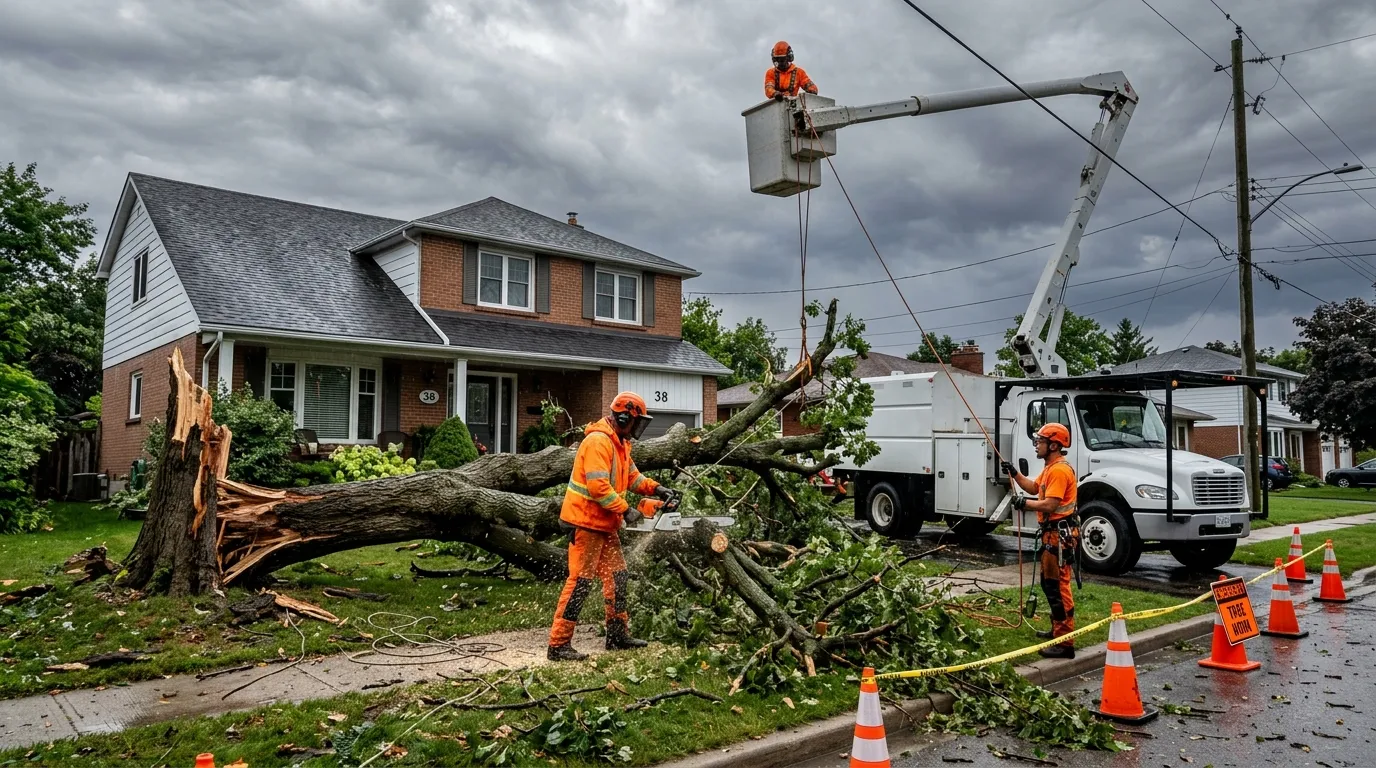
Trees enhance the beauty and value of any property, but they can quickly become dangerous during severe weather or due to disease, decay, or structural damage. When a tree threatens your home, business, or the safety of people nearby, emergency tree removal becomes essential. Acting quickly and relying on experienced professionals can prevent injuries, reduce property damage, and restore safety.
In this guide, we'll explain what emergency tree removal is, when it's needed, and why hiring professionals is always the safest option.
What Is Emergency Tree Removal?
Emergency tree removal is the immediate removal of a tree or large branches that pose an imminent risk to people, buildings, vehicles, or utility lines. Unlike scheduled tree maintenance, emergency services are performed as quickly as possible to eliminate hazardous situations.
Professional tree removal companies use specialized equipment and proven safety procedures to remove dangerous trees while minimizing additional damage. Emergency situations commonly involve storm-damaged trees, uprooted trees, split trunks, or large limbs hanging over structures. Professional crews first assess the hazards before removing the tree in controlled sections to ensure everyone's safety.
Common Situations That Require Emergency Tree Removal
Not every damaged tree needs immediate removal, but certain conditions require urgent attention.
1. Storm-Damaged Trees
High winds, heavy rain, snow, or lightning can weaken trees, causing them to lean, split, or fall unexpectedly.
2. Trees Leaning Toward Structures
A tree that suddenly begins leaning toward your home, garage, or commercial building may indicate root failure and should be inspected immediately.
3. Fallen Trees Blocking Access
Trees that block driveways, roads, or emergency exits create safety hazards and often require immediate removal.
4. Trees Touching Power Lines
If a tree has fallen onto electrical lines or is dangerously close to them, never attempt to remove it yourself. Contact your utility provider and a professional tree removal service immediately.
5. Cracked or Split Tree Trunks
Large vertical cracks or partially split trunks often indicate structural failure that could cause the tree to collapse without warning.
Warning Signs You Should Never Ignore
Sometimes trees provide warning signs before they fail completely. Watch for:
- Large dead or hanging branches
- Fresh cracks in the trunk
- Mushrooms or fungal growth around the base
- Exposed or lifting roots
- Sudden leaning after heavy rainfall
- Hollow sections within the trunk
- Soil movement around the root system
Early detection can help prevent costly emergencies.
What To Do During a Tree Emergency\
If you notice a dangerous tree, follow these important steps:
Stay Away
Keep family members, pets, and neighbors away from the affected area.
Avoid DIY Removal
Storm-damaged trees are unpredictable. Internal pressure within branches and trunks can cause sudden movement during cutting.
Watch for Power Lines
Never approach trees touching electrical wires. Contact your utility company immediately.
Document the Damage
Take photographs from a safe distance for insurance purposes.
Contact Professionals
Call an experienced emergency tree removal company that has the equipment, insurance, and expertise to safely remove hazardous trees.
Why Professional Emergency Tree Removal Matters
Emergency tree removal is one of the most dangerous types of tree work. Professionals are trained to assess risks, stabilize damaged trees, and safely remove them using cranes, rigging systems, chainsaws, and specialized climbing equipment.
Hiring professionals provides several benefits:
- Faster emergency response
- Reduced risk of injury
- Protection of nearby structures
- Proper cleanup and debris removal
- Insurance-compliant work
- Safe handling around power lines and confined spaces
Attempting to remove large damaged trees without proper training can result in severe injuries and additional property damage.
The Emergency Tree Removal Process
Most professional companies follow a structured approach:
Initial Assessment
Experts inspect the tree, surrounding structures, and potential hazards.
Safety Planning
The work area is secured to protect nearby people and property.
Controlled Tree Removal
The tree is dismantled section by section using specialized equipment.
Debris Cleanup
Branches, logs, and debris are removed from the site.
Final Inspection
The area is inspected to ensure no remaining hazards exist.
How to Prevent Future Tree Emergencies
Although emergencies cannot always be avoided, regular tree maintenance greatly reduces the risk.
Helpful preventive measures include:
- Annual tree inspections
- Routine pruning
- Removing dead or diseased branches
- Monitoring trees after severe storms
- Improving soil health around root systems
- Removing hazardous trees before they fail
Preventive maintenance is often much less expensive than emergency removal and property repairs.
Choosing the Right Emergency Tree Removal Service
When selecting a tree removal company, look for:
- Licensed and insured professionals
- Experience with emergency response
- Modern equipment
- Positive customer reviews
- Fast response times
- Transparent pricing
Working with qualified experts ensures the job is completed safely and efficiently.
Trust Professionals When Every Minute Counts
Tree emergencies can happen without warning, but knowing how to respond can protect your property and loved ones. Whether a tree has fallen after a storm or is showing signs of imminent failure, professional emergency tree removal services provide the expertise needed to resolve dangerous situations safely.
If you're looking for experienced professionals who provide reliable tree care and removal solutions, visit Platinum Bleutls at to learn more about their expert tree services and how they can help keep your property safe throughout the year.
Conclusion
Emergency tree removal is not a job for homeowners. Dangerous trees require specialized knowledge, equipment, and safety procedures to prevent injuries and additional property damage. By recognizing warning signs early and contacting experienced professionals immediately, you can minimize risks and protect your investment.
Regular inspections and preventative tree care remain the best defense against future emergencies, ensuring your landscape stays healthy, beautiful, and safe for years to come.
Related Reading
Expert Insights: Navigating the Complex World of Home Improvement
Welcome to our in-depth exploration of Home Improvement. In an era defined by ra...
Why Home Improvement is Transforming the Global Industry Landscape
Welcome to our in-depth exploration of Home Improvement. In an era defined by ra...