Embroidery Digitizing That Stitches Every Detail
By idigitize
100 Views
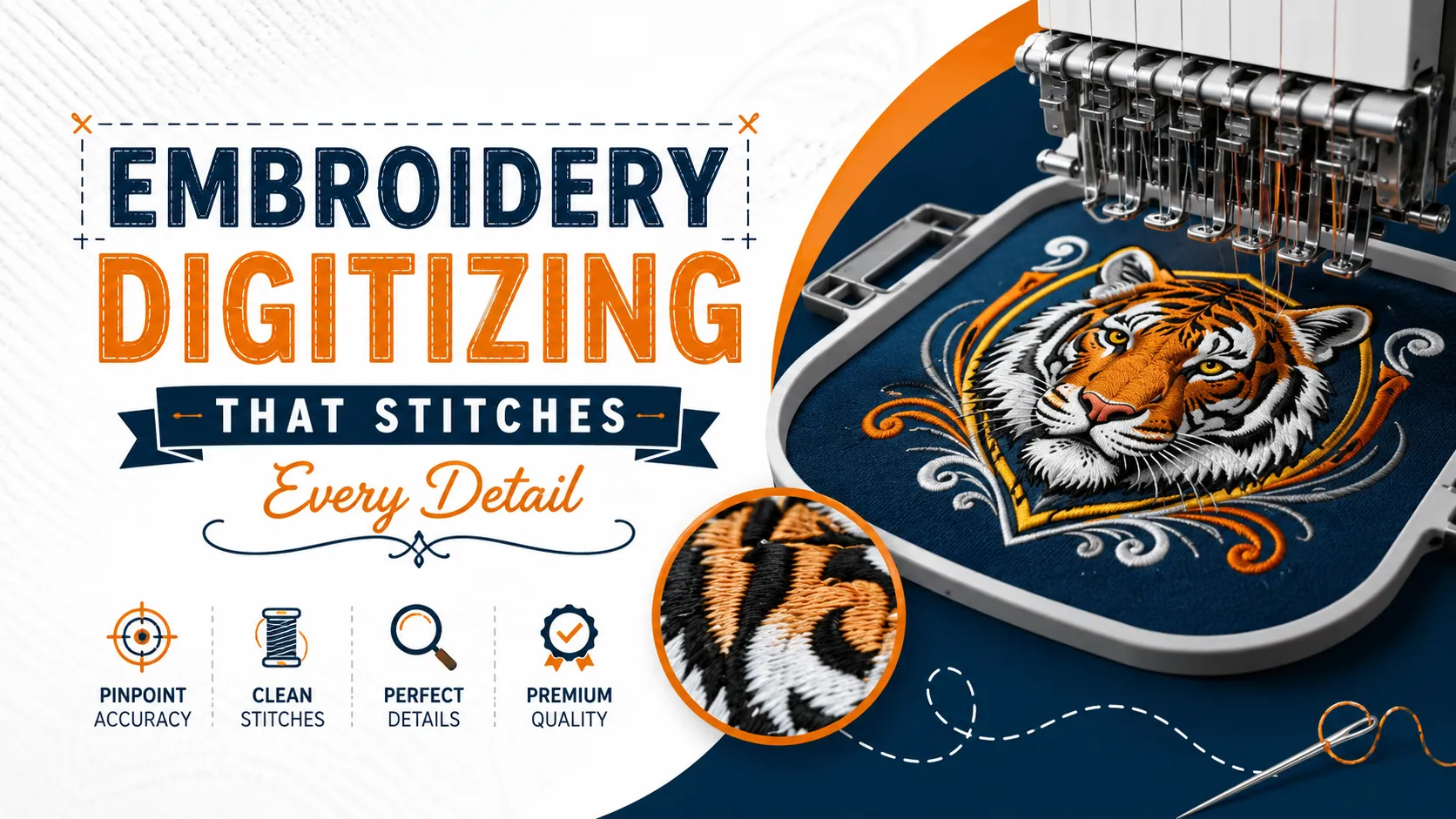
You pick up a jacket. The logo on it looks perfect. Every curve is sharp. Every letter is clean. The threads lie flat and smooth. That's no accident. Behind every great embroidered piece is one thing that makes it all work: embroidery digitizing.
If you've ever wondered how a simple image turns into beautiful stitches on fabric, you're in the right place. And if you need a professional digitizing service that gets every detail right, let's talk about what that really means.
What Is Embroidery Digitizing?
Embroidery digitizing is the process of converting artwork, logos, or designs into a digital file that an embroidery machine can read. The machine follows the file's instructions to place each stitch in the right spot, in the right direction, and at the right density.
This process is not as simple as pressing a button. It takes real skill and a strong understanding of how stitches work on different fabrics. A skilled digitizer decides where each thread starts, how it moves, and where it ends. The result is a file that runs cleanly on any professional embroidery machine.
Why Does Quality Digitizing Matter So Much?
Here's why it matters. A poorly made file can cause thread breaks, uneven stitches, and puckered fabric. It wastes thread, time, and good garments. On the other hand, a well-made file runs smoothly every single time.
Custom embroidery digitizing services are not just about saving artwork. They are about engineering a stitch plan that works perfectly with your specific fabric, machine, and design size. Whether you need digitizing services for embroidery on a polo shirt, cap, jacket, or patch, the quality of the digitized file decides everything.
How Does the Embroidery Digitizing Process Work?
Let's look at the steps a skilled digitizer follows to turn your artwork into a machine-ready file.
Step 1: Reviewing the Artwork
The digitizer first looks at your image. They check the size, colors, level of detail, and where the design will be placed. A logo meant for a left chest placement needs different treatment than a jacket back design. Small text, thin lines, and fine details need extra attention.
Step 2: Choosing the Right Stitch Types
Not all stitches are the same. A professional digitizing service for embroidery uses different stitch types for different parts of a design.
Running stitches work great for fine outlines and small details. Satin stitches are perfect for text and smooth shapes. Fill stitches cover large areas evenly. Knowing which stitch to use where is what separates a great digitizer from an average one.
Step 3: Setting Stitch Density and Underlay
Stitch density controls how tightly stitches are packed together. Too tight, and the fabric stiffens. Too loose, and the design looks thin and gaps show. Getting density right is a careful balance.
Underlay stitches go in first, before the main design. They stabilize the fabric and create a base layer. This stops the top stitches from sinking into the material, especially on textured or stretchy fabrics.
Step 4: Adjusting for Push and Pull
Here's something most people don't know. When an embroidery machine stitches fabric, it naturally pushes and pulls the material in different directions. This can distort a design if the file isn't adjusted correctly. Skilled digitizing services embroidery professionals apply pull compensation to counteract this effect and keep the design looking exactly as intended.
Step 5: Finalizing the Stitch File
Once the design is fully mapped, the file is tested. The digitizer checks for any issues like bird nesting, thread breaks, or misaligned elements. Only after passing quality checks is the file exported in formats like DST, PES, or EMB, ready for your machine.
What Types of Designs Can Be Digitized?
Almost anything can be digitized for embroidery. Here are some of the most common project types.
Logo embroidery digitizing is one of the most popular uses. Businesses need their logos on uniforms, shirts, and hats. Clean and sharp logo digitizing protects a brand's image.
Cap digitizing is a specialized service. Caps have curved surfaces, which makes stitching tricky. The digitizer must adjust the stitch path and angles so the design sits correctly and doesn't shift during stitching.
Jacket back digitizing involves larger, more complex designs. These take more time and require careful planning to ensure even coverage across a wide area.
Custom embroidery patches are another popular option. Patches need tight, clean borders and dense fills to hold their shape over time.
3D puff embroidery adds a raised, dimensional look to designs, commonly used on caps and hats. This technique requires foam underneath the stitches and very precise digitizing.
How IDigitize Delivers Embroidery Digitizing That Stitches Every Detail
When it comes to getting every detail right, IDigitize has built its reputation on exactly that. The team at IDigitize approaches every project with care, treating each file as a creative and technical challenge worth solving properly.
IDigitize offers custom embroidery digitizing services in USA that are crafted by hand, not generated by automatic software. Every stitch path is planned by an experienced digitizer who understands how fabric, thread, and machines all interact. This human touch is what makes IDigitize stand out in a market full of shortcuts.
Clients who need embroidery digitizing services in USA trust IDigitize because they consistently receive files that run without issues on the first try. No constant revisions. No wasted fabric. Just clean, production-ready files delivered fast.
What Makes the Best Embroidery Digitizing Services?
Choosing the right partner for your digitizing needs can feel overwhelming. Here's what sets the best embroidery digitizing services apart from the rest.
Manual digitizing over automatic processing is the biggest difference. Automatic software produces files that look fine on screen but fail on the machine. Real digitizers manually set every stitch, which means better results every time.
Fabric-specific adjustments matter a lot. The best embroidery digitizing service providers in the USA adjust underlay, density, and compensation based on whether you're stitching on denim, knit, fleece, or any other material.
Fast turnaround without sacrificing quality is something good services balance well. Most standard designs are ready within a few hours. Complex designs may take up to 24 hours. The best providers offer rush options for tight deadlines.
Free revisions and format flexibility are signs of a confident provider. If a file needs adjustments, a quality online embroidery digitizing service will fix it without hidden charges.
How to Choose the Right Digitizing Service for Embroidery
Finding the best embroidery digitizing service near you or online doesn't have to be hard. Here are a few things to keep in mind.
Look at their portfolio. Do their samples show clean edges, sharp text, and even fills? These are signs of quality work. Ask about turnaround times and whether rush orders are available. Check if they offer multiple file formats like DST, PES, and EMB so the file works with your machine.
If you need volume work, ask about wholesale pricing. Many of the best embroidery digitizing services in USA offer discounted rates for shops and businesses that place regular orders.
Also, ask if they test their files before sending them. A confident online embroidery digitizing service provider will always verify that a file runs correctly before delivery.
Who Uses Embroidery Digitizing Services?
Almost every industry that uses branded clothing relies on embroidery digitizing services USA providers.
Small businesses use it for uniforms and branded merchandise. Sports teams use it for jerseys and caps. Corporate companies use it for promotional apparel. Schools use it for staff and team clothing. Promotional product companies use it to fulfill large orders. Even individual customers use it for personal gifts and custom clothing items.
The demand for custom embroidery digitizing service has grown steadily, and the need for high-quality, reliable results has never been greater.
Final Thoughts
Great embroidery starts long before the machine ever moves. It starts with great digitizing. Every stitch you see on a finished garment was planned, mapped, and optimized by a skilled digitizer working to make your design look its absolute best.
Whether you run a print shop, manage a clothing brand, or just want a custom piece done right, investing in quality embroidery digitizing services is always worth it. And if you want a partner who treats your design with the same care you do, IDigitize is ready to stitch every detail exactly as you envisioned it.
Frequently Asked Questions
What is embroidery digitizing?
Embroidery digitizing is the process of converting artwork or a logo into a digital stitch file that an embroidery machine can read and execute on fabric.
How long does embroidery digitizing take?
Most standard designs are completed within 2 to 12 hours. Complex designs like jacket backs may take up to 24 hours, and rush options are usually available.
What file formats does an embroidery digitizing service provide?
Professional digitizing services for embroidery typically deliver files in DST, PES, EMB, JEF, and other formats compatible with all major embroidery machine brands.
How much does embroidery digitizing cost?
Pricing varies by design complexity and size. Simple left chest logos can start as low as $7 to $10, while larger or more complex designs may cost more. Many services offer flat-rate pricing.
Can the same digitized file be used on different garments?
Yes, the same file can work across various garments like shirts, polos, and jackets. However, very different placements such as a cap versus a full jacket back may need separate digitized files for the best results.