Education Franchise Under 25 Lakhs: 5 Options (2026)
177 Views
Starting an education business in India can be an attractive opportunity for entrepreneurs who want to build a long-term venture while contributing to the growth of students and communities. However, choosing the right franchise requires more than comparing headline investment figures.
For many investors, ₹25 lakhs is an important budget threshold. It is high enough to access established education models, yet low enough to require careful planning around setup costs, working capital, marketing and operational support.
This guide explores five broad education franchise options that can fit within or around a ₹25 lakh investment range in 2026 and explains what investors should evaluate before making a decision.
Why ₹25 Lakhs Is a Sharper Filter Than ₹50 Lakhs
A ₹50 lakh budget gives investors access to a much wider selection of education businesses, from preschools and coaching centers to larger K-12 and premium education concepts. That makes it difficult to compare opportunities on a like-for-like basis.
A ₹25 lakh budget creates a more useful filter. At this level, investors are generally looking at smaller preschools, skill-development centers, tutoring and study centers, computer or professional training institutes, and selected branded education concepts.
The important question is not simply, “Which franchise costs less than ₹25 lakhs?”
Instead, ask:
“What does the franchisor provide for the investment, and what responsibilities will remain with me?”
Two franchises may have similar entry costs but completely different levels of support, revenue potential and operational complexity.
5 Education Franchise Options Under ₹25 Lakhs
1. Preschool Franchise
Preschools are one of the most established categories within the lower-investment education franchise segment. They can operate from comparatively compact premises and typically serve children in the early-learning age group.
A preschool franchise may include curriculum support, teacher training, branding, classroom guidelines, marketing assistance and operational systems.
Best suited for: Entrepreneurs interested in early childhood education and community-based businesses.
Key considerations: Location, local competition, parent acquisition, teacher quality, safety standards and school infrastructure.
2. Skill Development Franchise
Skill-development and vocational training centers are another option for investors with a budget of up to ₹25 lakhs.
These centers can focus on areas such as accounting, information technology, office applications, professional skills and other employability-oriented programs.
The biggest advantage is that students are often purchasing education with a specific career objective. However, this also means that placement assistance, industry connections and course credibility can have a significant influence on enrollment.
Best suited for: Entrepreneurs looking for a career-oriented education business.
Key considerations: Course demand, certification partners, employer network, placement support, faculty quality and local employment opportunities.
3. Computer and Professional Training Center
Computer education and professional training centers can provide another relatively accessible entry point.
Depending on the franchise, programs may cover accounting software, coding, digital skills, office productivity, design, data-related skills or other career-oriented subjects.
The model can work particularly well in areas with a strong student, graduate or working-professional population.
Best suited for: Investors targeting career-focused learners and professionals.
Key considerations: Technology infrastructure, course updates, trainer capability, certification value and competition from online learning platforms.
4. Tutoring or Study Center
Tutoring and academic support centers can generally operate with a smaller physical footprint than full-scale schools. Their offerings may include school tuition, test preparation, subject-specific coaching or supplementary learning.
The lower infrastructure requirement can make the model attractive, but the business can be highly dependent on local demand and academic results.
Best suited for: Entrepreneurs targeting school students and families in their local market.
Key considerations: Faculty quality, student outcomes, retention, academic calendar, local competition and parent referrals.
5. Education and Career-Focused Training Center
A broader education franchise can combine multiple training programs under one brand. Such a model can provide a more diversified revenue opportunity than a single-course center.
For example, a center may offer accounting, technology, professional development and career-oriented courses to different student segments.
The advantage of diversification is that the center is not dependent on one program. However, investors should verify exactly which courses, certifications, marketing services and operational systems are included in the franchise agreement.
Best suited for: Investors who want a diversified education and training business.
Key considerations: Brand recognition, course portfolio, lead generation, faculty training, placement support and technology systems.
What You Give Up Below ₹25 Lakhs
Low investment does not automatically mean low risk. In many cases, a lower franchise fee means the franchisee takes responsibility for more parts of the business.
1. Lead Generation
Marketing can become a significant recurring expense. Before signing, ask whether the franchisor runs centralized campaigns, provides qualified leads and gives franchisees access to a CRM.
A franchise that provides strong marketing support may be more valuable than one with a lower initial fee but no lead-generation infrastructure.
2. Curriculum Ownership
A recognizable logo does not automatically mean a strong curriculum.
Ask who creates and updates the course material, how frequently programs are revised, what certifications students receive and whether those certifications have meaningful recognition in the relevant industry.
3. Outcome Support
For career-focused education, student outcomes can directly influence future admissions.
Ask whether the franchisor provides placement assistance, employer relationships, interview preparation, career counselling and centralized job opportunities. Do not assume that a general “placement assistance” statement means guaranteed employment.
4. Faculty Capability
Every education center needs capable educators. If the franchise does not provide faculty training, recruitment support or teaching systems, the franchisee may have to build those capabilities independently.
This can increase operating costs and affect student satisfaction.
The Number That Matters: Total Capital Deployed
Do not compare education franchises only by their advertised franchise fee. Calculate the total capital required to open and operate the center.
Before making a decision, examine these five categories:
- Franchise or brand fee: Confirm the license period, inclusions and renewal charges.
- Interiors and fit-out: Check whether classrooms, reception areas, signage and branding are included.
- Equipment and IT: Include computers, furniture, software, networking and other technology requirements.
- Security deposit and royalty: Understand refundable deposits, recurring royalties and other charges.
- Working capital: Budget for rent, salaries, utilities, local marketing and other expenses until enrollment becomes stable.
A franchise advertised at ₹8 lakhs could require substantially more capital after fit-out, equipment, staffing and marketing are added. Conversely, a higher initial investment may include more infrastructure and support.
The correct comparison is therefore total capital deployed versus expected path to break-even, rather than simply the entry fee.
What a ₹20 Lakh Budget Looks Like
If your maximum available capital is ₹20 lakhs, financial discipline becomes even more important.
Spending ₹18–20 lakhs entirely on setup can leave insufficient funds for salaries, rent, marketing and other operating expenses.
A more conservative approach may be to select an opportunity with a lower initial deployment and reserve a meaningful portion of the budget as working capital.
For example, if the setup requires around ₹15 lakhs, retaining approximately ₹5 lakhs for operating expenses may provide more breathing room than spending the entire budget upfront.
The exact requirement will depend on the city, premises, business model, staffing and franchise agreement.
Where ICA Edu Skills Fits Under ₹25 Lakhs
ICA Edu Skills is positioned in the ₹20 lakh to ₹25 lakh investment range, making it relevant for entrepreneurs evaluating education franchises within this budget.
According to the information provided for this opportunity, the required center size is approximately 1,200–1,500 sq. ft., and previous experience in the education sector is not required.
Its support structure is particularly relevant when evaluating what an investor receives beyond the initial franchise investment.
The model highlights:
- Centralized lead-generation support and CRM-based lead management.
- Centrally developed and updated course content.
- Certifications associated with organizations including NSDC, Microsoft, SAP and Zoho, subject to individual program terms.
- Placement assistance supported by an employer database.
- Faculty training, counselling support and operational systems.
- A long operating history and an established center network.
Importantly, investors should verify all current commercial terms, certification arrangements, placement conditions, fees and investment requirements directly with the franchisor before signing an agreement.
Where Edify Schools Fits in the Education Franchise Landscape
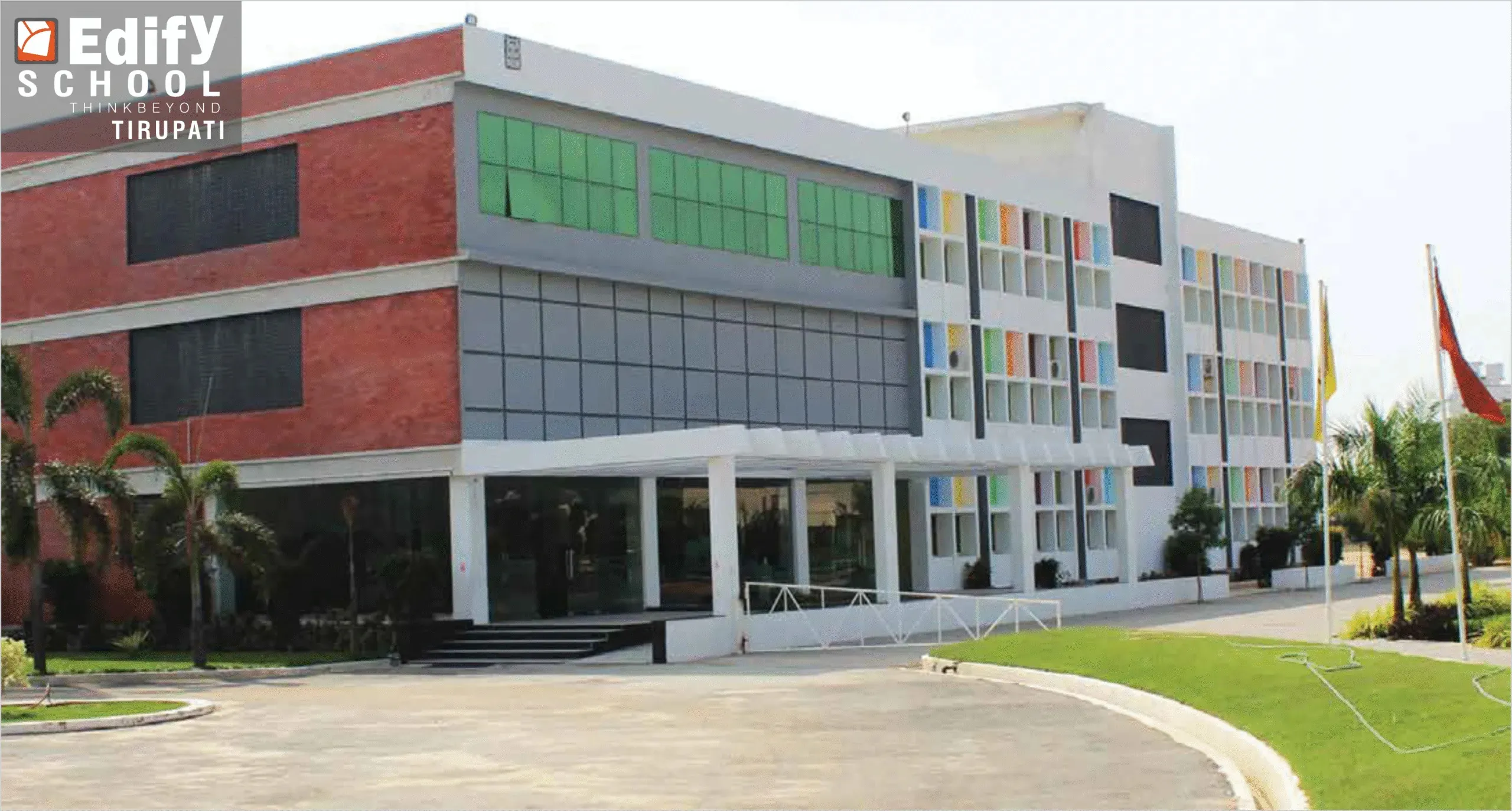
For entrepreneurs whose ambitions extend beyond a small training center and toward building a branded school, Edify Schools represents a different category of education opportunity.
Unlike a small-format training or study center, a school franchise involves a significantly different investment structure, infrastructure requirement, regulatory process, staffing model and long-term operating commitment.
Therefore, investors considering Edify Schools should evaluate it separately from sub-₹25 lakh education franchises rather than comparing the two purely on initial cost.
For entrepreneurs with sufficient land, capital and a long-term vision for K-12 education, a branded school model can provide an opportunity to build a larger education institution under an established framework.
How to Choose the Best Education Franchise Under ₹25 Lakhs
Before selecting any franchise, use the following questions as a practical evaluation framework:
- What is the complete first-year investment, not just the franchise fee?
- How much working capital should be reserved?
- Does the franchisor provide qualified leads?
- Is the curriculum developed and updated centrally?
- What faculty training is provided?
- What certifications do students receive?
- Is placement support available for career-oriented programs?
- What are the royalty and renewal charges?
- What are the expected student acquisition costs?
- Can you speak with existing franchise partners before investing?
The answers can reveal more about the strength of a franchise than its advertised investment range.
Final Verdict: What Is the Best Education Franchise Under ₹25 Lakhs?
The best education franchise under ₹25 lakhs is not necessarily the cheapest franchise.
For a first-time entrepreneur, the stronger opportunity is generally the one that combines manageable initial investment with sufficient working capital and meaningful support in marketing, curriculum, faculty development and operations.
Preschools, tutoring centers, computer institutes, skill-development centers and broader professional training centers can all fall within the under-₹25 lakh category, but they have very different business models.
If your priority is a relatively compact education business, compare the first four categories carefully. If you want a career-focused model, evaluate the strength of the curriculum, certifications and placement ecosystem.
And if your long-term goal is to establish a branded K-12 institution, consider a school franchise such as Edify Schools as a separate strategic investment category rather than simply a low-budget franchise alternative.
Ultimately, total capital deployed, support provided, local demand and working-capital runway should drive your decision—not the headline franchise fee alone.
FAQs
1. Can I start an education franchise with ₹25 lakhs in India?
Yes. Several education models, including preschools, tutoring centers, skill-development institutes and professional training centers, may fall within or around a ₹25 lakh investment range. Actual costs depend on the brand, location, premises and center size.
2. Which education franchise is best under ₹25 lakhs?
There is no single best option for every investor. A skill-development center may suit someone seeking career-focused programs, while a preschool may be more appropriate for someone interested in early childhood education.
3. Is ₹25 lakhs enough to start a school franchise?
A ₹25 lakh budget is generally not comparable to the capital requirements of a full K-12 school franchise. School projects typically require substantially different infrastructure, land, staffing and regulatory planning.
4. What should be included in a ₹25 lakh franchise investment?
Ask whether the quoted investment includes the franchise fee, interiors, equipment, technology, branding, security deposit, training, marketing support and working capital. Always request a detailed cost sheet.
5. Should I spend the entire ₹25 lakhs on setup?
Preferably, do not commit the entire available capital to initial setup without assessing working-capital requirements. Rent, salaries, utilities and marketing can continue for months before enrollment stabilizes.
6. Does a low franchise fee mean lower risk?
Not necessarily. A low fee may mean that more responsibilities are transferred to the franchisee, including marketing, faculty recruitment, curriculum development or student acquisition.
7. Is prior education experience required?
Requirements vary by franchise. Some brands provide training and operating systems that allow first-time entrepreneurs to enter the sector, while others may expect previous education or management experience.
8. What is more important: brand name or franchisor support?
Both matter, but support can have a major effect on execution. Lead generation, curriculum, faculty training, technology, counselling and operational assistance should be evaluated alongside brand recognition.
9. What should I check before signing an education franchise agreement?
Review the complete investment, agreement term, renewal fees, royalty, territory rights, infrastructure requirements, marketing commitments, training, curriculum, exit clauses and all claims related to student outcomes or placements.
10. Is Edify Schools an education franchise option?
Edify Schools operates in the branded school-education segment and should be evaluated as a school franchise opportunity rather than compared directly with low-cost training-center franchises. Visit Edify Schools to learn more about its education philosophy and school franchise offering.
Related Reading
Expert Insights: Navigating the Complex World of Education & Learning
Welcome to our in-depth exploration of Education & Learning. In an era defin...
Why Education & Learning is Transforming the Global Industry Landscape
Welcome to our in-depth exploration of Education & Learning. In an era defin...