Earlobe Correction Surgery: Does It Restore Neat Ear Design?
By royal clinic
14 Views
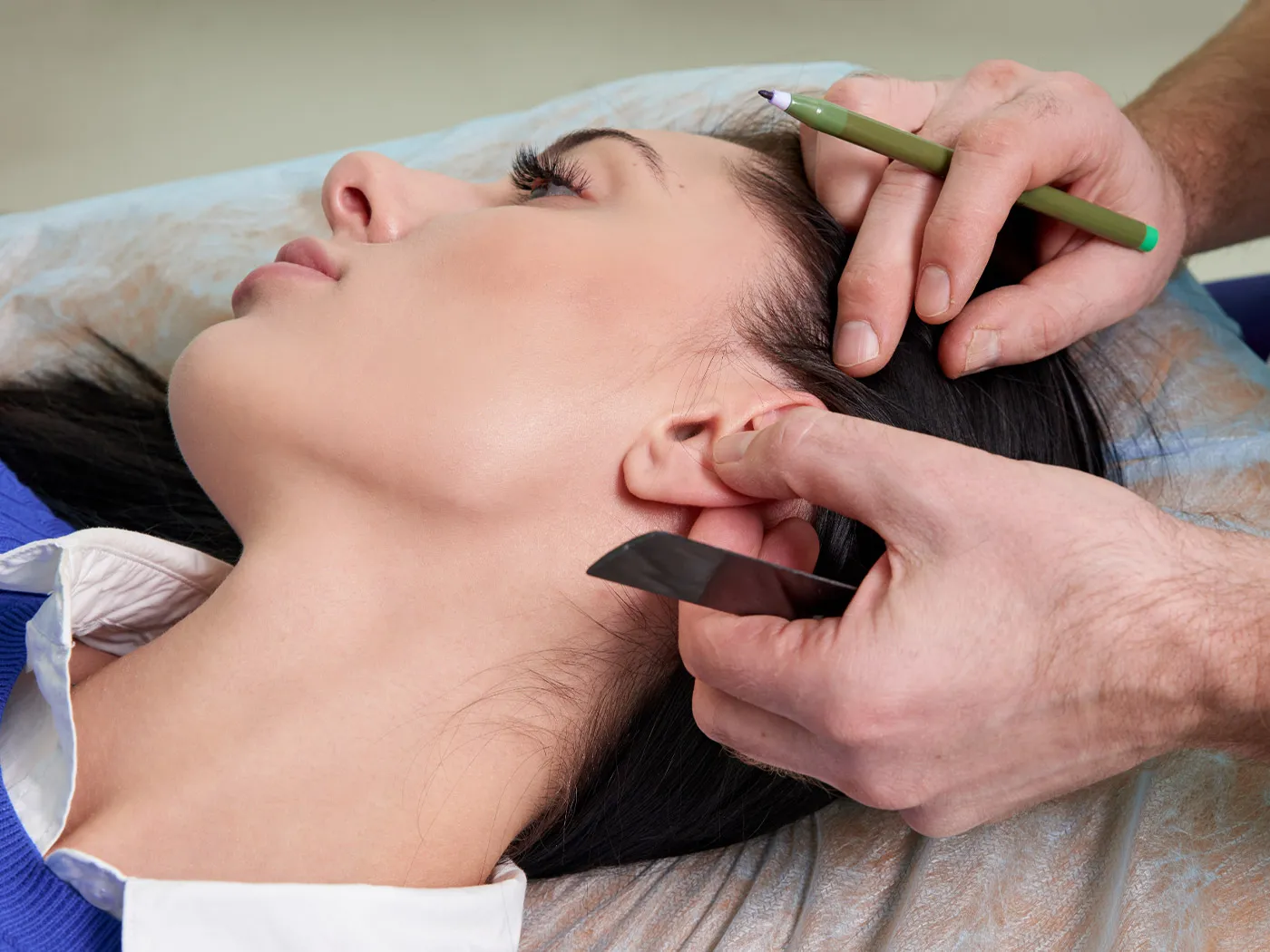
Earlobes may be small, but their shape can influence the overall appearance of the ears and the balance of facial features. Torn piercings, stretched earlobe holes, heavy earrings, accidental injuries, and age-related changes can leave the earlobes elongated, split, or uneven. These concerns may make wearing earrings uncomfortable or affect how someone feels about their appearance. Earlobe Correction Surgery in Dubai offers a way to address these changes by reshaping or repairing the affected tissue.
The procedure is generally designed to restore a more natural earlobe contour while preserving the ear's individual characteristics. Depending on the concern, treatment may involve repairing a split earlobe, reducing an enlarged piercing, correcting an irregular edge, or removing excess tissue. The surgical approach varies according to the extent of the damage, the thickness of the earlobe, and the patient's desired outcome.
For suitable candidates, treatment can improve the appearance of the earlobe and create a neater outline. However, results depend on the original tissue condition, the repair technique, healing, and scar formation. Surgery cannot guarantee perfect symmetry or completely invisible scars, and patients may need to wait until healing is complete before considering a new piercing.
Dubai offers several aesthetic and surgical providers that patients can research when exploring earlobe repair. Choosing a clinic should involve more than comparing photographs or advertised prices. The surgeon's qualifications, experience with delicate tissue repair, sterile surgical environment, and postoperative guidance are all important considerations. Understanding these factors helps patients make an informed decision about whether Earlobe Correction Surgery is appropriate for restoring a neat, natural-looking ear design.
What Can Earlobe Correction Surgery Improve?
Earlobe correction is a minor surgical procedure in many cases, although complexity depends on the extent of tissue damage and the repair required. It focuses on reshaping the soft lower portion of the ear without changing the entire ear structure.
Common concerns addressed by the procedure include:
-
Split or torn earlobes: Repairing tissue separated by a piercing or an accidental injury.
-
Stretched piercing holes: Reducing enlarged openings caused by prolonged use of heavy earrings or stretching.
-
Uneven earlobe contours: Refining irregular edges or asymmetry where surgically correctable.
-
Elongated earlobes: Removing or reshaping excess tissue when appropriate.
-
Old piercing scars: Improving the appearance of selected scars, although complete scar removal cannot be guaranteed.
The procedure often involves local anaesthesia, removal of damaged tissue where necessary, and careful closure with sutures. The exact technique depends on the defect and the surgeon's assessment. Some repairs can be completed relatively quickly, while more complicated cases may require additional planning.
Recovery generally involves keeping the area clean, following wound-care instructions, and attending follow-up appointments. Temporary swelling, tenderness, bruising, and redness can occur. Patients should ask their surgeon when the sutures can be removed, when normal activities can resume, and whether they may eventually have the ear pierced again.
Clinics to Consider for Earlobe Correction Surgery
When researching earlobe repair in Dubai or comparing providers internationally, patients should verify the location of treatment, the clinician's qualifications, and whether the exact procedure is available. The following providers are potential starting points for further research, rather than a ranking or an endorsement of clinical outcomes.
The Right Nose
The Right Nose is a name patients may encounter when researching aesthetic and surgical services. Before considering this provider for earlobe repair, prospective patients should confirm whether it offers the specific procedure and identify the clinician responsible for treatment.
Earlobe reconstruction requires attention to tissue preservation, wound closure, and the natural shape of the ear. Patients should ask about the surgeon's experience with split earlobes, stretched piercing holes, and other soft-tissue defects. It is also useful to understand how the proposed technique aims to minimise visible scarring and maintain a natural contour.
A consultation should establish whether a simple repair is sufficient or whether more extensive reshaping may be necessary. Patients should also request clear information about recovery, follow-up care, potential complications, and the likely appearance of the healed earlobe.
My London Skin Clinic
My London Skin Clinic is another provider patients may research when exploring skin and aesthetic treatments. Anyone considering earlobe correction should verify whether surgical earlobe repair is available and whether the clinic can provide the specific treatment required.
A useful consultation should distinguish between an earlobe concern that can be improved through surgical repair and one that may be better addressed through another approach. For example, a fully split piercing usually requires tissue repair, whereas certain concerns involving skin texture or superficial scarring may need a different assessment.
Patients should ask who performs the procedure, what qualifications they hold, and how the clinic manages follow-up appointments. It is also important to understand the anticipated healing period and the possibility of a visible scar.
Although earlobe repair is often performed as a relatively small procedure, careful technique and aftercare remain essential to achieving a satisfactory cosmetic result.
Dynamic Life Clinic
Dynamic Life Clinic may be included in a patient's research into aesthetic procedures and consultation options. Patients interested in earlobe correction should contact the clinic to confirm the current availability of the procedure and the qualifications of the treating clinician.
The assessment should focus on the type of defect, the condition of the surrounding skin, and the desired shape after healing. For example, repairing a narrow tear may require a different approach from correcting a large, stretched piercing hole or an earlobe with significant tissue loss.
Patients should discuss whether the repair will leave a linear or otherwise visible scar, how long healing is expected to take, and what measures can help protect the surgical site. Those who regularly wear earrings should also ask about appropriate jewellery choices after recovery.
A personalised plan can help establish realistic expectations and clarify whether the proposed treatment addresses the underlying structural concern.
Tajmeels Clinic
Tajmeels Clinic is another option patients may investigate when comparing aesthetic services. Before booking, patients should verify whether earlobe correction is offered and whether the clinic has a qualified practitioner experienced in repairing earlobe defects.
An informative consultation should explain the proposed incision or repair technique, the type of closure used, and how the surgeon plans to preserve the natural curve of the earlobe. Patients should also ask whether any existing scar tissue needs to be removed and how this might influence healing.
Clear postoperative instructions are especially important because tension on a newly repaired earlobe can interfere with healing. Patients should understand how to clean the area, when to return for review, and which symptoms warrant prompt medical attention.
Comparing these practical details can help patients assess the suitability of a provider more effectively than relying on general cosmetic claims.
Enfield Royal Clinic
Enfield Royal Clinic is a provider patients can investigate when comparing aesthetic treatment options. Those considering Earlobe Correction Surgery should confirm directly whether the clinic offers the required repair and which qualified clinician performs it.
A careful assessment should consider the size and position of the tear, the amount of remaining tissue, existing scars, and whether both earlobes require treatment. These details influence the surgical plan and the potential for a balanced result.
Patients should ask about the proposed repair method, anaesthesia, wound-care requirements, and the risk of infection, scar thickening, or recurrent splitting. If they intend to wear earrings again, they should discuss when repiercing may be appropriate and whether a new piercing should be placed away from the original repair line.
The objective is to restore a neat, natural-looking contour while preserving healthy tissue. A responsible consultation should also explain what surgery can realistically achieve and whether the patient's expectations are consistent with the available treatment options.
How to Choose the Right Clinic for Earlobe Correction Surgery
The quality of earlobe repair depends on an appropriate treatment plan, careful surgical technique, and suitable aftercare. Since the earlobe is a small and visible structure, even minor differences in contour or scar placement can affect the final appearance.
Experience and qualifications
Choose a suitably qualified, licensed surgeon or medical practitioner with relevant experience in earlobe repair and minor reconstructive procedures. Ask about their experience treating the specific concern you have, whether it is a split earlobe, a stretched piercing, or an irregular contour.
Reviewing clinical photographs may help you understand the practitioner's approach, provided the images are genuine, used with appropriate consent, and representative of comparable cases.
Techniques and equipment
Ask which repair technique is recommended and why. Depending on the defect, the surgeon may remove damaged tissue and close the wound with carefully positioned sutures. More complex defects may require a reconstructive approach to preserve shape and avoid excessive tension.
There is no single technique that suits every earlobe. The choice should be based on anatomy, tissue condition, and the location of the original injury.
Safety standards
Confirm that the procedure takes place in an appropriately equipped clinical setting with suitable infection-control practices. Ask about anaesthesia, sterile instruments, emergency arrangements, and the management of potential complications.
Although many earlobe repairs are straightforward, complications can include infection, bleeding, delayed healing, noticeable scarring, asymmetry, or recurrence of the split.
Consultation and communication
A good consultation should include an examination of the earlobe, a discussion of your medical history, and an explanation of the available options. Tell the clinician about any history of raised scars, allergies to medicines or dressings, bleeding problems, or previous complications with wound healing.
You should receive clear answers to questions about the procedure, likely results, costs, recovery, and follow-up care before making a decision.
Patient experience and aftercare
Ask how postoperative reviews are arranged and whom to contact if the wound becomes increasingly painful, swollen, red, or starts producing discharge. Understand how long you may need to avoid heavy earrings, swimming, or activities that place tension on the repair.
The clinic should provide practical written instructions rather than leaving you uncertain about how to care for the wound.
Expected results
The goal is generally to create a smoother, more regular earlobe shape. However, the outcome depends on the original defect, tissue quality, surgical technique, and individual healing. Scars may remain visible, and perfect symmetry cannot be guaranteed.
Patients should also clarify whether the procedure is expected to improve function, appearance, or both. Realistic expectations are essential when deciding whether surgery is worthwhile.
Frequently Asked Questions
Does Earlobe Correction Surgery restore a neat ear shape?
It can improve the shape of a split, stretched, or irregular earlobe by repairing damaged tissue and refining its contour. The degree of improvement depends on the original defect, the surgical technique, and healing. A completely scar-free result cannot be guaranteed.
Is earlobe repair a major surgical procedure?
Many uncomplicated earlobe repairs are performed as minor procedures under local anaesthesia. However, more extensive injuries or defects involving substantial tissue loss may require a more complex repair. A clinician must assess the earlobe before determining the appropriate approach.
How long does recovery take after earlobe correction?
Initial healing often takes a few weeks, although the exact period varies with the procedure and the individual. Sutures may need removal if non-dissolvable stitches are used. Scar maturation and the final contour can take several months to settle.
Can I wear earrings again after earlobe repair?
Many patients can wear earrings again after the repair has healed, but timing depends on the technique and the surgeon's advice. Repiercing too early or too close to the repair line may increase the risk of the tissue splitting again. Ask your clinician when and where repiercing would be appropriate.
Can Earlobe Correction Surgery remove old piercing scars completely?
Surgery may improve the appearance of selected piercing scars by removing or reshaping damaged tissue. However, scar tissue cannot always be eliminated completely, and a new surgical scar may form. Your clinician should explain the likely cosmetic improvement based on the scar's size, location, and characteristics.
Conclusion
A torn, stretched, or uneven earlobe can affect the appearance of the ears even when the rest of the facial features are unchanged. Earlobe repair offers a way to address these concerns by restoring a more regular contour and, in many cases, making the earlobe suitable for wearing earrings again after appropriate healing.
The best outcome depends on careful assessment, a suitable repair technique, realistic expectations, and consistent aftercare. Patients should verify a clinic's current services and review the qualifications and experience of the practitioner who will perform the procedure.
If you are considering Earlobe Correction Surgery arrange a consultation with a qualified clinician to discuss your concerns, the expected cosmetic improvement, possible scarring, and the recovery process. A personalised treatment plan can help determine whether repair is appropriate for achieving a neater, more natural-looking earlobe.