Eagle Belt Replacement: Maintaining Conveyor Performance in Eagle Packaging Equipment
162 Views
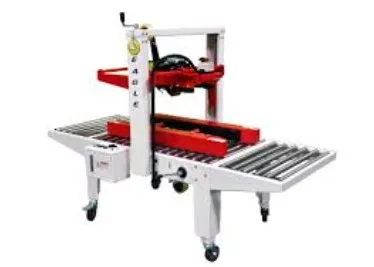
Maintaining consistent product transport through Eagle packaging machinery depends on the condition and correct specification of the Eagle belt 0.50 and related conveyor belt components used across the company's packaging machine product lines. Conveyor belts in packaging equipment are consumable components that wear progressively through continuous use, and understanding how to identify wear, source correct replacements, and maintain the belt system keeps Eagle machines running at their designed throughput and product handling performance.
Eagle Conveyor Belt Function
Conveyor belts in Eagle packaging machines perform the critical function of moving products through sealing, cutting, and discharge zones at precisely controlled speeds that must remain consistent for the machine to produce packages at correct dimensions and with properly positioned seals. Belt surface grip characteristics affect product positioning during the wrapping cycle. Belt dimensional stability affects the relationship between belt speed and the mechanical speed reference that the control system uses to synchronise film advancement. Both of these characteristics degrade as belts wear during normal operation.
Belt Dimensions and Specifications
Correct Eagle belt specification requires accurate identification of belt dimensions — width, thickness, and length — as well as the material composition and surface characteristics appropriate for the specific machine model and product type being handled. The T210 belt designation at 1520mm x 50mm x 5mm dimensions is an example of the specific specification precision required for correct belt sourcing. Dimensional errors result in belts that do not fit correctly, track poorly, or do not provide the surface contact characteristics required for consistent product handling at the machine's rated production speed.
Signs of Belt Wear
Recognising belt wear before it reaches the point of causing product handling failures or belt breakage helps maintenance teams schedule replacement during planned downtime rather than responding to unexpected production stoppages. Surface wear that reduces grip is often visible as surface glazing or smoothing of the belt face. Edge wear and fraying creates the risk of belt fragments entering the product stream or sealing zone. Cracking or hardening of belt material indicates aging beyond its effective service life. Tracking problems that develop progressively often indicate belt wear causing dimensional changes that affect how the belt follows its intended path.
Belt Installation Procedure
Correct belt installation ensures that the replacement belt performs as intended and achieves full service life rather than failing prematurely from installation-related stress. Belt tension must be set within the range specified for the machine — insufficient tension causes belt slip and tracking problems while excessive tension accelerates bearing and drive system wear. Belt tracking adjustment ensures the belt runs centrally on its supporting rollers without lateral drift that causes edge wear and eventual belt damage. Running the machine at low speed during initial operation after belt replacement allows confirmation that installation is correct before returning to full production.
Drive Component Interaction
Belt performance is inseparable from the condition of the drive and idler components that the belt contacts throughout its circuit. Worn drive rollers with reduced surface grip cause belt slip that accelerates belt surface wear. Idler rollers that have developed flat spots or bearing problems create impact loads on the belt as it passes over them. Contaminated rollers with product or adhesive buildup prevent correct belt contact and cause the tracking deviations that accelerate edge wear. Inspecting these components at each belt replacement and replacing worn drive components alongside the belt produces better total service life outcomes.
Preventive Maintenance Integration
Including Eagle belt inspection and replacement in a structured preventive maintenance programme produces better uptime than reactive replacement after belt failure. Operating hours between belt replacements varies by production volume, product characteristics, and machine speed. Tracking replacement intervals alongside production volume data enables accurate prediction of replacement timing for future budget and parts planning purposes. This predictive approach to belt management eliminates the unplanned downtime costs that reactive maintenance consistently generates.
Sourcing Belt Replacements
Sourcing correct replacement belts for Eagle packaging equipment requires access to a distributor with specific knowledge of Eagle machine specifications and the belt dimensions used across different Eagle machine models and vintages. Tool box parts distributors who focus on packaging equipment maintain this product-specific knowledge alongside the inventory to support quick delivery when replacements are needed. Working with a specialist source reduces the risk of receiving incorrect dimensions or incompatible materials that appear superficially similar to the correct belt specification.
For maintenance teams sourcing replacement belts and other tool box parts for Eagle packaging equipment, a specialist packaging machinery parts distributor with deep Eagle product knowledge provides the correct specification confirmation, stock availability, and delivery speed that keeps production running with minimal downtime between belt replacement and machine restoration.
Related Reading
Top 10 Hidden Secrets About Business & Finance You Need to Know
Welcome to our in-depth exploration of Business & Finance. In an era defined...
Why Business & Finance is Transforming the Global Industry Landscape
Welcome to our in-depth exploration of Business & Finance. In an era defined...