Dusk-to-Dawn Technology in Solar Pillar Lights — How It Works
By Pradeep Kumar
5 Views
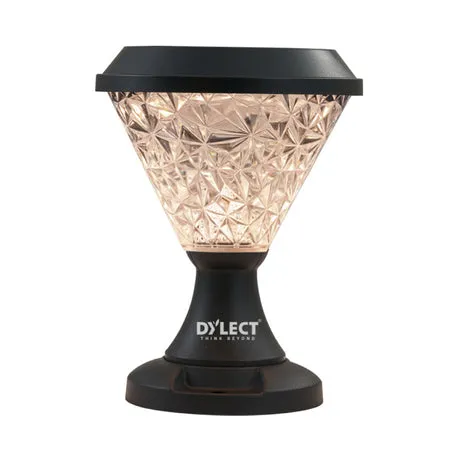
Outdoor lighting has evolved significantly in recent years, with homeowners increasingly opting for energy-efficient and automated solutions. Among the many innovations available today, solar pillar lights have become a popular choice for illuminating gates, fences, gardens, terraces, pathways, and outdoor spaces without increasing electricity consumption.
One feature that has made these lights particularly attractive is dusk-to-dawn technology. This smart automation system allows lights to turn on automatically when it gets dark and switch off when daylight returns. The result is a convenient, hands-free lighting experience that enhances safety, visibility, and energy efficiency.
But how exactly does dusk-to-dawn technology work in solar pillar lights? In this article, we'll break down the process and explain why this feature has become so popular among homeowners.
What Are Solar Pillar Lights?
Solar pillar lights are outdoor lighting fixtures that are typically installed on:
- Entrance pillars
- Boundary walls
- Gate columns
- Garden structures
- Outdoor fences
Unlike traditional lighting systems, they operate using solar energy instead of depending entirely on electrical wiring.
Their main components include:
- Solar panel
- Rechargeable battery
- LED light source
- Light sensor
- Internal controller
Together, these components create an efficient outdoor lighting system.
What Is Dusk-to-Dawn Technology?
Dusk-to-dawn technology is an automatic lighting system that uses sensors to detect surrounding light levels.
The system is designed to:
- Turn lights on at sunset
- Turn lights off at sunrise
- Operate without manual intervention
This smart functionality allows users to enjoy consistent lighting every evening without needing to remember switches or timers.
How Does Dusk-to-Dawn Technology Work?
The process is surprisingly simple.
Step 1: Solar Panels Collect Energy During the Day
Throughout daylight hours, the solar panel absorbs sunlight.
This energy is converted into electricity and stored inside a rechargeable battery.
The amount of energy collected depends on:
- Sunlight exposure
- Weather conditions
- Panel efficiency
The battery stores enough power to operate the light after dark.
Step 2: The Light Sensor Monitors Ambient Light
A built-in photosensor continuously monitors the amount of natural light surrounding the fixture.
The sensor measures ambient brightness rather than time.
This means it reacts directly to changing daylight conditions.
Step 3: Sunset Activates the Light
As daylight decreases and darkness approaches, the sensor detects lower light levels.
Once a specific threshold is reached, the controller activates the LED lights automatically.
The user does not need to:
- Press switches
- Set daily timers
- Operate the system manually
Everything happens automatically.
Step 4: Sunrise Deactivates the Light
When morning arrives and daylight increases, the sensor detects the brighter environment.
The controller then shuts off the light.
At the same time, the solar panel begins charging again for the next cycle.
The process repeats every day.
Components Responsible for Dusk-to-Dawn Technology
Several components work together to make this automation possible.
Solar Panel
Captures sunlight and converts it into electricity.
Rechargeable Battery
Stores energy collected during the day.
Photosensor
Detects surrounding light levels.
LED Light
Provides efficient illumination.
Smart Controller
Coordinates the entire process.
Each component plays an important role in maintaining reliable operation.
Why Homeowners Prefer Dusk-to-Dawn Solar Pillar Lights
The technology offers several advantages.
1. Automatic Operation
Users don't have to remember to turn lights on or off.
This creates a hassle-free experience.
2. Energy Efficiency
The lights use renewable solar energy instead of drawing power from traditional electricity systems.
3. Improved Security
Consistent nighttime lighting improves visibility around:
- Gates
- Entrances
- Pathways
- Outdoor areas
4. Greater Convenience
The automation makes daily life easier.
Benefits of Solar Pillar Lights
Solar pillar lights themselves offer numerous advantages beyond dusk-to-dawn technology.
Reduced Electricity Dependence
Since they rely on sunlight, energy consumption is minimized.
Simple Installation
Many systems require minimal wiring.
Environmentally Friendly
Solar energy is renewable and sustainable.
Modern Appearance
Many designs complement contemporary outdoor spaces.
Best Locations to Install Solar Pillar Lights
Proper placement helps maximize performance.
Ideal locations include:
Entrance Gates
Improves visibility and aesthetics.
Boundary Walls
Provides perimeter illumination.
Garden Areas
Enhances landscaping.
Pathways
Improves nighttime navigation.
Driveways
Creates safer access points.
Choose areas that receive direct sunlight during the day.
Factors That Affect Performance
Several factors influence how effectively solar pillar lights operate.
Sunlight Exposure
More sunlight results in better battery charging.
Weather Conditions
Cloudy weather may slightly reduce charging efficiency.
Sensor Placement
Obstructed sensors may impact automatic functionality.
Battery Health
Battery quality affects long-term performance.
Regular maintenance helps ensure optimal operation.
How to Maintain Solar Pillar Lights
Fortunately, maintenance requirements are minimal.
Clean Solar Panels
Dust can reduce charging efficiency.
Wipe the panel periodically.
Check for Obstructions
Remove leaves or debris.
Inspect the Battery
Replace batteries when necessary.
Position Correctly
Ensure the solar panel receives adequate sunlight.
These simple steps help extend product lifespan.
Why LED Technology Is Important
Most solar pillar lights utilize LED bulbs.
LEDs offer several advantages:
- Energy efficiency
- Bright illumination
- Long lifespan
- Lower maintenance
Their efficiency complements solar-powered systems perfectly.
Common Misconceptions About Dusk-to-Dawn Technology
Myth 1: It Uses a Timer
The system actually uses light sensors, not clocks.
Myth 2: It Works Only on Sunny Days
Batteries store energy, allowing operation even after partially cloudy days.
Myth 3: It Requires Constant Maintenance
Most systems require minimal upkeep.
Understanding these facts helps consumers make informed decisions.
The Growing Popularity of Smart Outdoor Lighting
Modern homeowners increasingly prefer automation.
Smart outdoor lighting offers:
- Convenience
- Energy efficiency
- Improved safety
- Attractive aesthetics
Dusk-to-dawn systems fit perfectly into this trend.
As technology advances, automated outdoor lighting continues to become more accessible.
FAQs
1. What is dusk-to-dawn technology in solar pillar lights?
Dusk-to-dawn technology uses a built-in light sensor that automatically turns the lights on when it gets dark and turns them off when daylight returns.
2. Do solar pillar lights need electricity to operate?
No. Solar pillar lights primarily rely on solar energy collected during the day and stored in rechargeable batteries.
3. Can solar pillar lights work during cloudy weather?
Yes. They can still operate because energy is stored in batteries, although performance may vary depending on sunlight availability.
4. Where should solar pillar lights be installed?
They work best on gate pillars, boundary walls, gardens, pathways, and driveways that receive direct sunlight during the day.
5. How long do solar pillar lights typically last?
The lifespan depends on component quality, maintenance, and battery condition, but many systems are designed for long-term outdoor use.
Final Thoughts
Dusk-to-dawn technology has transformed the way homeowners approach outdoor lighting. By combining smart sensors, solar energy, rechargeable batteries, and efficient LED systems, solar pillar lights provide a convenient and energy-efficient solution for modern outdoor spaces.
Their ability to automatically illuminate properties at night without manual operation makes them both practical and user-friendly. Whether installed at entrance gates, garden walls, or pathways, these lighting systems offer a perfect balance of convenience, sustainability, and safety.
As more homeowners embrace smart and eco-friendly technologies, solar pillar lights with dusk-to-dawn functionality continue to become one of the most attractive outdoor lighting investments available today.
Related Reading
Expert Insights: Navigating the Complex World of Home Improvement
Welcome to our in-depth exploration of Home Improvement. In an era defined by ra...
Why Home Improvement is Transforming the Global Industry Landscape
Welcome to our in-depth exploration of Home Improvement. In an era defined by ra...