Dumpster Rental Services: Sizes, Costs, Uses, and What to Know Before Renting
36 Views
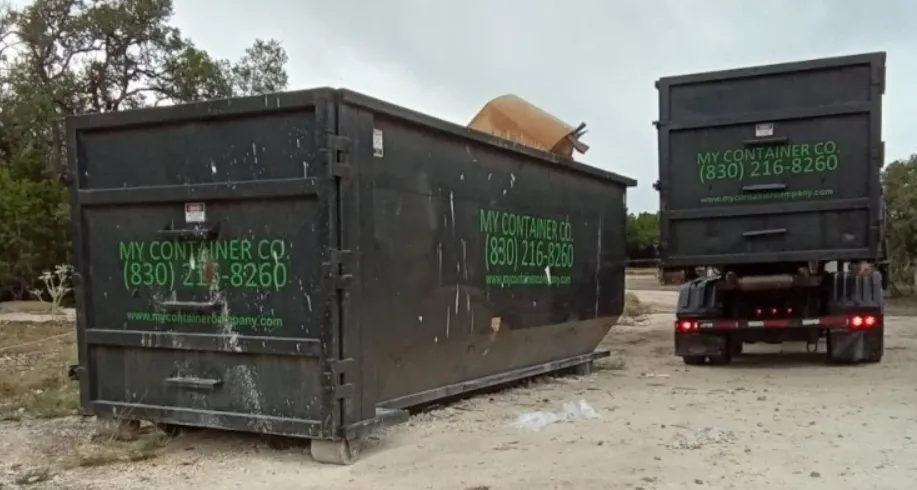
Dumpster rental services provide a convenient way to manage large amounts of waste from home renovations, construction projects, cleanouts, roofing work, landscaping, and commercial jobs. Instead of making repeated trips to a disposal facility, a temporary dumpster can be delivered to the property, loaded during the project, and collected when the work is complete.
Choosing the right dumpster involves more than selecting a container size. Rental duration, debris type, weight allowance, placement requirements, disposal rules, and additional charges can all affect the overall experience and final cost.
What Are Dumpster Rental Services?
How Dumpster Rental Works
Dumpster rental services generally follow a simple process. A container is delivered to a designated location, the customer fills it with approved materials, and the container is picked up when the project is finished.
For roll-off dumpsters, delivery is typically handled by a specialized truck that places the container at the selected location. The renter then loads debris throughout the agreed rental period. Once the container is ready for removal, the service provider returns to collect it and transport the contents for disposal or recycling when applicable.
Who Uses Dumpster Rental Services?
Dumpster rentals can be useful for homeowners, contractors, property managers, landlords, businesses, and organizations handling projects that generate more waste than ordinary garbage collection can accommodate.
Common uses include:
- Home renovations
- Garage and basement cleanouts
- Roofing projects
- Construction and demolition
- Moving-related cleanouts
- Estate cleanouts
- Landscaping projects
- Commercial property cleanup
- Flooring and cabinet removal
- General property maintenance
The appropriate dumpster depends on the amount and type of debris rather than simply the size of the property.
Dumpster Rental Sizes
10-Yard Dumpster
A 10-yard dumpster is generally intended for smaller projects such as a single-room cleanup, small bathroom renovation, garage cleanup, or limited yard debris.
It offers less capacity than larger roll-off containers, making it useful when the amount of waste is relatively predictable.
20-Yard Dumpster
A 20-yard dumpster is commonly used for medium-sized residential and construction projects. Typical applications include kitchen renovations, flooring removal, roofing projects, deck removal, and larger property cleanouts.
Depending on the provider, dimensions and weight allowances vary, so renters should verify the specifications before ordering.
30-Yard Dumpster
A 30-yard container provides additional capacity for larger renovations, new construction, substantial cleanouts, and projects producing considerable amounts of bulky debris.
It can be appropriate when a 20-yard dumpster may not provide enough room for the expected material.
40-Yard Dumpster
A 40-yard dumpster is generally designed for large construction projects, commercial cleanup, major demolition, and substantial renovation work.
Because the container is significantly larger, adequate placement and access space should be confirmed before delivery.
Dumpster Size Comparison
Dumpster Size Common Project Types Approximate Capacity10 yard Small cleanouts, minor renovations10 cubic yards15 yard Medium cleanouts and renovations15 cubic yards20 yard Roofing, remodeling, construction cleanup20 cubic yards30 yard Large renovations and construction30 cubic yards40 yard Major construction and demolition40 cubic yards
Container dimensions, weight allowances, and available sizes vary by service provider and location.
How Much Do Dumpster Rental Services Cost?
Factors That Determine Price
Dumpster rental pricing is not a single nationwide rate. Published 2026 pricing guides show broad ranges depending on container size and location, with standard rentals commonly falling within several hundred dollars.
Several factors influence the final price:
- Dumpster size
- Rental duration
- Location
- Type of debris
- Included weight allowance
- Disposal or landfill charges
- Delivery distance
- Permit requirements
- Additional rental days
- Excess-weight charges
- Special handling fees
For example, a 2026 cost guide reports national ranges of approximately $250–$450 for a 10-yard dumpster, $350–$600 for a 20-yard dumpster, $400–$800 for a 30-yard dumpster, and $550–$900 or more for a 40-yard container. These are market ranges rather than guaranteed prices.
Understand the Included Weight
A quoted rental price may include a specified amount of disposal weight.
This matters particularly when disposing of dense materials such as concrete, brick, dirt, asphalt, or roofing shingles. Heavy debris can reach the weight allowance before the container is physically full.
Comparing only the advertised rental price can be misleading if two services include different weight allowances or disposal terms.
What Can Be Put in a Rental Dumpster?
Commonly Accepted Materials
Accepted materials vary by provider, but many standard dumpster services allow common household and construction debris.
Examples can include:
- Wood and lumber
- Drywall
- Flooring
- Cabinets
- Furniture
- Cardboard
- Roofing shingles
- Siding
- General remodeling debris
- Non-hazardous household junk
- Yard debris, where permitted
Construction and demolition materials can have special weight or disposal requirements, so heavy materials should be discussed before delivery.
Heavy Materials
Concrete, dirt, brick, asphalt, tile, and similar materials require additional consideration because their density can quickly increase the load weight.
Some services offer specific containers or separate arrangements for heavy materials.
A dumpster that has plenty of empty space may still be overweight, so volume and weight must be considered separately.
What Should Not Go in a Dumpster?
Restricted and Prohibited Materials
Dumpster restrictions vary by provider and local regulations. Materials commonly prohibited or subject to special handling can include:
- Hazardous chemicals
- Flammable liquids
- Fuels
- Batteries
- Medical waste
- Asbestos-containing materials
- Certain paints
- Solvents
- Pesticides
- Some electronic waste
- Pressurized containers
- Certain tires and appliances
One published rental policy, for example, specifically excludes hazardous waste, chemicals, oils, batteries, medical waste, asbestos, and other regulated materials.
When there is uncertainty about an item, it is better to confirm acceptance before placing it inside the dumpster.
How to Choose the Right Dumpster
Estimate the Amount of Waste
The first step is estimating how much material the project will generate.
A small bathroom renovation may require substantially less capacity than a whole-house renovation or major construction project.
If the estimate is between two sizes, the larger container may reduce the risk of requiring an additional haul. However, the decision should also account for price, available placement space, and the weight of the materials.
Consider the Type of Debris
Debris type is just as important as volume.
Bulky but relatively light materials such as furniture, cardboard, and some household items generally require more space. Dense materials such as concrete and dirt can reach weight limits much faster.
Consider the Project Duration
A short cleanup may only require a standard rental period, while a major renovation or construction project may require a longer arrangement.
Many providers offer standard rental periods of approximately one week, while others provide longer periods or extensions for an additional charge.
Preparing for Dumpster Delivery
Choose a Suitable Location
The container should be positioned somewhere accessible to the delivery vehicle and convenient for loading.
Potential placement locations include:
- Driveways
- Private parking areas
- Construction sites
- Commercial properties
- Designated areas on larger lots
The location should provide sufficient clearance for the truck and container. Overhead wires, branches, gates, narrow access points, and nearby structures can affect placement.
Check Permit Requirements
A dumpster placed entirely on private property may not require the same authorization as one placed on a public street.
Local requirements vary, and a permit may be required when a container occupies a public right-of-way. Permit requirements should be confirmed with the relevant local authority before delivery.
Protect the Placement Area
A dumpster can be heavy, particularly after it has been filled. A suitable surface should be selected to reduce the possibility of damage or instability.
For residential driveways, renters may also want to discuss placement precautions with the service provider before delivery.
How to Load a Dumpster Safely
Distribute the Debris
Materials should be distributed throughout the container rather than concentrated in one location.
Placing larger and heavier materials appropriately can help make better use of the available space.
Stay Below the Fill Line
Dumpster contents generally need to remain within the provider's loading requirements.
Items should not protrude from the top of the container. Overloading can create transportation and safety problems and may result in additional charges or require material removal.
Separate Problem Materials
Materials with special disposal requirements should not be mixed into a general debris load without confirmation.
Keeping potentially restricted items separate makes it easier to identify them before they become part of the dumpster load.
Dumpster Rental Services for Different Projects
Home Renovations
Kitchen, bathroom, flooring, basement, and other remodeling projects can produce a combination of drywall, cabinets, wood, flooring, fixtures, and packaging.
A 20- or 30-yard container may be suitable depending on the project size and debris volume.
Construction Projects
Construction sites can generate substantial quantities of lumber, drywall, packaging, siding, roofing material, and other debris.
Larger projects may require 30- or 40-yard containers, while smaller jobs may be adequately served by a 20-yard dumpster.
Roofing Projects
Roof replacements can generate significant quantities of shingles and related material.
Because roofing debris can be relatively dense, the weight allowance should be confirmed before selecting a container.
Property Cleanouts
Garage, basement, attic, estate, and whole-property cleanouts often contain bulky household items.
For these projects, container volume can be more important than weight because furniture and other large items can fill a dumpster quickly.
Questions to Ask Before Renting
Before scheduling dumpster rental services, customers can ask:
- What dumpster sizes are available?
- What is the exact container capacity and approximate dimensions?
- How many rental days are included?
- How much disposal weight is included?
- What is the charge for exceeding the weight allowance?
- Which materials are accepted?
- Which materials are prohibited?
- Are there additional disposal or environmental fees?
- Is a permit required for the intended placement?
- What happens if the dumpster needs to be kept longer?
- How much clearance is required for delivery and pickup?
- When should pickup be scheduled?
Getting these details in writing can make the rental terms easier to understand and compare.
Final Thoughts on Dumpster Rental Services
Dumpster rental services can simplify waste management for renovations, construction, cleanouts, roofing projects, landscaping, and commercial work. A temporary container keeps debris consolidated and allows waste to be removed after the project rather than requiring repeated trips to a disposal facility.
The most important factors are container size, debris type, weight allowance, rental period, placement requirements, accepted materials, and total cost.
A 10-yard container may suit a small cleanup, while 20- and 30-yard dumpsters can accommodate many medium and large renovation projects. Major construction and demolition work may require a 40-yard container or multiple hauls.
The best rental decision comes from matching the container to the project's actual debris volume and weight while confirming all rental terms before delivery.
Related Reading
Top 10 Hidden Secrets About Business & Finance You Need to Know
Welcome to our in-depth exploration of Business & Finance. In an era defined...
Why Business & Finance is Transforming the Global Industry Landscape
Welcome to our in-depth exploration of Business & Finance. In an era defined...