Dumpster Rental Company: A Complete Guide to Sizes, Costs, and Services
14 Views
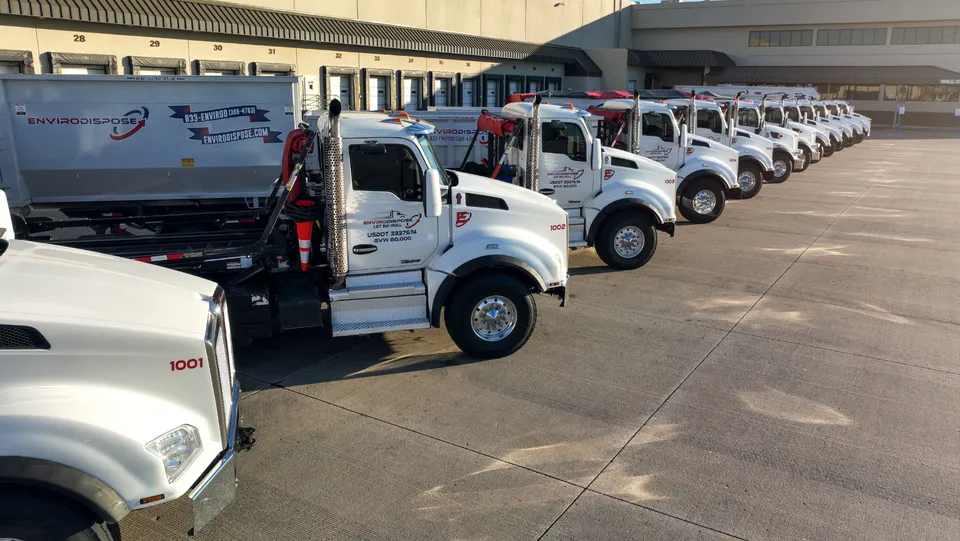
Choosing the right dumpster rental company can make waste removal easier for homeowners, contractors, business owners, and property managers. Whether a project involves a home renovation, garage cleanout, roofing replacement, or construction job, a suitable dumpster provides a convenient way to collect and remove unwanted materials.
However, rental providers differ in container sizes, pricing structures, delivery schedules, weight allowances, and disposal policies. Comparing these details before booking helps customers select a reliable service and avoid unexpected expenses.
This guide explains the main dumpster rental services, how to choose the right container, which factors affect costs, and what to consider before scheduling delivery.
What Does a Dumpster Rental Company Do?
A dumpster rental company supplies waste containers for temporary use and arranges delivery and pickup according to the rental agreement. Customers fill the container with approved materials, and the provider transports the waste to an appropriate disposal or processing facility.
These services are useful when regular household trash collection cannot accommodate the volume or type of waste generated by a project.
Common Dumpster Rental Services
Most providers offer one or more of the following services:
-
Residential dumpster rental: Supports garage cleanouts, moving preparations, decluttering, and home improvement projects.
-
Construction dumpster rental: Handles approved building materials generated during renovations, remodeling, and construction.
-
Commercial dumpster rental: Helps offices, retail stores, warehouses, and property managers manage cleanup waste.
-
Roofing dumpster rental: Accommodates shingles and other approved roofing materials, subject to weight limits.
-
Yard waste removal: Provides containers for eligible branches, leaves, grass, and landscaping debris.
-
Demolition cleanup: Collects approved materials from deck removal, interior demolition, and similar projects.
Available services vary by provider and location. Customers should explain the project and the type of waste before selecting a rental option.
How to Choose the Right Dumpster Size
Dumpster sizes are generally measured in cubic yards, which indicate the volume of material a container can hold. Choosing the right size depends on the project's scope, the amount of debris, its weight, and the available placement area.
Common Dumpster Sizes and Their Uses
| Dumpster size | Typical applications | Best suited for |
|---|---|---|
| 10-yard | Small cleanouts and minor renovation work | Limited waste volumes |
| 15-yard | Flooring removal and smaller remodeling jobs | Small to medium projects |
| 20-yard | Garage cleanouts, roofing, and home renovations | Medium-sized projects |
| 30-yard | Large cleanouts and extensive remodeling | Larger residential or commercial projects |
| 40-yard | Major construction and substantial cleanup work | High-volume projects |
These are general guidelines rather than universal specifications. Container dimensions, availability, and weight allowances vary by provider.
How to Select the Best Size
Before ordering a dumpster, customers should estimate the amount of debris and identify the materials involved. Furniture, cardboard, and household clutter take up space differently from concrete, dirt, and roofing shingles.
A container that looks only partially full can still exceed its permitted weight. The best dumpster size must account for both volume and weight, not just how much space the debris occupies.
When the quantity is uncertain, a rental provider can recommend a suitable option after reviewing the project details.
How Much Does It Cost to Rent a Dumpster?
Dumpster rental prices depend on several factors, so there is no single rate that applies to every project. Location, container size, rental duration, disposal requirements, and the weight of the waste all influence the final price.
In the United States, a standard residential rental may cost several hundred dollars, while larger containers or specialized disposal requirements can increase the total. Customers should request a local quote rather than rely on a general estimate.
Factors That Affect Dumpster Rental Pricing
1. Dumpster size: Larger containers generally cost more because they accommodate greater waste volumes.
2. Rental duration: A longer rental period may increase the price, especially when additional days are charged separately.
3. Debris weight: Many agreements include a specific weight allowance. Exceeding it can result in additional charges.
4. Waste type: Concrete, soil, roofing materials, and certain other debris may require special handling or a dedicated container.
5. Delivery location: Distance, local disposal costs, and regional demand can affect the quote.
6. Additional fees: Permits, prohibited materials, blocked access, overfilled containers, and rescheduled pickups may create extra costs under certain agreements.
How to Compare Rental Quotes
Customers should compare the complete rental package instead of choosing the provider with the lowest advertised starting price.
| Pricing detail | What to confirm |
|---|---|
| Base rental price | What services are included? |
| Rental period | How many days are covered? |
| Weight allowance | How much debris can be included? |
| Delivery and pickup | Are both included in the quote? |
| Extra weight | What are the overage charges? |
| Additional days | What does an extension cost? |
| Permits and disposal | Are any extra fees applicable? |
A transparent quote makes it easier to budget accurately and compare providers fairly.
What Can Be Placed in a Rental Dumpster?
Most dumpster rental companies accept common nonhazardous materials, but their rules differ according to container type, local regulations, and disposal facility requirements.
Commonly Accepted Materials
Depending on the rental agreement, accepted items may include:
-
Household clutter and general nonhazardous trash
-
Furniture and other bulky household items
-
Wood, drywall, and approved renovation debris
-
Roofing shingles within the applicable weight allowance
-
Cardboard and packaging materials
-
Yard waste and landscaping debris
-
Approved construction and demolition materials
Customers should confirm whether mixed waste is allowed or whether materials must be separated.
Items That May Be Restricted
Some materials require special handling and may not be accepted in a standard dumpster. Examples include:
-
Paint, solvents, and hazardous chemicals
-
Asbestos-containing materials
-
Batteries and certain electronic waste
-
Tires and automotive fluids
-
Gas cylinders and pressurized containers
-
Refrigerators or other appliances containing refrigerants
-
Certain liquids, medical waste, and flammable materials
Restrictions vary by provider and jurisdiction. Customers should obtain approval before placing questionable materials in the container. Doing so can prevent rejected loads, additional fees, and disposal complications.
How Does the Dumpster Rental Process Work?
Renting a dumpster is generally straightforward when the project requirements are clear.
Step 1: Describe the Project
The customer explains the type of cleanup, estimated debris volume, materials involved, and expected project duration. This information helps the provider recommend an appropriate container.
Step 2: Compare Providers and Pricing
Customers review rental quotes, availability, weight allowances, and additional fees. Written terms should clearly explain what the quoted price covers.
Step 3: Arrange Delivery and Placement
The dumpster should be placed on a stable, accessible surface. Customers must consider driveways, gates, overhead obstructions, nearby vehicles, and the space required for delivery equipment.
If the container must be placed on a public street or sidewalk, a local permit may be necessary. Requirements should be checked before delivery.
Step 4: Load the Dumpster Safely
Waste should be distributed evenly and kept within the container's fill line. Heavy materials should be managed carefully to avoid exceeding weight limits.
Customers should also follow the provider's instructions for prohibited materials and safe loading.
Step 5: Schedule Pickup
When the project is complete, the customer arranges pickup according to the rental agreement. The container should remain accessible, with no vehicles or other obstructions preventing collection.
How to Choose a Reliable Dumpster Rental Company
The quality of the rental experience depends on more than price. Clear communication, dependable scheduling, suitable equipment, and straightforward policies can make a significant difference.
Important Qualities to Evaluate
When comparing providers, customers should look for:
-
Transparent pricing: The company explains included services, weight limits, and potential extra fees.
-
Appropriate container options: Available sizes match the project's requirements.
-
Reliable scheduling: Delivery and pickup arrangements are clearly confirmed.
-
Clear disposal policies: Accepted and restricted materials are explained before booking.
-
Responsive customer service: Questions about placement, timing, and project needs receive clear answers.
-
Suitable service coverage: The company serves the intended delivery address.
-
Written rental terms: The agreement documents the rental period, charges, and customer responsibilities.
Customer reviews can provide useful insight into communication, punctuality, and billing experiences. However, reviews should be considered alongside the written rental agreement and the company's ability to meet the project's specific needs.
Questions to Ask Before Booking
Before confirming a rental, customers should ask:
-
Which dumpster size is recommended for the project?
-
How many rental days are included?
-
What weight allowance comes with the container?
-
Which materials are prohibited?
-
Are delivery, pickup, and disposal included?
-
What additional charges might apply?
-
Does the placement location require a permit?
-
How much notice is required to schedule pickup?
These questions help clarify expectations and reduce the likelihood of unexpected costs.
Benefits of Hiring a Professional Dumpster Rental Company
A professional rental service offers several practical advantages for projects that generate substantial waste.
Convenient Waste Management
A dedicated container keeps debris in one designated location, reducing scattered waste and making the work area easier to manage.
Better Project Organization
Contractors and homeowners can remove unwanted materials as work progresses instead of repeatedly arranging smaller disposal trips.
Flexible Container Options
Different sizes accommodate a range of projects, from modest household cleanouts to larger construction activities.
More Predictable Scheduling
A planned delivery and pickup arrangement helps customers coordinate cleanup with renovation schedules, property turnovers, and construction milestones.
Support for Appropriate Disposal
Rental providers can explain material restrictions and disposal procedures. Some may also offer recycling options for eligible materials, depending on local facilities and service capabilities.
Frequently Asked Questions
How far in advance should a dumpster be booked?
Booking several days in advance is helpful, especially during busy construction seasons or when a specific size is required. Same-day or next-day delivery may be available in some areas, but it should be confirmed directly.
Is a permit required for dumpster placement?
A permit may be required when a dumpster occupies a public street, sidewalk, or other regulated space. Placement on private property often has fewer requirements, but local rules should still be checked.
Can a dumpster be kept longer than the original rental period?
Many companies offer rental extensions, subject to availability and additional charges. Customers should arrange extensions before the scheduled pickup date.
What happens if the dumpster exceeds its weight limit?
The rental agreement may impose additional charges for excess weight. The container could also be subject to handling restrictions if it cannot be transported safely.
Is a larger dumpster always the better choice?
No. A larger container may be useful for bulky debris, but heavy materials can exceed weight allowances regardless of available space. The right choice depends on debris volume, weight, and material type.
How can customers avoid unexpected rental charges?
Customers should review the written quote, understand the weight allowance, follow fill-line instructions, confirm prohibited materials, and clarify extension and permit fees before booking.
Final Thoughts
Selecting the right dumpster rental company helps homeowners, contractors, and businesses manage waste more efficiently. The most suitable provider offers an appropriate container, clear pricing, dependable scheduling, and disposal guidelines that match the project's needs.
Before booking, customers should compare several quotes, evaluate the total cost, confirm material restrictions, and prepare an accessible placement area.
The best dumpster rental choice is not necessarily the cheapest advertised option. It is the provider that offers the right size, clear rental terms, and reliable service for the project's budget and timeline.
Related Reading
Top 10 Hidden Secrets About Business & Finance You Need to Know
Welcome to our in-depth exploration of Business & Finance. In an era defined...
Why Business & Finance is Transforming the Global Industry Landscape
Welcome to our in-depth exploration of Business & Finance. In an era defined...