How to Set Up a DPF Cleaning Machine for Workshop Operations
9 Views
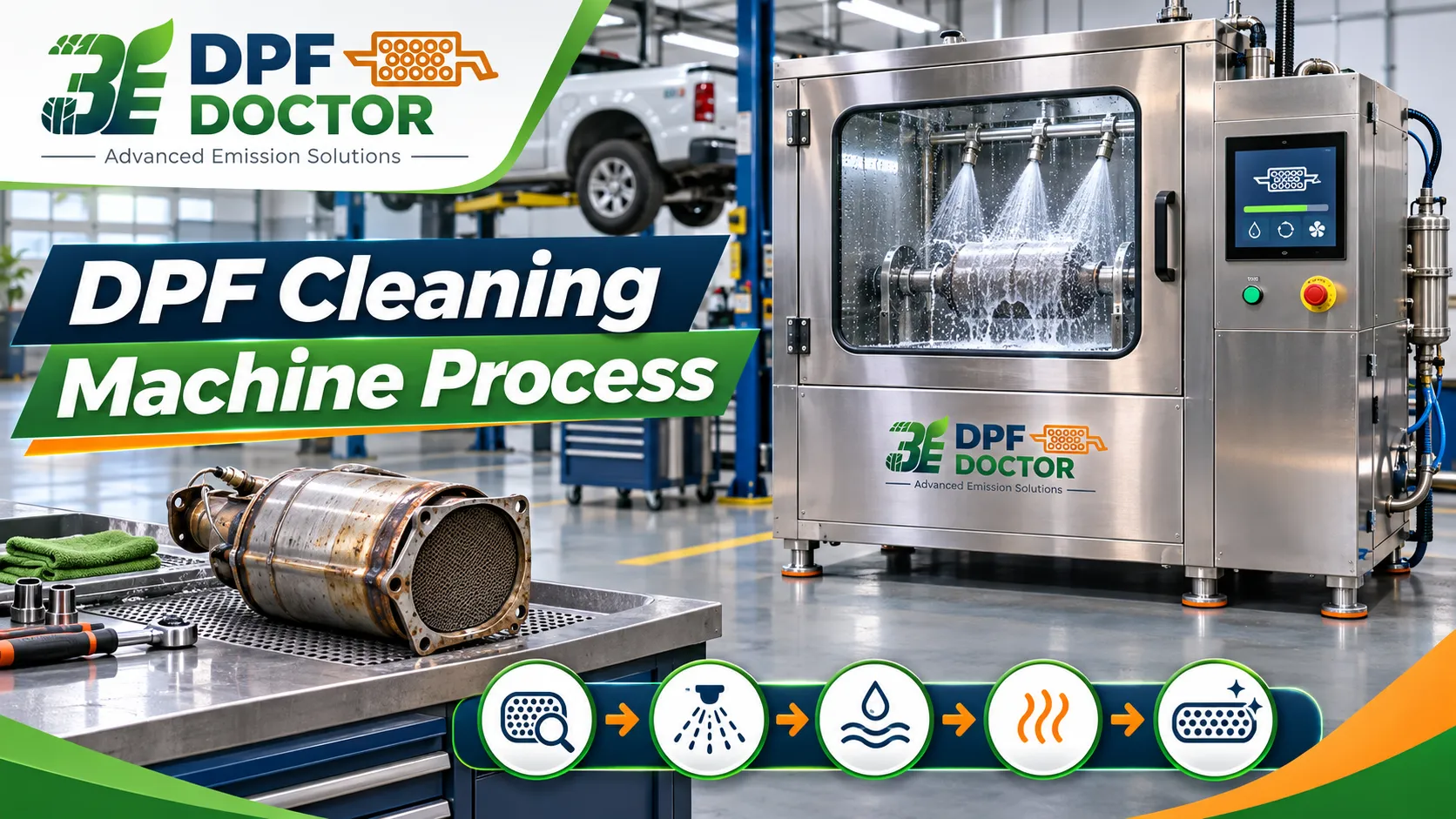
Automotive workshops increasingly handle diesel vehicles equipped with advanced emission control systems. These vehicles require specialised maintenance when soot, ash and other deposits accumulate inside diesel particulate filters.
Installing professional cleaning equipment allows workshops to offer controlled filter maintenance services. However, purchasing a machine is only the beginning. Correct installation, trained operators and consistent working procedures are equally important.
Understanding the DPF Cleaning Machine Process helps workshop owners prepare their facilities, manage cleaning operations and select equipment that meets their customers' requirements.
Why Is Proper Workshop Setup Important?
A professional cleaning facility requires more than available floor space. Equipment must operate under suitable electrical, drainage and environmental conditions.
Poor planning may create unnecessary delays, increase maintenance requirements and affect cleaning consistency.
Workshop owners should evaluate their infrastructure before finalising an equipment purchase.
6 Essential Requirements for DPF Cleaning Machine Installation
1. Adequate Workshop Space
The cleaning area should provide sufficient room for equipment installation, filter handling and routine maintenance.
Technicians need clear access to machine controls, connections and serviceable components.
A designated work area also helps prevent interference with other repair activities.
2. Reliable Electrical Supply
Professional cleaning equipment requires a power supply compatible with manufacturer specifications.
Workshop owners should confirm voltage, power consumption, earthing and protective electrical arrangements before commissioning.
Qualified electrical personnel should handle necessary installations and inspections.
3. Water Supply and Drainage
Machines using water-based cleaning methods require appropriate water supply and wastewater management.
Cleaning operations may release soot, ash and other contaminants into the wastewater.
Workshops should arrange suitable collection and treatment or disposal procedures in accordance with applicable requirements.
4. Compatible Filter Adapters
Different vehicles use filters with varying dimensions and connection arrangements.
Appropriate adapters help operators securely connect compatible components to cleaning equipment.
Incorrect connections may affect cleaning effectiveness or damage the filter.
5. Approved Cleaning Materials
Some professional systems use specialised chemicals to assist in removing suitable deposits.
Workshops should use only manufacturer-approved DPF cleaning solvents and follow the relevant technical instructions.
Chemical compatibility, handling procedures and waste management requirements must be considered before use.
6. Inspection and Testing Equipment
Professional cleaning should include appropriate checks before and after the cleaning cycle.
Depending on the equipment, technicians may record airflow, pressure readings and visible filter condition.
Consistent measurements help workshops document results and explain the work performed.
What Are the Responsibilities of a DPF Cleaning Machine Operator?
A trained DPF Cleaning Machine Operator is essential for safe and consistent workshop operations.
The operator should understand equipment controls, compatible filter types, cleaning procedures and inspection requirements.
Important responsibilities include:
-
Inspecting filters before cleaning.
-
Identifying visible structural damage.
-
Selecting suitable machine adapters.
-
Following approved operating settings.
-
Handling cleaning materials safely.
-
Monitoring the cleaning cycle.
-
Drying filters according to instructions.
-
Recording post-cleaning inspection results.
Automated operation does not eliminate the need for technical training.
Operators should also understand when a filter is unsuitable for cleaning and requires further assessment.
How Should Workshops Evaluate Imported Cleaning Equipment?
Businesses searching for DPF Cleaning Machine Import India often want to understand whether imported equipment offers advantages over Indian-made alternatives.
The correct decision depends on technical requirements and long-term operating costs.
Imported machines may provide specialised features, but buyers should also evaluate spare parts availability, service response times, operator training and warranty coverage.
Indian-made equipment may offer more accessible local support when the manufacturer maintains suitable service facilities and replacement parts.
Important Equipment Buying Considerations
| Evaluation Factor | What Buyers Should Check |
|---|---|
| Vehicle compatibility | Supported passenger and commercial vehicle filters |
| Cleaning technology | Approved cleaning methods and operating controls |
| Installation | Commissioning requirements and infrastructure |
| Training | Practical operator instruction |
| Spare parts | Availability and expected replacement time |
| Warranty | Written terms and exclusions |
| Operating expenses | Consumables, electricity, water and servicing |
Buyers should request practical demonstrations and technical documentation before purchasing.
How Can Workshops Maintain Consistent Cleaning Quality?
Consistency requires documented procedures rather than relying entirely on individual technicians.
Workshop owners should establish standard inspection forms, operating instructions and maintenance schedules.
Each cleaning job should include an identifiable filter record, relevant observations and available test results.
Businesses planning a dedicated DPF cleaning business should also consider staffing, customer demand and ongoing operating expenses.
Regular machine maintenance helps reduce unexpected equipment interruptions.
Why Consider 3E DPF Doctor Cleaning Machines?
3E DPF Doctor offers Indian-made cleaning equipment designed for different automotive workshop requirements.
Its Pro, Plus and Supreme models cater to different vehicle categories, including passenger vehicles and compatible heavy commercial vehicle emission components.
The company also advertises machine installation, commissioning and operator training.
Workshops should confirm current specifications, equipment compatibility, pricing and warranty conditions before making purchasing decisions.
Conclusion
Setting up a professional cleaning facility requires suitable infrastructure, compatible equipment and trained personnel. A structured operating approach helps workshops manage cleaning activities and maintain consistent documentation.
Before investing, compare technical capabilities, training arrangements and long-term service support.
Contact 3E DPF Doctor to discuss machine selection, installation requirements and operator training.
Website: www.dpf-doctor.com
Email: ali.shehzad@environmentaledge.in
Phone: +91-88006-14477
Address: A 162, Sector 83, Noida – 201304
Frequently Asked Questions (FAQs)
1. What is the DPF Cleaning Machine Process?
It includes filter inspection, preparation, controlled cleaning, drying and post-cleaning performance verification.
2. What training does a DPF Cleaning Machine Operator require?
Operators should learn equipment controls, filter compatibility, safe cleaning procedures, chemical handling and performance testing.
3. What should buyers consider for DPF Cleaning Machine Import India?
They should evaluate equipment specifications, import expenses, spare parts, warranty conditions, local support and training availability.
4. What infrastructure does a DPF cleaning workshop need?
Requirements may include suitable workspace, electrical supply, drainage, cleaning materials and inspection equipment.
5. Can one DPF cleaning machine handle cars and heavy trucks?
Some models support multiple vehicle categories. Buyers should confirm filter compatibility, adapters and supported cleaning functions before purchasing.