Does Sideburn Hair Transplant Look Real?
85 Views
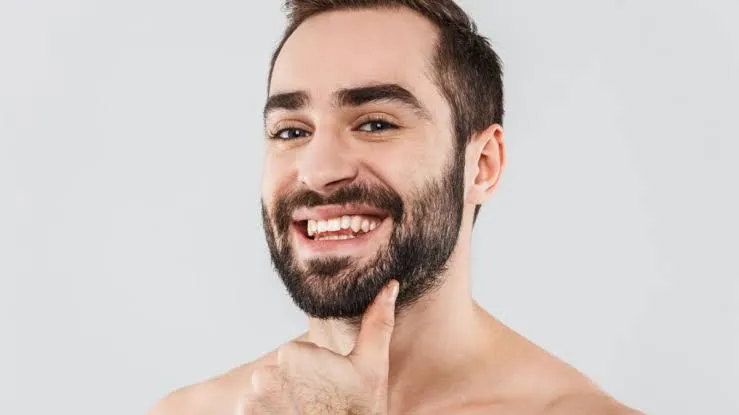
Sideburns play a significant role in facial aesthetics, acting as a frame for the face and contributing to the overall balance of one's features. For individuals experiencing thinning or a complete absence of hair in this region, the search for a permanent solution often leads to exploring advanced hair restoration techniques. The Sideburn Hair Transplant in Abu Dhabi has become a popular method for those looking to enhance their facial hair symmetry and definition. By understanding the nuances of how this procedure is performed and the factors that contribute to a natural look, you can better determine if this is the right path for your aesthetic goals.
- Sideburns are essential for facial framing and symmetry.
- Hair thinning or absence in this area can be addressed through restorative procedures.
- The procedure focuses on achieving aesthetic balance and a natural appearance.
The Art and Science of Facial Hair Restoration
The primary goal of any hair restoration procedure, particularly in the facial region, is to mimic the natural growth pattern of the surrounding hair. Unlike scalp hair, which often grows in a uniform direction, sideburn hair tends to lie flatter against the skin and follow a specific angle that tapers down toward the jawline. Specialists in this field utilize precise extraction and implantation techniques to ensure that the transplanted follicles respect these natural growth angles, which is the cornerstone of a successful, undetectable result.
- Natural growth patterns must be replicated for an authentic look.
- Facial hair has unique angles and densities compared to the scalp.
- Precision in implantation determines the final aesthetic outcome.
Understanding the Transplantation Process
A hair transplant is essentially a process of redistribution. For sideburn restoration, hair follicles are typically harvested from a donor site—usually the back of the scalp—where hair density is most robust, and the follicles are genetically programmed to continue growing. Once harvested, these follicles are prepared and meticulously placed into the recipient area of the sideburns. The complexity lies in the density and orientation; the practitioner must place individual hairs at the correct depth to ensure the new growth integrates seamlessly with existing facial hair or skin texture.
- Donor hair is selected from the scalp for its durability.
- Individual follicular units are harvested and prepared for implantation.
- The placement phase requires extreme attention to detail regarding depth and direction.
Why Symmetry Matters in Facial Aesthetics
The sideburns serve as a bridge between the scalp and the beard or jawline. When this bridge is interrupted or absent, it can alter the perceived shape of the face. A well-constructed sideburn can make the jawline appear more defined and the face look more proportionate. By restoring this area, individuals often find that their profile is enhanced, providing a subtle yet impactful change to their overall appearance. The focus is always on creating a look that is in harmony with the patient’s existing facial structure rather than creating an artificial or overly stylized shape.
- Sideburns provide a visual link between the scalp and the jawline.
- Properly restored sideburns contribute to a more defined facial profile.
- The goal is aesthetic harmony with the patient’s natural facial structure.
The Evolution of Hair Implantation Techniques
Modern advancements in hair restoration have shifted toward minimally invasive techniques that prioritize quick healing and natural-looking density. By using specialized instruments, practitioners can create microscopic incisions that are small enough to prevent visible scarring while allowing for the dense packing of hair follicles. This evolution in the field has transformed the way sideburn restoration is viewed, moving away from older, more noticeable methods toward refined, artistic placements that prioritize the integrity of the skin and the health of the transplanted follicles.
- Minimally invasive methods reduce healing time and scarring.
- Advanced instruments allow for precise, high-density placement.
- Technology has enabled a shift toward more artistic and natural-looking outcomes.
Managing Expectations During the Growth Phase
It is important to understand that the final result of a hair transplant is not instantaneous. After the procedure, the transplanted hair often sheds within the first few weeks; this is a normal part of the physiological cycle of hair follicles. New growth typically begins to emerge after a few months, and the hair continues to mature in thickness and texture over the following year. Patience is a key component of the process, as the follicles need time to establish a blood supply and resume their natural growth cycle in their new location.
- Initial shedding of transplanted hair is a standard part of the recovery process.
- New, permanent hair growth occurs in stages over several months.
- Full maturity and final results are typically achieved within a year.
Factors That Influence Natural-Looking Results
Several variables determine how "real" the final result appears. The caliber of the hair (the thickness of the individual strand), the texture, and the color matching between the donor site and the sideburn area are paramount. Additionally, the skill of the professional performing the procedure in creating an irregular, natural hairline—rather than a straight, artificial line—is essential. By mimicking the subtle irregularities found in natural hair growth, the final sideburns appear as though they have always been there.
- Matching hair texture and color is vital for seamless integration.
- An irregular, natural hairline is preferred over a perfectly straight line.
- Practitioner skill in creating a natural flow is the biggest factor in success.
Grooming and Maintenance After Restoration
Once the transplanted hair has fully grown, it behaves just like natural facial hair. It will grow at a normal rate and require the same level of grooming as the rest of your beard or sideburns. Because the hair is sourced from the scalp, some patients find that it grows slightly faster or with a different texture initially, but this can be easily managed with regular trimming and maintenance. Establishing a consistent grooming routine ensures that the restored sideburns remain neat and continue to blend perfectly with your existing style.
- Transplanted hair functions and grows like natural facial hair.
- Regular trimming is necessary to maintain the desired length and shape.
- Maintenance helps the new hair integrate into a daily grooming routine.
Long-Term Benefits of Facial Hair Symmetry
Investing in the restoration of sideburns is often seen as a permanent solution to a long-term aesthetic concern. Because the follicles are harvested from permanent donor zones, the results are intended to be lasting. For those who have felt self-conscious about patchy or missing sideburns, the procedure offers a boost in confidence and a more polished appearance. It allows for greater flexibility in choosing hairstyles and beard shapes, as the sideburns can now serve as an effective anchor for various grooming styles.
- The results are generally permanent due to the nature of the donor follicles.
- Increased confidence is a major psychological benefit of the procedure.
- Restored sideburns offer more versatility in personal grooming and styling.
Conclusion: Making an Informed Decision
Deciding to undergo a hair restoration procedure is a personal journey that begins with understanding the possibilities and limitations of modern techniques. By prioritizing the technical skill of the practitioner and focusing on natural aesthetic principles, it is entirely possible to achieve results that look indistinguishable from natural growth. When approached with realistic expectations and an understanding of the growth cycle, sideburn restoration can be a highly rewarding way to enhance one's natural features and achieve a balanced, confident look.
- Restoration is a rewarding path for those seeking a permanent change.
- Knowledge and realistic expectations are essential for satisfaction.
- A professional, artistic approach ensures the most natural-looking outcomes.
Frequently Asked Questions
Is the hair used for sideburn restoration permanent?
Yes, the hair follicles used for the procedure are typically sourced from the back of the scalp, which is genetically resistant to the factors that cause hair loss. Once these follicles are successfully transplanted and establish a blood supply, they continue to grow for a lifetime, just as they would have in their original location.
How soon after the procedure will I see the final results?
While you may see the hair implanted immediately, it will likely shed within a few weeks. New, permanent hair will begin to grow in around three to four months. It generally takes about 10 to 12 months for the hair to fully mature in thickness and density, at which point you will see the final result.
Will the transplanted hair match my existing facial hair?
Achieving a seamless match is a primary focus of the procedure. A skilled practitioner selects donor hair that closely resembles the texture and caliber of your existing sideburn or beard hair. Over time, as the hair matures, it often adapts slightly to its new environment, blending in naturally with your surrounding facial features.
Can I style my sideburns normally after the transplant?
Once the recovery period is complete and the hair has fully grown in, you can treat it exactly like your natural hair. You can trim, shave, or style it however you prefer. Because the hair is your own, it responds to grooming products and styling tools just like the rest of your hair, allowing you to maintain the look you desire.