Does laser tattoo removal work on deep ink
99 Views
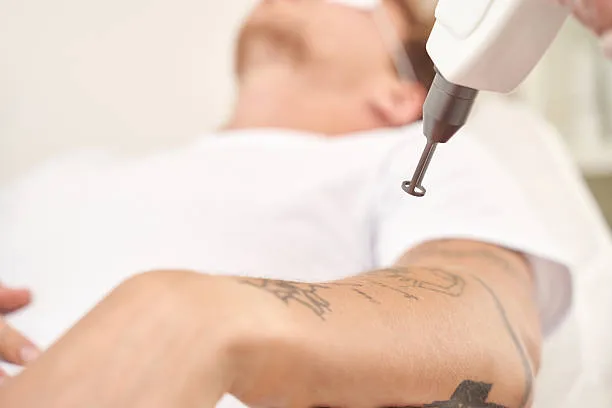
Tattoos are created by placing pigment beneath the outer layer of the skin, and in many cases, the ink is deposited at varying depths depending on the style, technique, and intensity of the design. When people decide to remove a tattoo, one of the most common concerns is whether deeply embedded ink can be successfully treated. For individuals exploring laser tattoo removal in Abu Dhabi, understanding how modern laser technology interacts with deep ink is essential for setting realistic expectations. The encouraging reality is that laser tattoo removal can work on deep ink, although the process requires a more gradual and carefully structured approach. Because deeper pigment sits further beneath the skin’s surface, it typically takes more time and multiple sessions for the body to fully break down and remove the ink particles.
How Laser Tattoo Removal Targets Ink Beneath the Skin
Laser tattoo removal works by delivering concentrated pulses of light energy into the tattoo pigment. When the laser reaches the ink, it causes the particles to break apart into much smaller fragments. These tiny particles are then gradually processed and removed by the body’s natural systems over time.
This process is effective regardless of whether the ink is shallow or deep, but the depth of the pigment determines how easily the laser energy can reach and interact with it. Shallow ink is typically targeted more quickly, while deeper ink requires more energy penetration and repeated treatment sessions to achieve the same level of breakdown.
The laser does not remove the ink instantly but instead initiates a gradual fading process that continues between treatments.
What Makes Deep Ink More Challenging to Treat
Deep ink tattoos are often the result of either professional tattooing techniques or heavy shading that pushes pigment further into the dermis layer of the skin. Because the ink is located deeper, it is naturally more protected from surface-level treatment.
This means the laser must penetrate further into the skin to reach the pigment effectively. As a result, each session may only break down a portion of the deeper ink, requiring a longer overall treatment plan.
The challenge is not that deep ink cannot be treated, but that it requires more time for the body to process the fragmented pigment after each session.
Can Laser Technology Reach Deep Tattoo Pigment?
Modern laser systems are designed with adjustable wavelengths that allow energy to penetrate different depths of the skin. This makes it possible for laser tattoo removal to target both shallow and deep ink effectively.
When treating deeper pigment, the laser settings are carefully adjusted to ensure that the energy reaches the correct depth without affecting surrounding skin structures. This precision allows the treatment to remain focused on the tattoo pigment while supporting gradual fading over time.
Although deep ink requires more controlled application, it remains a suitable candidate for laser-based removal techniques.
Why Deep Ink Requires More Treatment Sessions
The number of sessions needed for deep ink removal is generally higher because each laser treatment only breaks down a portion of the pigment at a time. Since the ink is located further beneath the skin, it takes longer for both the laser energy to reach it and for the body to process the fragmented particles.
Between sessions, the body gradually works to eliminate the broken-down ink through its natural processes. This ongoing biological activity is essential for the fading effect to progress.
As a result, deep ink tattoos fade more slowly, but they continue to respond steadily with each treatment cycle.
The Role of Ink Density and Tattoo Technique
Deep ink is often associated with dense tattooing techniques that pack more pigment into a smaller area. This density can influence how the tattoo responds to laser energy.
Heavily saturated areas may require repeated exposure to laser pulses before the ink begins to break apart effectively. In contrast, areas with lighter pigment distribution may respond more quickly even within the same tattoo.
The combination of depth and density determines how the tattoo will gradually fade over time.
How the Body Removes Deep Ink After Treatment
Once the laser breaks the deep tattoo ink into smaller particles, the body begins the natural process of clearing these fragments. This occurs gradually through biological systems that process and eliminate foreign particles over time.
Because deep ink is initially more resistant to breakdown, the body requires a longer period to fully clear it from the skin. However, with each treatment session, more pigment is reduced, allowing the tattoo to become progressively lighter.
This natural clearance process continues between sessions and is essential for achieving long-term fading.
Tattoo Location and Its Effect on Deep Ink Removal
The location of a tattoo can also influence how deep ink responds to laser treatment. Areas of the body with stronger circulation may process pigment more efficiently, while other areas may take longer to show visible fading.
Tattoos on thicker skin regions or areas with less blood flow may require additional sessions to achieve the same level of fading. However, location does not prevent treatment; it simply affects the pace at which results appear.
Each area is treated according to its unique characteristics to ensure balanced progress.
What to Expect During the Fading Process
Laser tattoo removal of deep ink is a gradual process that unfolds over multiple sessions. After each treatment, the tattoo begins to lighten as the body processes the fragmented pigment.
Initially, changes may appear subtle, especially with deeper ink layers. Over time, however, repeated sessions lead to more noticeable fading as the ink continues to break down and be eliminated.
Some sections of the tattoo may fade faster than others depending on how deeply the pigment was originally placed.
Can Deep Ink Tattoos Be Completely Removed?
Many deep ink tattoos can be significantly faded, and in some cases, they may become nearly invisible after a full treatment plan. However, complete removal depends on several factors, including ink composition, depth variation, tattoo age, and individual biological response.
Because deep ink is more embedded in the skin, it may occasionally leave faint traces even after extensive treatment. However, the overall reduction in visibility is often substantial.
The outcome varies from person to person, but meaningful fading is achievable in most cases.
Advancements That Improve Deep Ink Treatment
Advances in laser technology have greatly improved the ability to treat deep ink tattoos. Modern systems offer enhanced precision, allowing for better targeting of pigment at various skin depths.
These improvements make it possible to adjust energy levels and wavelengths more effectively, ensuring that deeper ink can be reached without unnecessary impact on surrounding tissue.
As technology continues to evolve, treatment outcomes for deep ink tattoos continue to improve.
Conclusion
Laser tattoo removal does work on deep ink, although it requires a more gradual and carefully structured approach compared to shallower tattoos. Deep pigment sits further beneath the skin, making it more resistant to immediate breakdown, but modern laser technology is capable of targeting it effectively over multiple sessions. Through controlled energy delivery, personalized treatment planning, and the body’s natural ability to process fragmented ink, deep tattoos can be significantly faded over time. While complete removal depends on several individual factors, most deep ink tattoos show meaningful and progressive improvement with consistent treatment.
FAQs
Q: Does laser tattoo removal work on deep ink?
A: Yes. Laser technology can target deep ink, but it typically requires more sessions due to the pigment’s location beneath the skin.
Q: Why does deep ink take longer to remove?
A: Deep ink is located further beneath the skin and often contains dense pigment, making it slower for the laser and body to process.
Q: Can all deep tattoos be completely removed?
A: Many deep tattoos can be significantly faded, but complete removal depends on factors like ink type, depth, and individual response.
Q: Does tattoo age affect deep ink removal?
A: Yes. Older tattoos may fade more easily over time, which can make deep ink more responsive to laser treatment.
Q: Is deep ink removal the same for all body areas?
A: No. Different body areas may process ink at different rates depending on circulation and skin characteristics.