Does a CBRN Filtration System Work?
70 Views
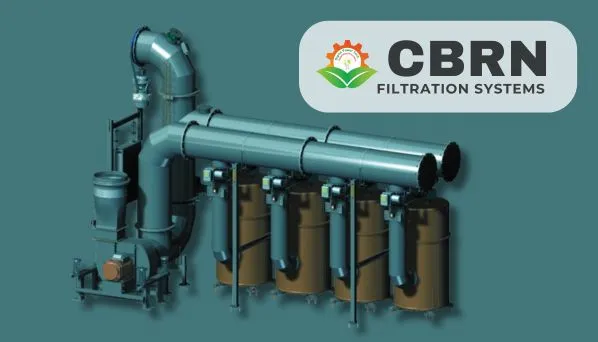
During a routine security drill at an underground military bunker, an alarm signals a simulated chemical attack outside the facility. Within seconds, external air intakes switch to protected mode, the ventilation system activates specialized filters, and positive pressure is established inside the shelter. Personnel continue operating safely because contaminated air never reaches the occupied space. This simple sequence demonstrates why understanding how a CBRN Filtration System works is essential for anyone involved in defence infrastructure, emergency preparedness, or critical industrial facilities.
Why a CBRN Filtration System Matters
Airborne hazards remain one of the greatest challenges during chemical accidents, biological incidents, radiological emergencies, and nuclear events. Even well-designed buildings can become unsafe if contaminated air enters through conventional ventilation systems.
A CBRN Filtration System is engineered to protect enclosed spaces by filtering hazardous airborne contaminants before they enter occupied areas. Unlike standard HVAC equipment, these systems are specifically designed to remove radioactive particles, biological aerosols, toxic gases, and chemical warfare agents while maintaining a controlled indoor environment.
For military installations, government facilities, industrial plants, and emergency shelters, this technology forms a critical layer of life safety.
What is a CBRN Filtration System?
A CBRN filtration system is a specialized air protection system designed to provide clean, breathable air during contamination events.
Its primary objective is to prevent harmful airborne substances from entering protected facilities while maintaining sufficient ventilation for occupants. The system combines mechanical filtration, chemical adsorption, airflow control, and pressure management to achieve reliable protection.
An nbc filter system differs from conventional air filtration because it is designed for emergency operation rather than everyday indoor air quality improvement.
How Does a CBRN Filtration System Work?
Step-by-Step Operation of a CBRN Filtration System
Although system designs vary depending on facility requirements, the operating principle remains consistent.
The first stage begins with pre-filtration. Large dust particles and airborne debris are removed before the air reaches sensitive filtration components. This improves efficiency and extends filter life.
Next, incoming air passes through HEPA filters. These high-efficiency filters capture microscopic radioactive particles, biological aerosols, bacteria, spores, and other hazardous particulates that may be suspended in the air.
The third stage uses activated carbon filters. Unlike HEPA filters, activated carbon removes toxic gases, vapours, and chemical warfare agents through adsorption. Specially treated carbon media are selected according to the expected threat profile.
After filtration, clean air is supplied into the protected facility under positive pressure. Maintaining a higher internal air pressure than the surrounding environment prevents contaminated outside air from entering through minor structural openings.
Modern systems also include environmental control equipment that continuously monitors airflow, pressure levels, and system performance to ensure reliable operation throughout an emergency.
Key Features That Improve System Performance
A well-designed CBRN filtration system combines multiple engineering features to deliver dependable protection.
Important characteristics include:
- High-efficiency HEPA filtration
- Activated carbon filtration for hazardous gases
- Toxic chemical adsorption capability
- Biological contaminant protection
- Radioactive particle removal
- Positive pressure ventilation
- Corrosion-resistant equipment construction
- Continuous air monitoring compatibility
- Energy-efficient operation
- Modular system design
- Low maintenance requirements
- Long operational lifespan
- Reliable emergency performance
Together, these features ensure consistent protection while supporting continuous facility operations.
Where CBRN Filtration Systems are Used
These systems are installed wherever uninterrupted operation and occupant safety are essential.
Typical applications include:
- Military shelters
- Defence installations
- Command and control centres
- Ammunition storage facilities
- Nuclear power plants
- Chemical processing plants
- Petrochemical facilities
- Government security buildings
- Underground bunkers
- Emergency shelters
- Strategic infrastructure
- Data centres
- Critical industrial facilities
The increasing demand for NBC filter for bunker installations reflects the growing need for hardened facilities capable of supporting personnel during extended contamination events.
Choosing the Right System
Every project requires a filtration system designed around its specific operational risks.
Engineers evaluate threat assessment reports, airflow capacity requirements, filtration efficiency, occupancy levels, facility size, environmental conditions, compliance obligations, installation complexity, monitoring systems, maintenance planning, and expected lifecycle performance.
Although procurement teams often search online for NBC air filtration system price or Nbc filtration system in faridabad price, experienced engineers understand that selecting equipment based solely on cost can compromise long-term protection.
System reliability, validated testing, maintenance accessibility, and engineering suitability provide significantly greater value throughout the operational life of the facility.
Readers interested in the engineering design and operating principles behind these systems can explore this detailed guide on CBRN Filtration System for additional technical information.
What Buyers Should Look for in a Manufacturer
Choosing an experienced manufacturer is just as important as selecting the right equipment.
Key evaluation factors include:
- Proven defence engineering expertise
- Advanced manufacturing capabilities
- Product testing and validation procedures
- Compliance with defence and industrial standards
- Customization options
- Technical documentation quality
- Installation and commissioning support
- Preventive maintenance services
- Availability of replacement components
- Long-term engineering assistance
Organizations comparing the Top cbrn filtration system manufacturers in india or the Top NBC filtration system manufacturers in india should evaluate engineering experience, quality assurance processes, and documented project performance before making procurement decisions.
Common Mistakes to Avoid
Several common mistakes can reduce the effectiveness of a filtration system.
Installing equipment without a detailed threat assessment often results in inadequate protection.
Ignoring airflow calculations can prevent the system from maintaining proper positive pressure, increasing contamination risks.
Other frequent issues include underestimating filtration requirements, selecting systems solely on purchase price, overlooking maintenance planning, neglecting regulatory compliance, delaying filter replacement, failing to consider future expansion, and commissioning systems without comprehensive testing.
Regular inspections, scheduled maintenance, and periodic performance verification remain essential throughout the system's operational life.
Conclusion
Understanding how a CBRN Filtration System works helps facility owners, engineers, and defence planners make informed decisions about contamination protection. By combining HEPA filtration, activated carbon technology, positive pressure ventilation, environmental monitoring, and carefully engineered airflow management, these systems provide dependable protection against chemical, biological, radiological, and nuclear threats.
Whether protecting military bunkers, industrial plants, government buildings, or critical infrastructure, the right solution should always be selected through thorough threat assessment, engineering analysis, regulatory compliance, and long-term maintenance planning. A properly engineered CBRN Filtration System remains one of the most effective investments for safeguarding occupants, ensuring operational continuity, and strengthening resilience against today's evolving airborne threats.
Related Reading
Top 10 Hidden Secrets About Business & Finance You Need to Know
Welcome to our in-depth exploration of Business & Finance. In an era defined...
Why Business & Finance is Transforming the Global Industry Landscape
Welcome to our in-depth exploration of Business & Finance. In an era defined...