Different Types of Saree Weaves and How to Identify Traditional Sarees
17 Views
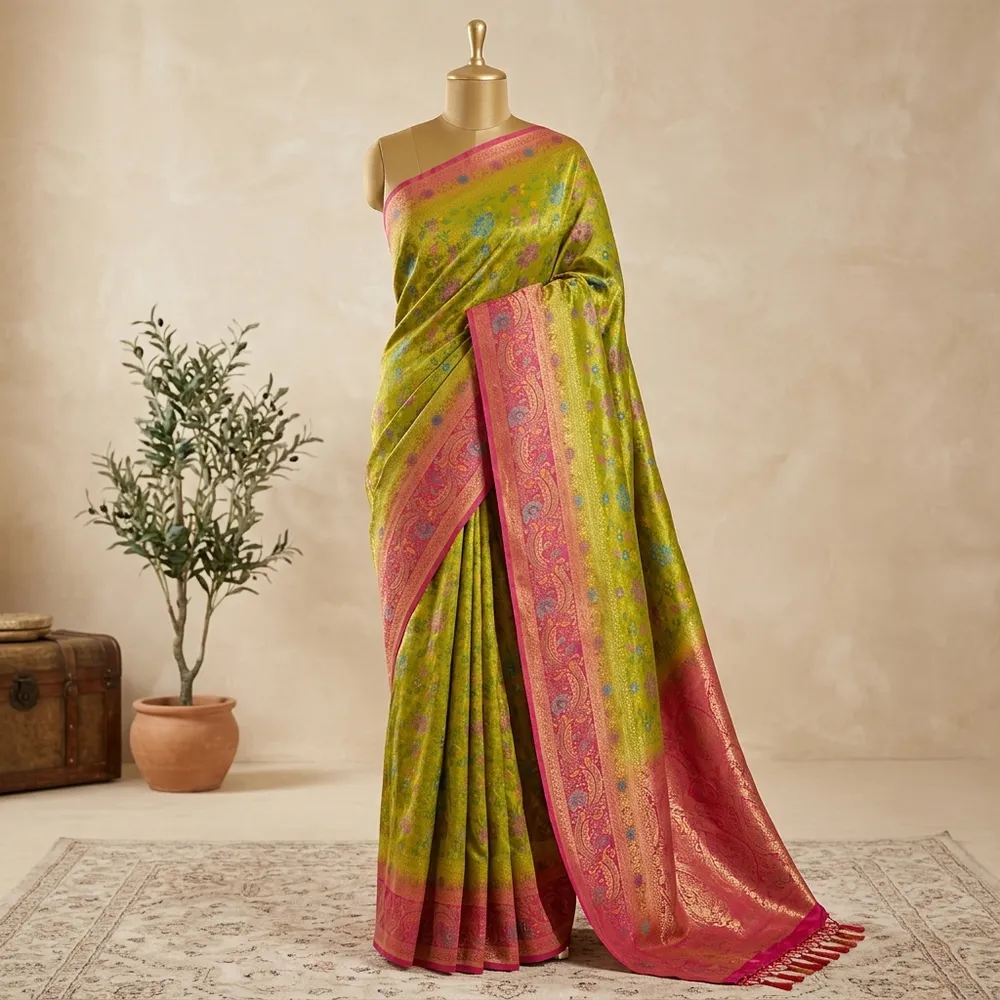
Sarees have been an important part of Indian fashion for generations, with each region offering its own weaving techniques, motifs, and distinctive designs. From the rich silk sarees of Banaras to the lightweight cotton sarees of Bengal, traditional Indian sarees reflect the craftsmanship and cultural heritage of the communities that create them.
Understanding different types of saree weaves can help you appreciate the details behind each design and make more informed choices when shopping for ethnic wear. Whether you are looking for a saree for a wedding, a festive celebration, or everyday wear, knowing how to identify traditional sarees can help you choose a style that suits your needs.
What Is a Saree Weave?
A saree weave refers to the technique used to interlace threads to create fabric. The weaving method, type of yarn, colour combinations, and decorative patterns all contribute to the saree's appearance and texture.
Some sarees are known for their intricate silk patterns and elaborate borders, while others feature simple geometric designs or breathable cotton textures. Traditional weaving techniques often vary by region, which is why certain sarees are closely associated with specific parts of India.
The weave can also influence the fabric's weight, drape, texture, and suitability for different occasions.
Different Types of Traditional Saree Weaves
1. Banarasi Saree Weave
Banarasi sarees originate from Varanasi in Uttar Pradesh and are particularly popular for weddings and formal celebrations. They are traditionally made using silk and are known for elaborate motifs, decorative borders, and rich brocade work.
Common designs include floral patterns, paisleys, and intricate motifs inspired by traditional Indian art. Gold or silver-coloured zari work is also a prominent feature of many Banarasi sarees.
How to identify it: Look for detailed brocade patterns, richly designed borders, and decorative motifs woven into the fabric. However, designs and materials vary, so check the product description to confirm the fabric and weaving details.
2. Kanjeevaram Silk Saree Weave
Kanjeevaram sarees, also called Kanchipuram silk sarees, come from Tamil Nadu. They are widely recognised for their substantial silk fabric, contrasting borders, and traditional motifs.
These sarees often feature temple-inspired patterns, checks, stripes, and nature-inspired designs. Contrasting colours between the body and border are common, although contemporary styles offer many variations.
How to identify it: Examine the border, the contrast between the body and pallu, and the overall richness of the silk. Traditional Kanjeevaram sarees may have distinctive border construction, but appearance alone cannot confirm authenticity.
3. Paithani Saree Weave
Paithani sarees are traditionally associated with Maharashtra, particularly the town of Paithan. These silk sarees are known for colourful woven motifs and decorative pallus.
Peacock, lotus, and other nature-inspired designs are commonly associated with Paithani weaving. Their vibrant colour combinations make them popular for weddings and important family celebrations.
How to identify it: Look for colourful motifs woven into the pallu and borders, often featuring peacocks or floral patterns. Check whether the designs are woven into the fabric rather than simply printed on the surface.
4. Chanderi Saree Weave
Chanderi sarees originate from Madhya Pradesh and are valued for their lightweight fabric, subtle sheen, and elegant appearance. Depending on the variety, they may be woven using silk, cotton, or combinations of different yarns.
Their designs often include small motifs, delicate borders, and understated decorative patterns. Chanderi sarees can be suitable for festive gatherings, daytime functions, and occasions where a lighter outfit is preferred.
How to identify it: Look for a light, airy fabric with a gentle sheen and delicate woven motifs. Since Chanderi sarees come in different fabric compositions, check the material details before purchasing.
5. Jamdani Saree Weave
Jamdani is a traditional weaving technique associated especially with Bengal and Bangladesh. It is known for decorative motifs that appear to float across a fine fabric background.
Floral, geometric, and nature-inspired patterns are common. The motifs are created during weaving, requiring considerable skill and attention to detail.
How to identify it: Examine the motifs closely. Traditionally woven Jamdani designs are integrated into the fabric rather than printed onto it. The fine texture and carefully arranged patterns are useful clues when evaluating a saree.
6. Baluchari Saree Weave
Baluchari sarees are associated with West Bengal and are recognised for their detailed pallus, which may depict scenes from mythology, historical stories, or traditional cultural life.
Silk is commonly used, and the elaborate designs make these sarees suitable for weddings, cultural functions, and formal occasions.
How to identify it: Pay particular attention to the pallu, where narrative scenes and detailed woven motifs may appear. The quality of the pattern and the weaving details can help distinguish this style from sarees with printed designs.
7. Patola Saree Weave
Patola sarees from Gujarat are renowned for their intricate geometric patterns and traditional tie-dye techniques. Double ikat Patola weaving saree is especially complex because both the warp and weft threads are dyed before weaving to create the final design.
Traditional motifs may include geometric shapes, flowers, parrots, and elephants. Patola sarees are often valued for their detailed craftsmanship.
How to identify it: Look for precise, repeating patterns that align across the fabric. In authentic double ikat weaving, the design is formed through the dyed threads rather than being printed onto the finished saree. Confirm the weaving method with the seller, as not every saree marketed as Patola uses the same technique.
8. Tant Saree Weave
Tant sarees are traditional cotton sarees associated with West Bengal. They are generally lightweight and breathable, making them popular for everyday wear, warm weather, and cultural occasions.
They often feature distinctive borders and simple or decorative motifs. Their practical nature makes them a useful option for women who prefer traditional clothing for regular use.
How to identify it: Look for the cotton texture, relatively light fabric, and traditional borders. Fabric weight and design can vary, so the material description is important when buying online.
Explore Traditional Sarees at Ohri Sons Exclusive
Traditional sarees bring together regional craftsmanship, distinctive patterns, and the enduring appeal of Indian ethnic fashion. Understanding the differences between Banarasi, Kanjeevaram, Paithani, Chanderi, Jamdani, Baluchari, Patola, and Tant sarees can help you explore different styles with greater confidence.
When browsing sarees at Ohri Sons Exclusive, consider the occasion, fabric composition, design, and product details to find an option that matches your preferences. Taking time to understand these features can help you choose a saree that complements your style while appreciating the traditions behind Indian weaving.