Diamond Cut Alloy Wheel Repair: A Complete Guide to Restoring Premium Wheel Finishes
By husna
94 Views
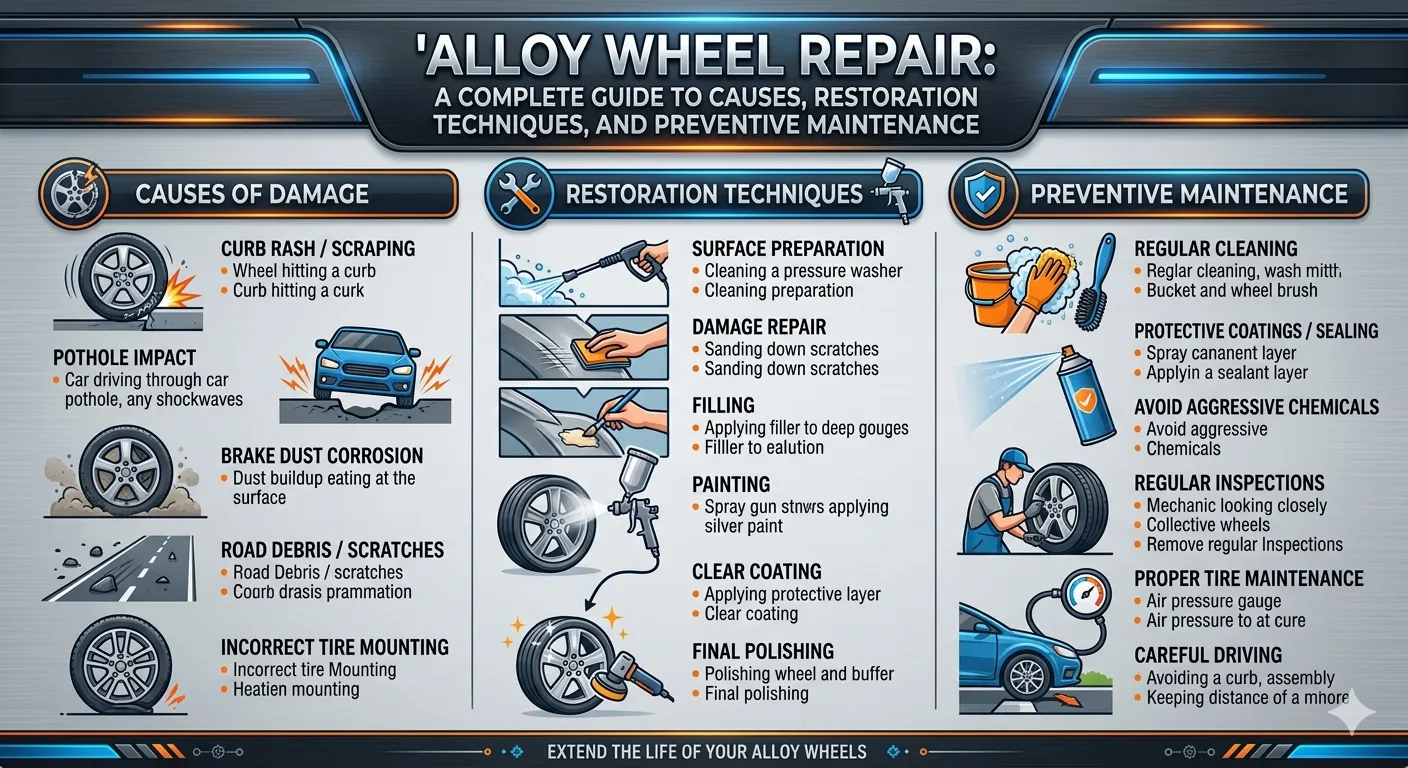
Diamond cut alloy wheels are widely admired for their premium, high-gloss appearance and precision-machined finish. They are commonly found on modern vehicles because they combine stylish aesthetics with strong performance. However, despite their attractive design, diamond cut wheels are more delicate than standard painted or powder-coated wheels. Over time, they can suffer from corrosion, scratches, curb damage, and lacquer peeling. Fortunately, diamond cut alloy wheel repair provides a specialized solution to restore these wheels to their original showroom look.
Because of their unique manufacturing process, diamond cut wheels require precise machinery and expert handling during repair. Understanding how they work, why they get damaged, and how they are restored can help vehicle owners make informed decisions about maintenance and refurbishment.
This guide explains everything you need to know about diamond cut alloy wheel repair, including the process, common issues, maintenance tips, and when repair or replacement is appropriate.
What Are Diamond Cut Alloy Wheels?
Diamond cut alloy wheels are a type of alloy wheel that undergoes a precision machining process to create a shiny, reflective surface.
The process typically involves:
- Painting the wheel base color
- Using a CNC lathe to shave a thin layer from the face
- Applying a protective clear lacquer coating
This creates a distinctive dual-tone effect with a polished, mirror-like finish on the exposed areas.
Diamond cut wheels are popular because they offer:
- Premium appearance
- High-end styling
- Sharp reflective finish
- Enhanced visual detail
However, the thin machined layer makes them more sensitive to damage compared to other wheel finishes.
Why Diamond Cut Wheels Get Damaged
Although they look elegant, diamond cut wheels are vulnerable to several types of damage.
Curb Contact
Even light contact with a curb can damage the delicate machined surface.
This may result in:
- Scratches
- Edge scuffs
- Surface marks
Moisture and Corrosion
Once the protective lacquer is compromised, moisture can reach the metal surface and cause corrosion.
Road Debris
Small stones and gravel can chip the lacquer coating.
Brake Dust Build-Up
Brake dust contains fine particles that may damage the protective layer if not cleaned regularly.
Weather Exposure
Rain, road salt, and UV rays can weaken the clear coat over time.
Common Signs of Damage
Damage to diamond cut wheels often becomes visible gradually.
Peeling Lacquer
The clear coat may begin to lift or flake.
White Corrosion Spots
Corrosion may appear beneath the lacquer layer.
Scratches on Machined Surface
The reflective surface may lose its smooth finish.
Dull Appearance
The wheel may lose its shine and appear uneven.
Edge Damage
Curb rash is especially noticeable on diamond cut wheels.
Why Diamond Cut Wheels Require Special Repair
Unlike standard painted wheels, diamond cut wheels cannot be simply touched up.
This is because:
- The surface is precision-machined
- The finish depends on exact cutting depth
- Even minor imperfections are visible
- Matching factory finish requires specialized equipment
This is why diamond cut alloy wheel repair must be performed using CNC machining technology.
Understanding the Diamond Cut Repair Process
Professional repair involves several technical steps.
Initial Inspection
Technicians assess:
- Surface damage
- Corrosion level
- Structural integrity
- Suitability for re-cutting
Not all wheels are suitable for diamond cut refurbishment.
Paint Removal
The existing lacquer and paint layers are stripped from the wheel surface.
This prepares the wheel for machining.
Structural Repair (If Needed)
If there is curb damage or minor deformation, it is corrected before machining.
CNC Machining Process
During diamond cut alloy wheel repair, a CNC lathe is used to remove a thin layer of metal from the wheel face.
This restores:
- Smooth reflective surface
- Factory-style finish
- Uniform appearance
Precision is critical at this stage.
Cleaning and Preparation
After machining, the wheel is cleaned thoroughly to remove debris and residues.
Clear Lacquer Application
A protective lacquer is applied to:
- Prevent corrosion
- Maintain shine
- Protect machined surface
Curing Process
The lacquer is cured under controlled conditions for durability.
Final Inspection
The wheel is checked for:
- Surface consistency
- Finish quality
- Structural safety
Benefits of Diamond Cut Alloy Wheel Repair
Professional repair offers several advantages.
Restored Premium Appearance
Wheels regain their original high-gloss finish.
Cost Savings
Repair is often cheaper than full wheel replacement.
Maintains Factory Look
Machining restores the original design aesthetic.
Improved Protection
New lacquer helps protect against future damage.
Extended Wheel Lifespan
Proper repair can extend usability of the wheel.
Limitations of Diamond Cut Repairs
While effective, there are some limitations.
Limited Repair Cycles
Each machining process removes material, so repairs can only be done a limited number of times.
Not Suitable for Severe Damage
Deep cracks or structural issues may require replacement.
Risk of Finish Variation
Slight differences may appear after multiple refurbishments.
Exposure Risk
If lacquer is damaged again, corrosion can reappear quickly.
Diamond Cut Repair vs Painted Wheel Repair
These two repair methods are very different.
Diamond Cut Repair
- Requires CNC machining
- Produces reflective finish
- Higher precision required
- Limited repair cycles
Painted Wheel Repair
- Uses paint and clear coat
- Easier to maintain
- More flexible repair options
- Suitable for multiple refurbishments
Maintenance Tips for Diamond Cut Wheels
Proper care helps extend wheel life.
Clean Regularly
Wash wheels frequently to remove brake dust and contaminants.
Use Non-Abrasive Cleaners
Harsh chemicals can damage lacquer coatings.
Avoid Curb Contact
Even minor impacts can damage the machined surface.
Dry After Washing
Moisture left on wheels may encourage corrosion.
Inspect Frequently
Early detection helps prevent major damage.
Common Mistakes That Lead to Damage
Delaying Repairs
Small chips can quickly turn into corrosion.
Using Strong Acids or Chemicals
These can damage lacquer coatings.
Ignoring Curb Rash
Even small scrapes can worsen over time.
Poor Cleaning Practices
Incorrect tools can scratch the surface.
When Replacement Is Necessary
Sometimes repair is not suitable.
Replacement may be needed when:
- Structural cracks are present
- Excessive material has already been machined
- Severe corrosion has spread
- Safety is compromised
A professional inspection helps determine the safest option.
Choosing a Diamond Cut Repair Specialist
Because of the technical nature of the process, selecting the right service provider is important.
CNC Equipment Availability
Proper machining equipment is essential for accurate results.
Experience with Diamond Cut Wheels
Specialized experience ensures better outcomes.
Quality Control Standards
Inspection procedures help maintain safety and finish quality.
Customer Reviews
Feedback can indicate service reliability.
Warranty Options
Some providers offer guarantees on refurbishment work.
How Long Does a Diamond Cut Repair Last?
Repair durability depends on:
- Driving conditions
- Maintenance habits
- Environmental exposure
- Quality of lacquer application
With proper care, repaired wheels can last several years before needing attention again.
Conclusion
Diamond cut wheels offer a premium and stylish appearance, but their delicate finish makes them more prone to damage than other wheel types. Fortunately, diamond cut alloy wheel repair provides a precise and effective way to restore their original shine and appearance. Through CNC machining, careful surface preparation, and protective lacquer application, damaged wheels can often be returned to a near-factory finish.
If your diamond cut wheels show signs of peeling lacquer, scratches, or corrosion, early action can help prevent further deterioration. For professional guidance and restoration services, Find a specialist near you who can evaluate your wheels and recommend the most suitable repair or refurbishment option. There are many companies that offer diamond cut wheel repair services, helping vehicle owners restore premium wheel finishes safely and effectively.