Diamond and Sapphire Engagement Rings: A Timeless Choice for Modern Couples
By Lucas Willy
24 Views
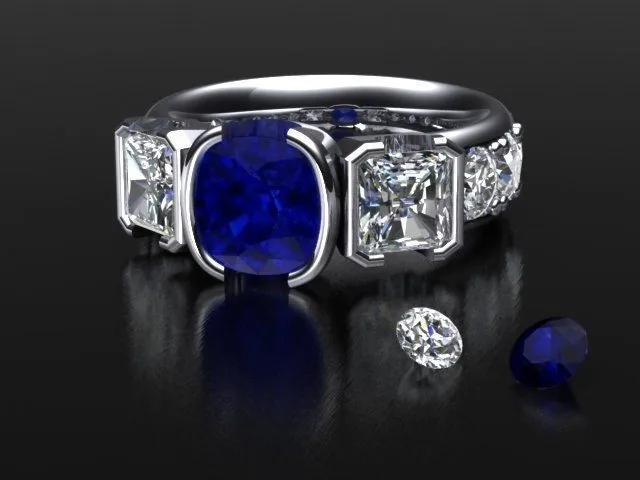
Choosing an engagement ring is about more than selecting a beautiful piece of jewelry. The right ring can represent personality, style, commitment, and the unique story shared by two people. While traditional diamond engagement rings remain popular, diamond and sapphire engagement rings offer a distinctive combination of brilliance, color, and symbolism.
Whether you prefer a classic diamond center stone accented by blue sapphires or a sapphire centerpiece surrounded by sparkling diamonds, this combination provides plenty of opportunities for personalization.
What Is a Diamond and Sapphire Engagement Ring?
A diamond and sapphire engagement ring combines these two gemstones in a single design. The diamond may serve as the center stone, while sapphires are used as side stones, halo accents, or decorative details. Alternatively, a blue sapphire can take center stage with diamonds surrounding it.
Diamonds are known for their exceptional brilliance and durability, while sapphires are valued for their rich color and classic appeal. Together, they create contrast that can make an engagement ring visually striking without sacrificing timeless elegance.
Why Choose a Diamond and Sapphire Engagement Ring?
There are several reasons couples choose this gemstone combination instead of a traditional all-diamond design.
1. Distinctive Color and Contrast
One of the biggest advantages is the contrast between a colorless or near-colorless diamond and a vibrant blue sapphire. The cool blue tones of sapphire can make the diamond appear even brighter.
This contrast works particularly well in:
- Halo engagement rings
- Three-stone designs
- Vintage-inspired settings
- Hidden halo rings
- Side-stone rings
- Art Deco-inspired styles
For couples who want something recognizable but less conventional, the combination offers a balanced alternative.
2. Sapphire Has Excellent Durability
Sapphire ranks 9 on the Mohs scale of mineral hardness, making it one of the harder gemstones used in fine jewelry. Diamonds rank 10, making them the hardest naturally occurring mineral.
This durability makes sapphire suitable for an engagement ring that is intended to be worn regularly. However, hardness does not mean a gemstone is impossible to damage. The setting, gemstone quality, and everyday wear habits still matter.
3. Blue Sapphire Has Lasting Appeal
Blue sapphire has remained associated with fine jewelry for generations. Its deep blue color can range from light and delicate to rich and intense depending on the stone.
The color you choose can significantly influence the personality of the ring. A lighter blue may create a softer appearance, while a deeper blue can provide stronger contrast against white metal and diamonds.
4. Multiple Design Possibilities
Diamond and sapphire rings are available in many configurations. You can create a traditional appearance or choose a more contemporary design.
For example, a round diamond surrounded by small blue sapphires creates a colorful halo. A blue sapphire center stone surrounded by diamonds produces a dramatic contrast. Three-stone designs can combine a center diamond with sapphire side stones or use a sapphire as the central gemstone.
Diamond Center Stone With Sapphire Accents
A diamond center stone with sapphire accents is a practical choice for someone who wants the brilliance of a traditional engagement ring with an unexpected touch of color.
The center diamond can be selected based on shape, carat weight, cut quality, and color. Sapphires can then be incorporated around the diamond or along the band.
Popular diamond shapes include:
- Oval
- Round
- Emerald
- Cushion
- Pear
- Princess
- Radiant
An oval diamond with blue sapphire accents, for example, can create an elongated appearance while maintaining a classic silhouette.
Sapphire Center Stone With Diamond Accents
If color is a priority, consider making the sapphire the focal point.
A blue sapphire center stone surrounded by diamonds can produce an elegant halo effect. The diamonds reflect light around the colored gemstone, creating additional brilliance while allowing the sapphire to remain visually dominant.
This style can also be particularly appealing for someone who wants a traditional engagement-ring shape with a colorful centerpiece.
How to Choose the Right Sapphire
Sapphire quality depends on several factors, including color, clarity, cut, carat weight, and origin.
Color
For blue sapphires, color is one of the most important characteristics. Look for a shade that appeals to you personally and appears reasonably consistent across the stone.
Clarity
Sapphires commonly contain inclusions. Unlike diamonds, a completely flawless sapphire is not necessarily required for an attractive appearance. What matters is whether inclusions affect the stone's beauty, transparency, or durability.
Cut
A well-cut sapphire can improve how the stone interacts with light. The cut should help display the gemstone's color while giving the ring an attractive appearance from different angles.
Carat Weight
Sapphire carat weight should not be compared directly with diamond carat weight because the gemstones have different densities. Two stones with the same carat weight can have different dimensions.
For this reason, consider the actual measurements and visual proportions of the gemstone when comparing rings.
Choosing the Right Diamond
If your ring features a diamond, understanding the traditional 4Cs of diamonds can help you compare stones.
Cut
Cut affects how effectively a diamond reflects light. A well-cut diamond can appear bright and lively.
Color
Diamond color refers to how much body color is visible. Many engagement-ring buyers prefer diamonds that appear white, although warmer tones can also complement certain settings.
Clarity
Clarity describes the presence of internal inclusions and external blemishes. Higher clarity grades generally indicate fewer visible characteristics, but an eye-clean diamond can offer excellent visual appeal without requiring the highest clarity grade.
Carat
Carat measures weight rather than visual size. Two diamonds with the same carat weight can appear different in size depending on their shape and proportions.
Which Metal Works Best With Sapphire and Diamond?
The metal you choose can change the overall appearance of the ring.
White Gold
White gold creates a clean, contemporary appearance and provides a neutral background for blue sapphires and diamonds.
Yellow Gold
Yellow gold creates a warmer contrast against blue sapphire. It can also give the ring a traditional or vintage-inspired appearance.
Rose Gold
Rose gold introduces pink and warm tones, creating a softer contrast with blue sapphire.
Platinum
Platinum offers a naturally white appearance and is widely used for fine jewelry. Its neutral tone allows the gemstone colors to remain the primary visual focus.
Popular Diamond and Sapphire Engagement Ring Styles


Halo Rings
A halo surrounds the center gemstone with smaller stones. A sapphire halo around a diamond can create a colorful frame, while a diamond halo around a sapphire can emphasize the center stone.
Three-Stone Rings
Three-stone designs offer a balanced composition and can combine diamonds and sapphires in different ways.
Vintage-Inspired Rings
Sapphire and diamond combinations naturally work with vintage-inspired designs featuring intricate detailing, milgrain edges, or decorative metalwork.
Hidden Halo Designs
A hidden halo places additional gemstones underneath the center stone's main viewing angle. This can provide subtle sparkle while keeping the overall design relatively understated.
How to Match the Ring to Your Personal Style
Your lifestyle and existing jewelry collection should influence your choice.
If you prefer understated jewelry, consider a solitaire-style diamond with small sapphire accents. If you enjoy colorful statement pieces, a large blue sapphire surrounded by diamonds may be more suitable.
For someone drawn to vintage jewelry, look for detailed settings and antique-inspired shapes. Those who prefer contemporary jewelry may prefer clean lines, geometric settings, and minimalist bands.
It is also worth considering whether the engagement ring needs to coordinate with a future wedding band. Some settings can make it difficult for a straight wedding band to sit flush against the engagement ring.
Are Diamond and Sapphire Engagement Rings Suitable for Everyday Wear?
Both diamond and sapphire are durable gemstones, making them appropriate for engagement jewelry. Still, daily wear requires care.
Remove your ring when doing activities that could expose it to strong impact, harsh chemicals, or unnecessary abrasion. Regularly check the setting for loose stones or damaged prongs.
Cleaning requirements can also depend on the materials and treatments used in the gemstones. When in doubt, follow the care recommendations provided by your jeweler.
Diamond and Sapphire Engagement Rings as a Personal Choice
An engagement ring does not have to follow a single traditional formula. The combination of diamond and sapphire gives couples an opportunity to incorporate color while retaining the brilliance associated with diamond jewelry.
Whether you select a diamond center stone with sapphire accents or a sapphire centerpiece surrounded by diamonds, the design can be customized through gemstone shape, setting, metal, proportions, and detailing.
At Brilani, shoppers can explore diamond and sapphire engagement ring designs that combine classic gemstone appeal with distinctive styling.
Final Thoughts
A diamond and sapphire engagement ring can offer an appealing balance of brilliance, color, durability, and individuality. Diamonds provide exceptional sparkle, while blue sapphires introduce a distinctive color that can transform the overall character of the ring.
Before choosing a ring, consider the gemstone arrangement, sapphire color, diamond quality, metal type, setting style, and how the ring will fit with your everyday lifestyle. With these factors in mind, you can select a design that feels personal and remains meaningful long after the engagement day.