Dewpoint Hygrometer: Accurate Moisture Measurement Solutions by ShawMeter
By John David
60 Views
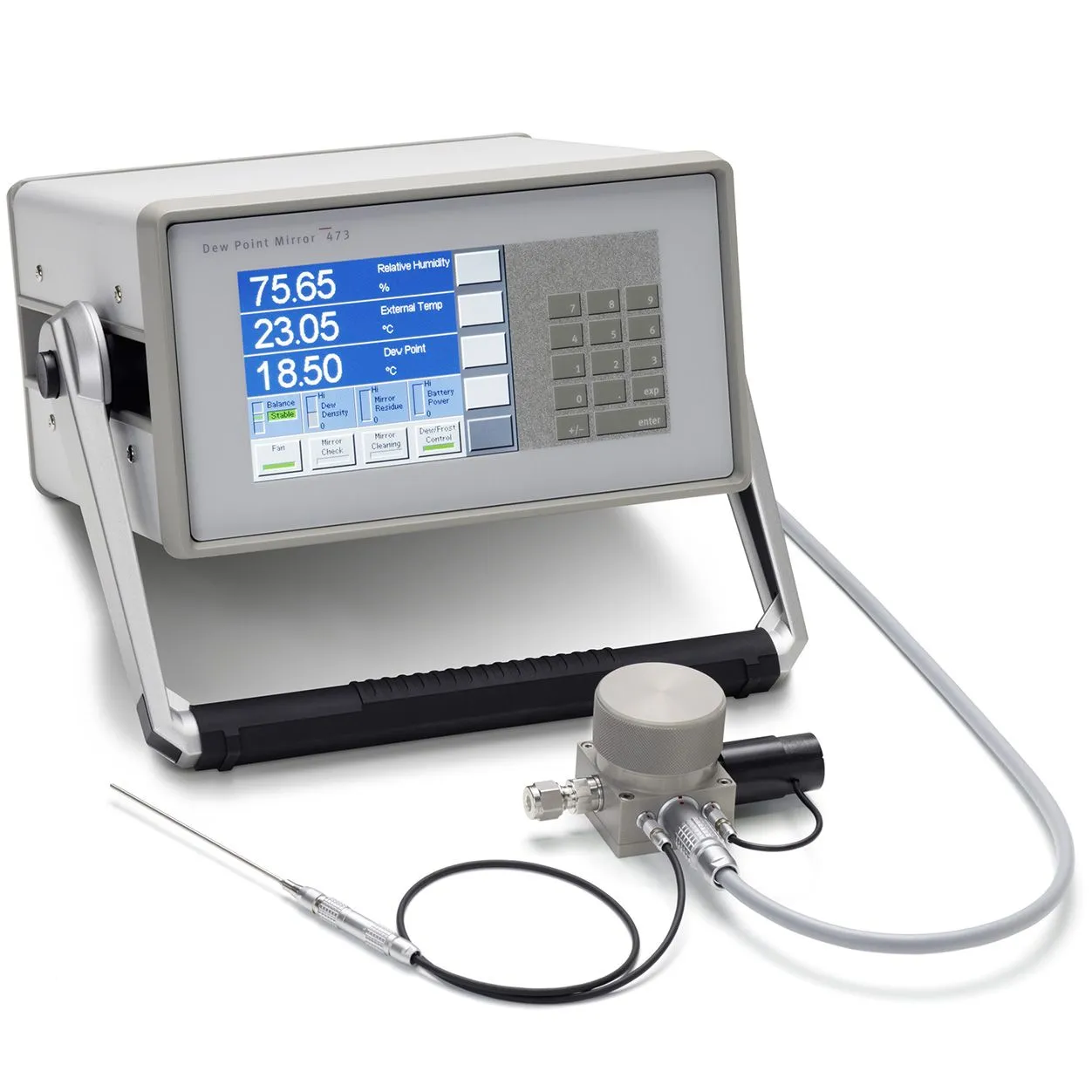
Moisture control is an essential part of many industrial operations where compressed air and process gases need to remain within specific quality limits. Excess water vapor can contribute to condensation, corrosion, equipment problems, and reduced efficiency. Reliable moisture measurement helps businesses understand these conditions and take appropriate action before they develop into larger operational issues.
ShawMeter provides professional moisture measurement solutions for industrial environments where dependable dew point monitoring is important. Its technology supports users across applications that require accurate information about moisture conditions in compressed air, gases, and process systems.
What Is a Dewpoint Hygrometer?
A dewpoint hygrometer is a precision instrument used to measure the moisture condition of air or gas by determining its dew point. The dew point is the temperature at which water vapor reaches saturation and begins to condense.
Unlike basic humidity instruments, dew point measurement is particularly useful in industrial applications where very dry gases need to be monitored. Accurate readings can help engineers assess system performance and maintain appropriate moisture levels.
Why Dew Point Measurement Matters
Moisture can have a significant impact on industrial equipment and processes. When water vapor condenses inside pipelines or machinery, it can contribute to corrosion and other operational problems.
In compressed-air systems, excess moisture may affect pneumatic equipment and air quality. In gas-processing applications, moisture can create additional concerns when pressure or temperature changes occur.
Reliable dew point measurement allows operators to detect changing moisture conditions and investigate potential problems at an earlier stage.
How a Dew Point Hygrometer Works
A dew point hygrometer uses a moisture-sensitive sensor to determine the moisture condition of a gas. The sensing element detects changes in water vapor and converts them into a measurable signal.
The instrument then calculates or displays the corresponding dew point value. Depending on the equipment, additional measurements such as temperature, pressure, or moisture concentration may also be available.
The exact sensing technology depends on the specific instrument, but the purpose remains the same: provide useful and reliable information about moisture conditions.
Important Features to Consider
Businesses selecting moisture measurement equipment should consider several important characteristics.
Measurement Accuracy
Accurate readings are essential for applications with strict moisture specifications. Even small measurement errors can be important when monitoring very dry systems.
Wide Measurement Range
Different industries operate under different moisture conditions. A suitable instrument should cover the expected dew point range of the application.
Fast Response
A responsive sensor can help technicians identify changes in moisture conditions without unnecessary delays.
Long-Term Stability
Stable measurement performance is important for industrial equipment that may operate continuously or be used frequently during inspections.
Easy Operation
A clear display and straightforward controls can make measurements easier for technicians and maintenance teams.
Compressed Air Applications
Compressed air systems are widely used in manufacturing plants, workshops, automation systems, and production facilities. Moisture can enter the system during compression and may remain if drying equipment is not operating correctly.
A dew point instrument can be used to verify dryer performance and monitor the quality of compressed air. Regular measurements can help maintenance teams identify changes that may indicate problems within the drying or distribution system.
Natural Gas and Process Gas Monitoring
Moisture measurement is also important in natural gas and industrial gas applications. Excess water vapor can lead to condensation under certain operating conditions and may contribute to corrosion.
Monitoring dew point provides operators with valuable information that can support gas-quality management and help identify unusual process conditions.
Pharmaceutical Industry
Pharmaceutical manufacturing often requires carefully controlled environmental and process conditions. Moisture can influence certain materials, processes, and equipment.
Accurate dew point monitoring can therefore support appropriate quality-control and environmental monitoring procedures in applications where dry conditions are required.
Petrochemical Facilities
Petrochemical plants contain complex networks of pipelines, processing equipment, and gas systems. Moisture measurement can assist engineers in monitoring process conditions and protecting equipment.
Portable and fixed instruments can be selected according to the specific monitoring requirements of the facility.
Power Generation
Power-generation facilities rely on numerous systems where moisture conditions may influence performance and maintenance requirements.
Dew point measurement can form part of inspection and preventive-maintenance programs, providing engineers with useful information about the condition of compressed air and process gases.
Electronics Manufacturing
Electronics manufacturing environments can require carefully controlled moisture conditions. Sensitive materials and components may be affected by unsuitable environmental conditions.
Reliable moisture measurement helps production teams monitor relevant conditions and maintain greater control over processes where moisture levels matter.
Portable and Fixed Moisture Measurement
Both portable and fixed instruments have useful roles in industrial moisture monitoring. Portable equipment allows technicians to perform spot checks at different locations, making it suitable for maintenance and troubleshooting.
Fixed instruments can provide continuous monitoring from a specific measurement point. Larger facilities may use both approaches to combine ongoing monitoring with flexible field inspections.
Sampling and Installation
Correct sampling is important when measuring moisture in industrial gases. Leaks, unsuitable tubing, contamination, pressure, temperature, and flow conditions can influence measurement results.
Users should follow the manufacturer's installation and sampling recommendations. Sampling components should also be inspected regularly to ensure that the gas reaching the sensor accurately represents the process condition.
Calibration and Maintenance
Regular calibration helps confirm that moisture measurement equipment continues to operate according to its required specifications. The appropriate calibration schedule depends on the instrument, application, operating environment, and required accuracy.
Routine maintenance can include checking sampling connections, tubing, filters, and other related components. Proper care can contribute to consistent measurements and longer equipment service life.
ShawMeter Moisture Measurement Technology
ShawMeter provides moisture measurement technology designed for industrial users who require reliable dew point information. Its solutions can support applications involving compressed air, industrial gases, and process environments.
Selecting equipment according to the required measurement range, accuracy, operating pressure, temperature, and installation conditions can help businesses establish a more effective moisture-monitoring strategy.
Benefits of Reliable Moisture Monitoring
Reliable moisture measurement can help organizations improve process control and equipment protection. Accurate information can support dryer performance checks, preventive maintenance, quality assurance, and troubleshooting.
It can also help engineers identify unusual moisture trends before they develop into more serious operational concerns.
Choosing the Right Instrument
Before purchasing, users should consider the gas type, expected dew point range, operating pressure, temperature, measurement accuracy, response time, installation method, and environmental conditions.
The intended application should also determine whether a portable hygrometer, fixed transmitter, or combination of instruments is most appropriate.
Why Choose ShawMeter?
ShawMeter focuses on professional moisture measurement solutions for demanding industrial applications. Its technology is designed to help users obtain dependable information about moisture and dew point conditions.
With appropriate installation, sampling, calibration, and maintenance, businesses can make better use of moisture measurement equipment and maintain more consistent process conditions.
Conclusion
A Dewpoint hygrometer is a valuable instrument for measuring moisture conditions in compressed air and industrial gases. By providing information about the temperature at which condensation can occur, it helps engineers monitor dryness and identify potential moisture-related problems.
For industrial users seeking dependable moisture measurement technology, ShawMeter provides solutions suitable for a variety of applications. With the right equipment and proper measurement practices, organizations can improve moisture monitoring, support preventive maintenance, protect equipment, and maintain reliable industrial operations.
Related Reading
Top 10 Hidden Secrets About Business & Finance You Need to Know
Welcome to our in-depth exploration of Business & Finance. In an era defined...
Why Business & Finance is Transforming the Global Industry Landscape
Welcome to our in-depth exploration of Business & Finance. In an era defined...