Dental Implants Sydney: Key Factors Before Treatment
193 Views
Dental implants have become one of the most trusted solutions for replacing missing teeth. They provide stability, improve chewing function and help maintain long-term oral health. As more people explore Dental Implants Sydney, many want to understand what should be considered before beginning treatment.
While dental implants can deliver excellent long-term results, successful treatment depends on careful planning and proper assessment. Every patient has different oral health conditions, which means implant treatment should always be personalised.
Clinics such as Bigger Smiles focus on detailed consultations and long-term treatment planning so patients understand the process before making decisions.
Here are the key factors patients should consider before starting dental implant treatment.
Understanding What Dental Implants Are
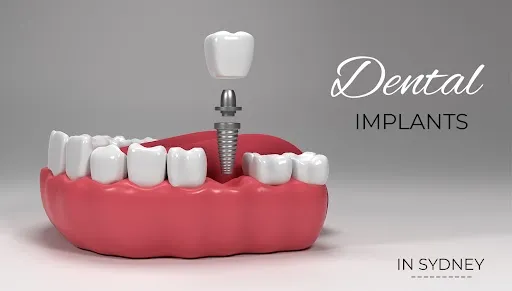
Dental implants are artificial tooth roots usually made from titanium. They are placed into the jawbone to support replacement teeth such as crowns, bridges or dentures.
A complete implant system generally includes:
- The implant post placed in the jawbone
- An abutment connecting the implant to the restoration
- A custom-made crown or prosthetic tooth
Because implants replace the root as well as the visible tooth, they function more like natural teeth compared with removable alternatives.
Oral Health Assessment Comes First
Before recommending implants, dentists perform a detailed oral health assessment.
This usually includes:
- Examination of teeth and gums
- Review of dental and medical history
- Bite analysis
- Discussion of symptoms or concerns
The purpose of this assessment is to determine whether implants are suitable and identify any issues that need attention before treatment begins.
At Bigger Smiles, treatment planning starts with understanding the patient’s overall oral health rather than focusing only on the missing tooth.
Bone Density and Jaw Health
One of the most important factors in implant treatment is bone density.
Dental implants require strong jawbone support to remain stable. After tooth loss, the surrounding bone can gradually shrink because it no longer receives stimulation from the tooth root.
If bone density is insufficient, additional procedures may be recommended, such as:
- Bone grafting
- Guided bone regeneration
- Sinus lift procedures
These treatments help create a stable foundation for implant placement.
Patients researching Dental Implants Sydney often discover that bone condition significantly affects both treatment planning and timelines.
Gum Health and Implant Stability
Healthy gums are essential for successful implants.
Untreated gum disease may increase the risk of complications, including:
- Delayed healing
- Infection
- Bone loss around the implant
Dentists usually assess gum condition carefully before proceeding with surgery.
If gum disease is present, treatment may be recommended before implants are placed.
Clinics such as Bigger Smiles place strong emphasis on gum health because it supports long-term implant stability.
Understanding the Treatment Process
Many patients are surprised to learn that dental implants involve several stages.
The process generally includes:
- Consultation and assessment
- Diagnostic imaging
- Implant placement surgery
- Healing and bone integration
- Placement of the final restoration
Healing time is an important part of the process because the implant needs time to fuse with the jawbone.
Understanding the timeline helps patients set realistic expectations before treatment begins.
Diagnostic Imaging and Planning
Modern implant dentistry relies heavily on advanced diagnostic tools.
Sydney dentists often use:
- Digital X-rays
- Three-dimensional scans
- Intraoral imaging technology
These tools help assess:
- Bone density
- Nerve locations
- Implant positioning
- Bite alignment
Detailed imaging improves treatment accuracy and supports safer implant placement.
At Bigger Smiles, advanced diagnostics are used to create personalised treatment plans tailored to each patient.
Single Tooth vs Multiple Tooth Replacement
Implant treatment varies depending on how many teeth need replacement.
Single Tooth Implant
Used when one tooth is missing and neighbouring teeth are healthy.
Implant Supported Bridge
Used to replace multiple missing teeth with fewer implants.
Full Mouth Implant Solutions
Used when most or all teeth require replacement.
The number of implants needed affects treatment complexity, planning and recovery.
Medical History and Lifestyle Factors
Certain health conditions and lifestyle habits can influence implant treatment.
Dentists may ask about:
- Smoking habits
- Diabetes or medical conditions
- Current medications
- Previous dental procedures
Smoking, for example, may affect healing and increase the risk of complications.
Providing accurate medical information helps dentists plan treatment safely and effectively.
Importance of Choosing Experienced Professionals
Dental implant treatment requires careful planning and surgical precision.
Patients considering Dental Implants Sydney should look for clinics that focus on:
- Comprehensive consultations
- Clear communication
- Long-term treatment planning
- Ongoing support after treatment
Experience and planning play a major role in successful outcomes.
Clinics such as Bigger Smiles prioritise patient education and personalised care throughout the process.
Long-Term Maintenance Matters
Dental implants require ongoing care just like natural teeth.
After treatment, patients should continue:
- Regular dental check-ups
- Professional cleaning appointments
- Daily brushing and flossing
- Monitoring gum health
Although implants cannot develop decay, the surrounding gums and bone still require proper maintenance.
Preventive care helps protect the long-term success of implant treatment.
Understanding Costs and Treatment Value
One of the most common questions patients ask involves pricing.
The cost of implants can vary depending on:
- Number of implants required
- Bone condition
- Type of restoration
- Additional procedures needed
Rather than viewing implants only as a short-term expense, many patients see them as a long-term investment in oral health and function.
Patients researching Dental Implants Sydney often compare implants with bridges or dentures before deciding which option suits their needs best.
Realistic Expectations Before Treatment
Dental implants can provide excellent long-term outcomes, but realistic expectations are important.
Patients should understand that:
- Treatment may take several months
- Healing times vary between individuals
- Some cases require additional procedures
- Ongoing maintenance is essential
Clear communication during consultation helps patients feel more confident about the process.
Why Personalised Planning Is Important
No two implant cases are identical.
Successful treatment depends on:
- Bone structure
- Gum condition
- Bite alignment
- Overall oral health
Personalised planning allows dentists to recommend the most appropriate solution for each patient.
This approach reduces risk and improves long-term outcomes.
Bigger Smiles and Patient-Focused Implant Care
Clinics such as Bigger Smiles focus on helping patients understand every stage of implant treatment before procedures begin.
Their approach includes:
- Detailed oral assessments
- Advanced imaging and diagnostics
- Clear explanation of treatment options
- Ongoing aftercare and support
This patient-focused process helps individuals make informed decisions about their oral health.
Final Thoughts
Dental implants can provide a stable and natural-looking solution for missing teeth, but successful treatment begins with proper planning and assessment.
Patients considering Dental Implants Sydney should understand the importance of bone health, gum condition, treatment timelines and ongoing maintenance before proceeding.
By working with experienced providers such as Bigger Smiles, patients receive personalised care and clear guidance throughout the implant process.
Dental implants are more than a cosmetic treatment. They are a long-term investment in oral health, comfort and confidence.