Are affordable dental implants safe?
4 Views
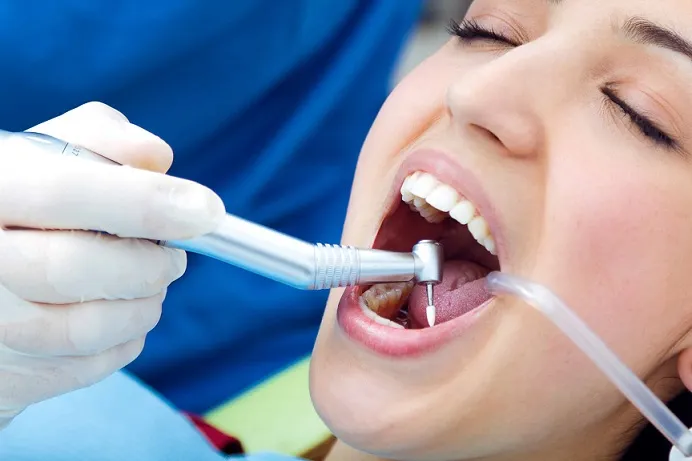
Yes, affordable dental implants can be safe when they are provided by a qualified dental professional using reliable implant materials and appropriate clinical procedures. A lower price does not automatically mean poor quality, but patients should understand what is included in the treatment and why the cost is lower. People considering زراعة الأسنان في دبي should receive a complete dental examination and written treatment plan before choosing an implant provider.
Does A Lower Price Mean Lower Quality?
Not necessarily. Dental implant prices can vary because of the implant brand, crown material, clinic location, treatment complexity, laboratory charges, and the services included in the package. Some providers may offer affordable treatment because of efficient systems, promotional packages, or simpler cases.
However, a low advertised price may cover only the implant fixture. The abutment, crown, scans, extraction, bone grafting, or follow-up appointments may be charged separately. Patients should compare complete treatment plans rather than choosing a provider based only on the lowest advertised amount.
A reliable dental provider should explain the full process, materials, expected healing time, and possible additional procedures before treatment begins.
What Makes An Affordable Dental Implant Safe?
The safety of a dental implant depends on several important factors.
Qualified Dental Professional:
Implant placement should be performed by a properly qualified and experienced dental professional. The dentist should understand implant planning, surgical technique, bone anatomy, gum health, and restoration design.
Experience is especially important when the patient has bone loss, gum disease, a complicated bite, or other dental concerns. Patients should ask about the dentist’s qualifications and experience with similar implant cases.
Reliable Implant System:
Dental implants are commonly made from titanium or zirconia. These materials have established uses in implant dentistry, but the implant system should be genuine, properly documented, and suitable for the patient’s needs. The FDA explains that dental implant systems are evaluated for safety, effectiveness, and biocompatibility before they can be marketed in the United States.
Patients should ask which implant brand will be used and whether replacement components will remain available if the crown, abutment, or other part needs repair in the future.
Proper Treatment Planning:
A dental implant should not be placed without appropriate assessment. The dentist may examine the gums, remaining teeth, jawbone, bite, and general medical history.
Dental X-rays or three-dimensional scans may be recommended when clinically necessary to evaluate bone structure and plan implant placement. Imaging should be selected according to the patient’s needs rather than performed without a clear reason.
Sterile Equipment And Infection Control:
Implant surgery involves placing a device into the jawbone, so infection prevention is essential. The clinic should use appropriate sterilisation procedures, clean treatment areas, and suitable single-use supplies where required.
Patients should feel comfortable asking how instruments are sterilised and how the clinic manages infection control. A professional provider should answer these questions clearly.
What Should Be Included In The Treatment Plan?
A complete implant plan may include several stages:
- Initial dental consultation
- Medical and dental history review
- X-rays or appropriate scans
- Gum disease treatment when necessary
- Tooth extraction if required
- Bone grafting when bone support is insufficient
- Implant placement
- Abutment placement
- Crown fabrication and fitting
- Follow-up examinations
- Professional cleaning and maintenance guidance
Not every patient needs every procedure. The dentist should explain which stages are necessary and which are not required in the individual case.
Patients should also ask whether the crown is included. The implant fixture alone does not replace the visible tooth, so a quotation that excludes the crown may not represent the complete treatment.
Can Cheap Implants Cause Problems?
Poorly planned or improperly performed implant treatment may increase the risk of complications. These can include infection, gum inflammation, bone loss, implant movement, nerve irritation, sinus problems, or failure of the implant to integrate with the jawbone.
A low-quality or unverified implant system may also create difficulties if replacement parts are unavailable. This can make future repairs more complicated.
The risk is not determined by price alone. An affordable implant placed correctly and maintained properly may perform well, while an expensive implant can also fail if the patient has untreated gum disease, poor oral hygiene, smoking habits, inadequate bone support, or uncontrolled medical conditions.
How Can Patients Identify A Reliable Provider?
Before choosing an affordable implant service, patients should ask:
- Is the dentist properly qualified and experienced?
- Which implant system will be used?
- Is the product genuine and documented?
- Are scans included in the treatment plan?
- Does the quotation include the abutment and crown?
- Will gum disease or bone loss be assessed?
- Are additional procedures explained in advance?
- What follow-up care is provided?
- How are complications managed?
- Are the risks and alternatives clearly discussed?
Patients should be cautious if a provider promises guaranteed results, pressures them to book immediately, refuses to explain the materials, or does not perform a proper examination.
Is Affordable Implant Treatment Suitable For Everyone?
Affordable implant treatment may be suitable for many patients, but dental implants are not appropriate for everyone. A dentist may need to treat gum disease, improve oral hygiene, manage an existing infection, or address bone loss before implant placement.
Smoking, uncontrolled diabetes, poor healing ability, teeth grinding, and certain medical conditions may affect treatment success. The dentist should review these factors before recommending surgery.
Patients should also understand that implants require long-term care. Regular brushing, cleaning between teeth, professional maintenance, and dental examinations help protect the gums and surrounding bone.
Frequently Asked Questions:
Are affordable dental implants safe?
They can be safe when placed by a qualified professional using reliable materials and appropriate planning. The price alone does not determine safety.
Should I choose the cheapest implant option?
Not necessarily. Compare the complete treatment plan, implant system, dentist’s experience, crown material, and follow-up care.
Can an affordable implant last for many years?
Yes, a properly planned and maintained implant may remain functional for many years. However, no implant is guaranteed to last permanently.
Does a low price include the crown?
Not always. Some quotations include only the implant fixture. Patients should confirm whether the abutment and final crown are included.
What is the biggest warning sign?
A provider who offers treatment without examination, gives unclear information about the implant system, or promises guaranteed results should be approached with caution.
Conclusion:
Affordable dental implants can be safe when treatment is properly planned, reliable materials are used, and a qualified dental professional performs the procedure. Patients should not judge quality by price alone. They should review the complete treatment plan, confirm whether the implant, abutment, crown, scans, and aftercare are included, and ask about the dentist’s qualifications and infection-control procedures. A professional assessment helps determine whether an affordable implant is suitable for the patient’s oral health and long-term needs.