Debris Removal and Recycling: Sustainable DFW Demolition Options
By Jacky Roth
32 Views
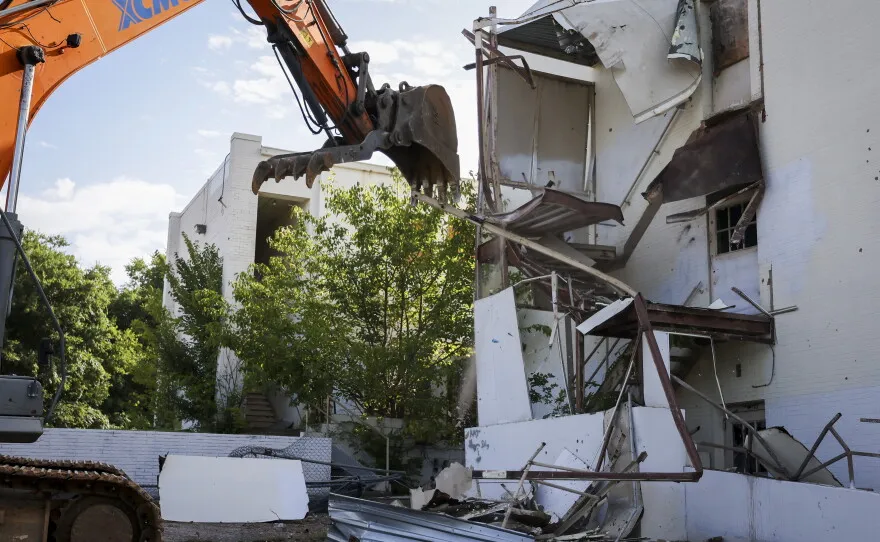
Demolition does not have to mean sending every piece of a building directly to a landfill. With thoughtful planning, many materials can be separated, recovered, reused, or recycled after a structure is removed. Professional DFW demolition services can incorporate waste reduction into the demolition plan while maintaining safety and efficiency. Concrete, metals, wood, brick, and other materials may have different recovery opportunities depending on their condition and local requirements. Choosing a contractor that takes debris management seriously can make a demolition project more responsible from start to finish.
Why Sustainable Demolition Matters
Traditional demolition can generate substantial quantities of construction and demolition debris, particularly when an entire structure is removed. Sending reusable materials to disposal facilities can waste resources that still have practical value. A more sustainable approach begins by identifying materials before demolition and determining how they can be handled after removal. This may involve selective dismantling, material separation, recycling, and responsible disposal of items that cannot be recovered. The result can be a cleaner jobsite and a more organized waste-management process.
Sustainable demolition is also about making practical decisions rather than attempting to recycle everything regardless of condition. Some materials may be damaged, contaminated, mixed together, or otherwise unsuitable for recovery. Experienced contractors evaluate these circumstances and develop realistic disposal and recycling plans. They can also consider the logistics of transporting different materials to appropriate facilities. Good planning helps prevent recyclable materials from becoming unnecessarily mixed with general demolition debris.
Materials Commonly Recovered From Demolition
Concrete and masonry are among the materials that can often be processed for beneficial reuse. Depending on local facility capabilities and material condition, concrete may be crushed and processed for use as aggregate or other construction applications. Brick can sometimes be salvaged when individual units remain intact and clean. Separating these materials from general waste can make recycling more practical. Property owners should ask contractors how concrete, masonry, and similar materials will be handled before demolition begins.
Metal is another important material in demolition recycling. Steel, aluminum, copper, and other metals can have established recycling markets when properly separated and prepared. Salvaging metal can reduce the volume of material sent to disposal facilities while recovering resources that can be used in future manufacturing. Wood may also be reusable when it is clean, structurally sound, and free from problematic treatments or contamination. A contractor with a detailed debris-management plan can identify these opportunities during the planning stage.
Selective Demolition and Material Separation
Selective demolition involves removing certain components or materials carefully instead of immediately reducing the entire structure to a mixed debris pile. This approach can allow valuable or reusable materials to be separated before heavier demolition equipment is used. Depending on the property, contractors may identify doors, fixtures, architectural materials, metal components, lumber, or masonry for potential recovery. The feasibility depends on the building's condition, project schedule, labor requirements, and material value. Selective demolition should therefore be planned according to the specific project rather than treated as a universal solution.
Material separation can continue as structural demolition progresses. Crews may establish designated areas for metals, concrete, wood, and general debris to prevent unnecessary mixing. Proper organization makes transportation and processing easier and can improve the quality of recyclable materials. It can also help keep the active work area cleaner and more manageable. Professional DFW demolition services should be able to explain how materials will be separated and where different waste streams are expected to go.
Connecting Demolition With Land Clearing
Demolition and land clearing sometimes occur together when an old structure is being removed to prepare a property for redevelopment. Once buildings, sheds, fences, or other improvements are cleared, vegetation, stumps, brush, and unwanted surface materials may also need to be addressed. Land clearing services Wise County TX can help prepare larger properties for construction, agricultural use, road access, or other future improvements. Coordinating these activities can reduce unnecessary equipment movement and improve overall project organization. The exact scope should be established before work begins so that each stage is properly planned.
Land clearing produces a different type of debris than building demolition. Trees, branches, brush, stumps, and vegetation may require chipping, mulching, hauling, or other forms of processing depending on site conditions. Some organic materials may be suitable for beneficial reuse rather than conventional disposal. Contractors should evaluate the property's vegetation, terrain, drainage, access, and intended future use before choosing a clearing method. This helps ensure that debris management supports the broader site-development plan.
Managing Debris Responsibly
Effective debris management begins before the first structure is taken down. Contractors should estimate the types and approximate quantities of waste that the project may generate. They can then determine which materials may be recycled, salvaged, processed, or transported for disposal. This planning can reduce confusion during active demolition and establish clearer responsibilities for the crew. Property owners should ask whether debris removal is included in the project price and how unusual or unexpected materials will be handled.
Transportation is another important consideration. Different materials may need to travel to different recycling or processing facilities, while some waste requires specialized handling. Proper loading and transportation practices help prevent debris from escaping during transit and keep the project organized. Contractors should also maintain appropriate documentation when required for specific materials or disposal activities. These details demonstrate why professional waste management involves much more than simply hauling debris away from a property.
Environmental Considerations During Demolition
A sustainable demolition strategy should also account for materials that require special attention. Older structures can contain materials that need to be identified and handled according to applicable regulations before general demolition proceeds. Contractors should evaluate the property for potential environmental concerns and determine whether specialized assessment or removal is necessary. Materials that cannot safely enter ordinary recycling streams should be managed through appropriate channels. Skipping this step can create environmental, legal, and safety problems.
Dust, runoff, noise, and equipment emissions can also influence a demolition project's environmental impact. Contractors can use appropriate site controls and work practices to reduce unnecessary disturbance. Keeping debris contained can help limit material movement beyond the active work zone. Protecting drainage areas and maintaining orderly equipment routes can further support responsible site management. Environmental planning should remain part of the project throughout demolition rather than being considered only during final cleanup.
Reuse Versus Recycling
Recycling and reuse are related but not identical strategies. Reuse generally means a material or component is used again with little or no transformation, while recycling involves processing material into another usable form. When practical, direct reuse can preserve more of a material's original value. For example, certain architectural elements, fixtures, lumber, or masonry products may have opportunities for reuse when removed carefully. However, recycling can be the more practical option when materials are damaged or cannot be used in their existing form.
Contractors should evaluate the condition and marketability of recovered materials before promising specific recycling outcomes. Not every item removed from a building will have a secondary use. Weathering, contamination, structural damage, outdated specifications, and transportation costs can affect whether recovery makes economic sense. An experienced contractor can help property owners understand these limitations. A realistic sustainability plan balances environmental goals with safety, project requirements, and available recycling infrastructure.
Questions to Ask a Demolition Contractor
Property owners should ask potential contractors how they approach debris removal before signing an agreement. Questions can include which materials will be separated, whether recycling is included, how reusable items are handled, and where general waste will be transported. It is also useful to ask whether the contractor coordinates specialized disposal for materials requiring additional attention. Clear answers can help reveal how seriously a company approaches waste management. These conversations also help prevent misunderstandings about what is included in the quoted price.
Ask for a written scope that explains demolition, debris removal, cleanup, and any related land preparation. If land clearing services Wise County TX are part of the same project, the agreement should distinguish vegetation removal from structural demolition. It should also explain whether hauling, recycling fees, disposal charges, and final grading are included or billed separately. A detailed contract provides a useful reference throughout the project. It allows the property owner and contractor to work from the same expectations.
Building a More Sustainable Demolition Plan
Sustainable demolition starts with decisions made before equipment arrives at the property. A contractor should inspect the structure, identify recoverable materials, evaluate environmental considerations, and determine the safest demolition sequence. From there, the team can establish separate waste streams and transportation plans for different materials. This approach can reduce unnecessary landfill disposal while keeping the project organized. It also gives property owners a clearer understanding of what happens to their building after it is removed.
Ultimately, responsible demolition is about combining safety, efficiency, environmental awareness, and practical waste management. Professional DFW demolition services can help property owners navigate structural removal while identifying realistic opportunities for recycling and material recovery. When demolition is combined with land preparation, coordinating land clearing services Wise County TX can further streamline the transition toward a clean, usable site. By asking informed questions and selecting an experienced contractor, property owners can support a demolition process that is both effective and more environmentally responsible.
Related Reading
Expert Insights: Navigating the Complex World of Home Improvement
Welcome to our in-depth exploration of Home Improvement. In an era defined by ra...
Why Home Improvement is Transforming the Global Industry Landscape
Welcome to our in-depth exploration of Home Improvement. In an era defined by ra...