Daycare vs Preschool: Which One Should Parents Choose?
105 Views
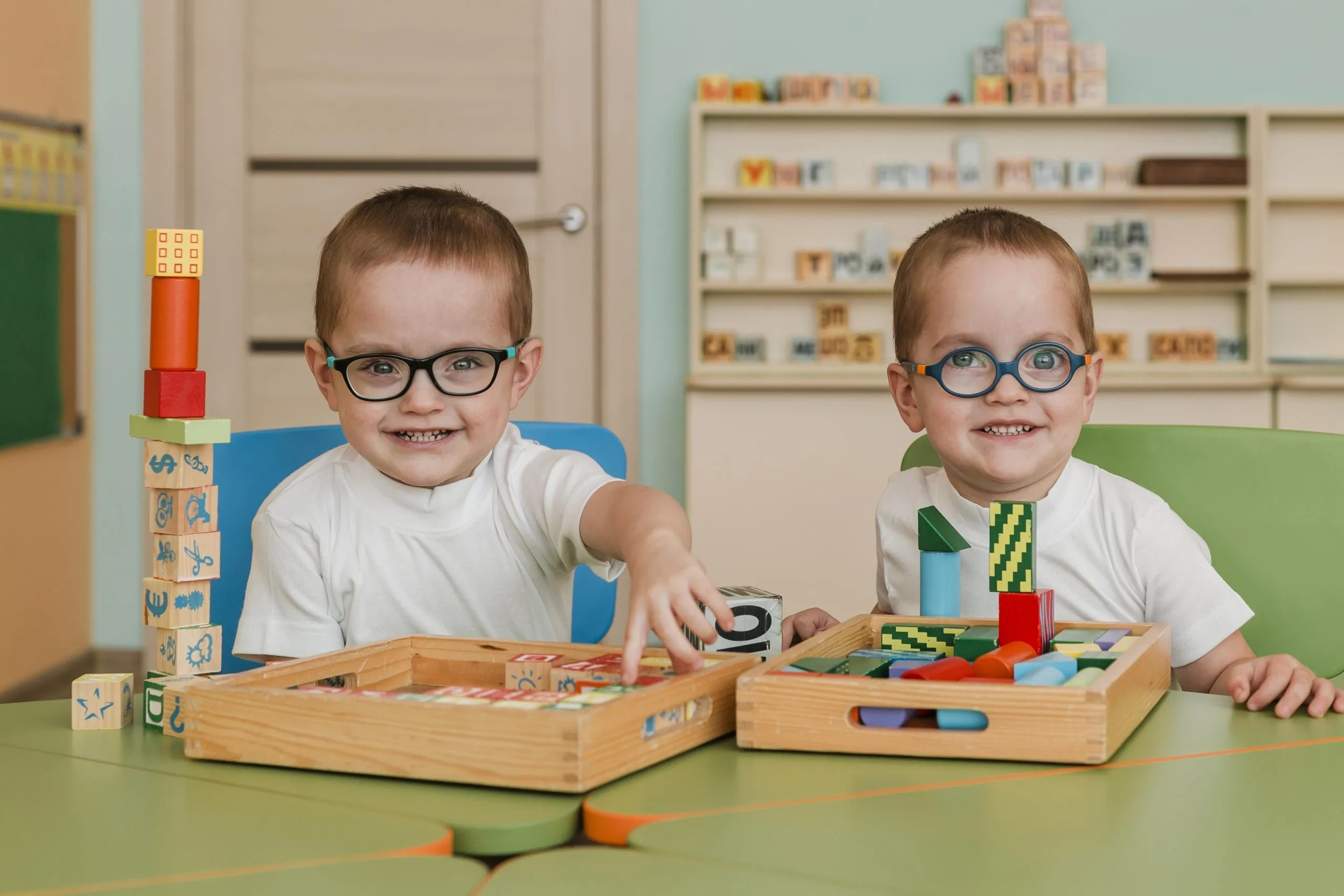
Choosing the right place for your child is one of the biggest decisions parents make. Every family wants a safe, happy, and caring environment where children can grow, learn, and enjoy their day.
Many parents wonder whether they should choose daycare vs preschool. While both help children develop, they are created for different needs. Understanding these differences makes it much easier to choose the right option for your family.
This guide explains everything in simple words, including learning, daily activities, costs, age groups, and what parents should consider before making a decision.
What Is a Daycare?
A daycare is a childcare center where children are looked after while parents are working or busy during the day.
Most daycare centers accept babies, toddlers, and preschool-aged children. Some even provide care before and after school for older kids.
The main goal is to provide:
- A safe environment
- Healthy meals and snacks
- Supervision throughout the day
- Playtime and social interaction
- Basic learning activities
Children spend time playing, making friends, eating, resting, and joining simple educational games.
What Is a Preschool?
A preschool is an early education program designed to prepare children for kindergarten and elementary school.
Instead of focusing mainly on childcare, preschool focuses on learning through fun activities.
Children usually learn:
- Letters and sounds
- Numbers
- Colors
- Shapes
- Music
- Art
- Storytelling
- Problem-solving
- Teamwork
Teachers follow lesson plans that help children build important skills before they start school.
The Main Difference
The biggest difference is the purpose.
A daycare mainly provides care for children while parents are at work.
A preschool mainly provides early education and school readiness.
Many daycare centers also include learning activities, but education is usually the primary goal in preschool.
Age Groups
Different programs serve different age ranges.
Daycare
Usually accepts children from:
- 6 weeks old
- Infants
- Toddlers
- Preschool-age children
Some centers even care for school-age children after classes.
Preschool
Most programs accept children between:
- 3 years old
- 4 years old
- 5 years old
These years are important because children begin developing language, social, and thinking skills quickly.
Daily Schedule
A child's daily routine can look different depending on the program.
Daycare Routine
A normal day may include:
- Free play
- Snacks
- Outdoor activities
- Nap time
- Lunch
- Storytime
- Crafts
- Music
- Group games
The schedule is usually flexible to meet children's different needs.
Preschool Routine
Preschool often follows a classroom schedule such as:
- Morning circle
- Reading
- Writing practice
- Art projects
- Learning centers
- Outdoor play
- Science activities
- Music
- Early math
The routine helps children prepare for elementary school.
Learning Approach
Children learn differently depending on the environment.
Learning in Daycare
Learning is often based on play.
Teachers encourage children to:
- Share toys
- Build friendships
- Improve communication
- Explore creativity
- Develop independence
Even simple games help children learn important life skills.
Learning in Preschool
Preschool introduces structured learning.
Children practice:
- Listening
- Following directions
- Recognizing letters
- Counting numbers
- Solving simple problems
- Working in groups
Everything is designed to make the transition to kindergarten easier.
Social Development
Making friends is one of the biggest benefits of both options.
Children learn how to:
- Share
- Take turns
- Work together
- Express feelings
- Solve small disagreements
- Respect others
These social skills help children throughout life.
Emotional Growth
A caring environment helps children become more confident.
They slowly learn to:
- Spend time away from parents
- Follow routines
- Build independence
- Handle new situations
- Trust teachers
- Feel comfortable with classmates
These experiences build emotional strength.
Physical Development
Children need movement every day.
Good childcare programs include:
- Outdoor games
- Running
- Jumping
- Climbing
- Dancing
- Ball games
These activities improve balance, coordination, and healthy growth.
Creativity Matters
Creative play helps children think in new ways.
Activities often include:
- Painting
- Drawing
- Building blocks
- Clay modeling
- Singing
- Pretend play
- Storytelling
Creativity supports both learning and confidence.
Teacher Qualifications
Teacher qualifications may vary.
Preschool teachers often have training in early childhood education.
Daycare staff usually receive childcare training and safety certifications, although requirements differ depending on local regulations.
Regardless of qualifications, caring, patient, and experienced teachers make the biggest difference.
Class Size
Smaller groups often provide more personal attention.
When visiting a center, ask about:
- Child-to-teacher ratio
- Classroom size
- Daily supervision
- Safety procedures
More individual attention usually leads to better learning experiences.
Cost
Costs vary depending on:
- Location
- Child's age
- Program hours
- Meals included
- Extra activities
Full-day childcare usually costs more because children stay longer.
Part-time educational programs may cost less if they only run for a few hours each day.
Always compare what is included before making a decision.
Flexibility
Working parents often need flexible schedules.
Many daycare centers offer:
- Early morning drop-off
- Evening pickup
- Full-day care
- Year-round services
Preschools often follow a school calendar with fixed class hours.
This difference is important for families with full-time jobs.
Safety Should Always Come First
Before choosing any program, check for:
- Clean classrooms
- Safe playgrounds
- Secure entrances
- Emergency plans
- First-aid training
- Background-checked staff
Parents should also observe how teachers interact with children.
Questions Parents Should Ask
Before enrolling your child, ask questions like:
- What does a typical day look like?
- What is the teacher-to-child ratio?
- Are meals provided?
- What safety measures are in place?
- How do teachers communicate with parents?
- What learning activities are included?
- Is outdoor play offered daily?
- What happens during emergencies?
These questions help parents make informed decisions.
Signs of a Great Childcare Program
Look for a place where:
- Children look happy
- Teachers are patient
- Classrooms are organized
- Toys are clean
- Learning materials are available
- Parents are welcomed
- Communication is open
- Safety is taken seriously
A positive atmosphere often speaks louder than advertisements.
Common Myths
Myth 1: Children Only Play
Play is actually one of the best ways children learn communication, creativity, and problem-solving.
Myth 2: Academic Learning Should Start Very Early
Young children learn best through fun, hands-on experiences rather than long classroom lessons.
Myth 3: Every Child Needs the Same Program
Every child has different needs, personality, and learning style.
There is no one-size-fits-all solution.
How to Make the Right Choice
Every family is different.
Consider:
- Your work schedule
- Your child's age
- Learning goals
- Budget
- Location
- Program hours
- Child's personality
Some children thrive in structured classrooms, while others benefit from flexible care during their early years.
The best choice is the one that supports both your child's development and your family's daily routine.
Frequently Asked Questions
Is preschool better than daycare?
Not always. The better option depends on your child's age, your family's schedule, and your goals. Both provide valuable experiences in different ways.
Can children learn in daycare?
Yes. Many daycare centers include learning activities, reading, music, crafts, and early educational games throughout the day.
At what age should a child start preschool?
Most children begin between three and four years old, although requirements vary by program.
Can a child attend both?
Yes. Many families choose a preschool program during part of the day and childcare services before or after class.
How do I know if my child is ready?
Children who can spend a few hours away from parents, enjoy playing with others, and follow simple instructions are often ready to begin an early learning program.
Final Thoughts
When comparing daycare vs preschool, there is no single answer that works for every family. Both options provide important benefits that help children grow, learn, and build confidence.
A childcare program offers flexibility and daily care for busy parents, while a preschool focuses more on preparing children for future academic success. The right choice depends on your child's age, personality, learning needs, and your family's schedule.
Take time to visit different centers, ask questions, observe classrooms, and speak with teachers. A safe, caring, and engaging environment will give your child the best possible start.
Whether you choose childcare, early education, or a combination of both, the goal is the same—helping your child become happy, confident, curious, and ready for the future.
Related Reading
Expert Insights: Navigating the Complex World of Education & Learning
Welcome to our in-depth exploration of Education & Learning. In an era defin...
Why Education & Learning is Transforming the Global Industry Landscape
Welcome to our in-depth exploration of Education & Learning. In an era defin...