Daily Habits That Help Reduce Skin Cancer Risk
By Sara
112 Views
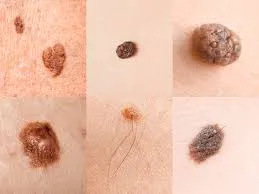
Skin cancer is one of the most common cancers worldwide, but the encouraging fact is that many cases can be prevented with simple lifestyle changes. While genetics and environmental factors play a role, your daily habits have a powerful impact on your skin health. By making mindful choices every day, you can significantly reduce your risk of developing skin cancer.
In this blog, we’ll explore practical and effective daily habits that help protect your skin and promote long-term health.
1. Make Sunscreen a Daily Essential
One of the most important habits you can adopt is applying sunscreen every day. Many people think sunscreen is only necessary during beach outings or sunny vacations, but harmful ultraviolet (UV) rays are present year-round—even on cloudy days.
Choose a broad-spectrum sunscreen with SPF 30 or higher and apply it to all exposed areas, including your face, neck, ears, and hands. Reapply every two hours, especially if you’re outdoors, sweating, or swimming. Making sunscreen part of your morning routine is one of the simplest and most effective ways to protect your skin.
2. Avoid Peak Sun Exposure
The sun’s rays are strongest between 10 AM and 4 PM. Limiting your time outdoors during these hours can greatly reduce your exposure to harmful UV radiation.
If you need to be outside, try to stay in shaded areas or use an umbrella for protection. Planning outdoor activities in the early morning or late afternoon is a smart way to minimize risk without sacrificing your daily routine.
3. Wear Protective Clothing
Clothing acts as a physical barrier between your skin and UV rays. Incorporating protective clothing into your daily wardrobe can make a big difference.
Opt for long-sleeved shirts, full-length pants, and wide-brimmed hats when possible. Fabrics that are tightly woven or specifically designed with UV protection offer better coverage. Sunglasses with UV-blocking lenses are also essential to protect the delicate skin around your eyes.
These small adjustments in your clothing choices can significantly reduce your daily sun exposure.
4. Stay Away from Tanning Beds
Artificial tanning devices are just as harmful as natural sunlight, if not more. Tanning beds emit concentrated UV radiation that can damage skin cells and increase the risk of skin cancer.
Avoid using tanning beds altogether. If you prefer a tanned look, consider safer alternatives such as self-tanning lotions or sprays that do not involve UV exposure.
5. Keep Your Skin Hydrated and Healthy
Healthy skin is more resilient and better able to defend itself against environmental damage. Drinking enough water throughout the day helps maintain skin hydration and elasticity.
In addition, using moisturizers suited to your skin type can prevent dryness and irritation. A well-hydrated skin barrier can reduce sensitivity and improve overall skin health.
6. Perform Regular Skin Self-Checks
Being aware of changes in your skin is a crucial habit for early detection. Take a few minutes each month to examine your skin from head to toe.
Look for new moles, changes in existing moles, or unusual spots. Pay attention to asymmetry, irregular borders, uneven color, increasing size, or evolving appearance. If you notice anything unusual, consult a healthcare professional promptly.
Early detection can make a significant difference in treatment outcomes.
7. Maintain a Healthy Diet
What you eat also plays a role in your skin health. A diet rich in antioxidants, vitamins, and minerals helps protect your skin from damage.
Include plenty of fruits, vegetables, nuts, and whole grains in your meals. Foods high in vitamins C and E, as well as beta-carotene, can support skin repair and protection. While diet alone cannot prevent skin cancer, it contributes to overall skin resilience.
8. Avoid Smoking and Limit Alcohol
Smoking can weaken your skin and reduce its ability to heal and protect itself. It also accelerates skin aging and increases the risk of various health conditions.
Limiting alcohol consumption is also beneficial, as excessive intake can negatively impact your immune system and overall health. A healthier lifestyle supports better skin protection.
9. Be Extra Careful Around Reflective Surfaces
Surfaces like water, sand, and concrete can reflect UV rays, increasing your exposure even if you are not directly under the sun.
If you spend time at the beach, pool, or outdoors in urban environments, take extra precautions. Use sunscreen, wear protective clothing, and seek shade whenever possible.
10. Schedule Regular Skin Check-Ups
In addition to self-examinations, professional skin check-ups are essential. Dermatologists can identify early signs of skin damage or cancer that may not be visible to the untrained eye.
If you have a family history of skin cancer, fair skin, or frequent sun exposure, regular check-ups become even more important. Early diagnosis greatly improves treatment success and reduces complications.
Final Thoughts
Reducing your risk of skin cancer doesn’t require drastic changes—it’s about building consistent, protective habits into your daily routine. From applying sunscreen and wearing protective clothing to maintaining a healthy lifestyle and monitoring your skin, every small step counts.
By being proactive and mindful, you can protect your skin, lower your risk, and enjoy a healthier future. Remember, prevention is always better than cure, and your daily habits are your first line of defense against skin cancer.