Hyperbaric Oxygen Therapy for Athletes Near Me: What Athletes Should Know
By maryam
15 Views
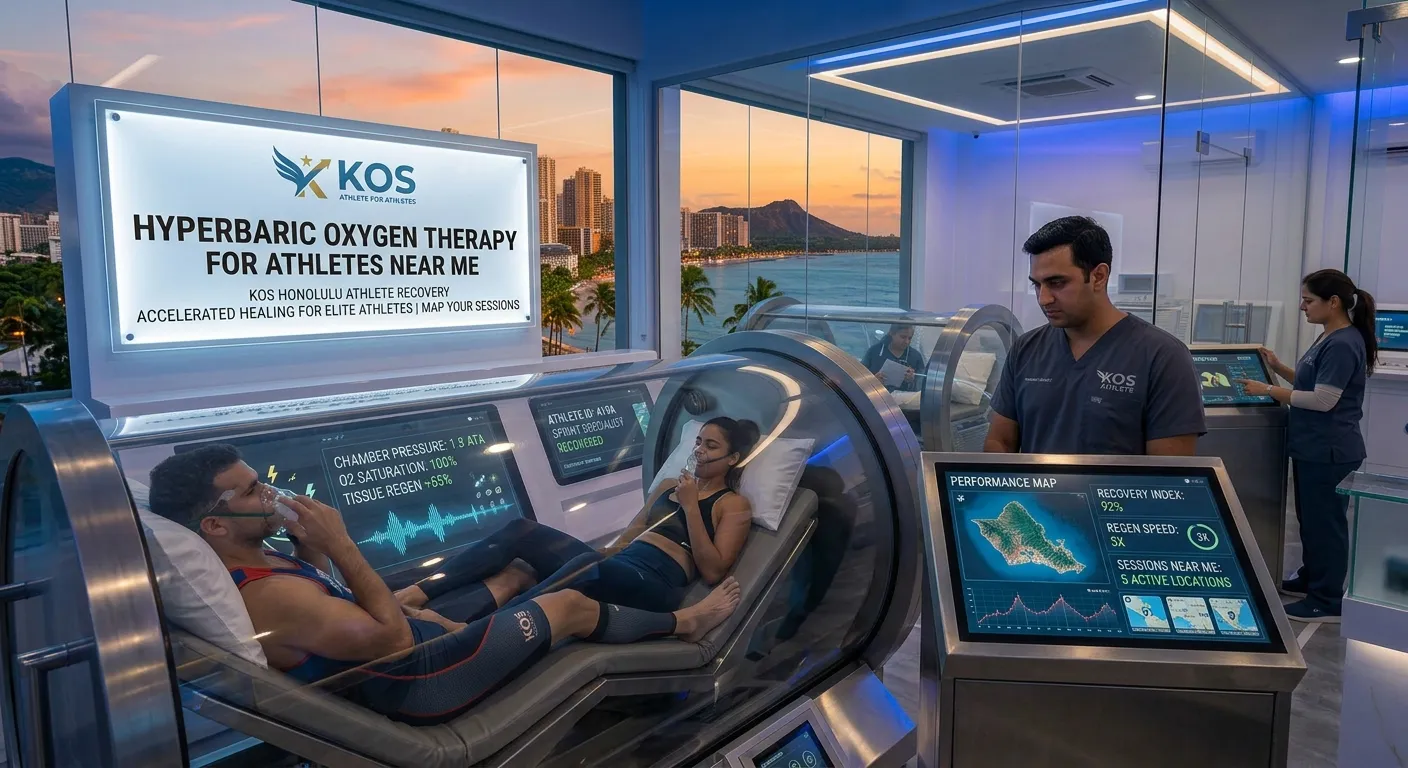
Athletes are constantly looking for safe and effective ways to recover from training, manage injuries, and return to activity. This has increased interest in hyperbaric oxygen therapy for athletes near me, especially among people searching for local recovery and sports medicine providers.
Hyperbaric oxygen therapy, commonly called HBOT, involves breathing oxygen inside a specially designed chamber while the surrounding pressure is increased above normal atmospheric pressure. The treatment is used for several established medical conditions, while its role in athletic recovery and sports injuries continues to be studied.
Research involving athletes has produced mixed results. A 2025 review found that some human studies suggest possible reductions in pain and faster return to play after certain soft-tissue musculoskeletal injuries, but the overall evidence remains limited. A 2026 systematic review also found some evidence of metabolic recovery benefits, while effects on short-term power and force production were limited.
For athletes considering HBOT, understanding what the treatment can and cannot do is important.
What Is Hyperbaric Oxygen Therapy for Athletes?
When athletes search for hyperbaric oxygen therapy for athletes near me, they are generally looking for a provider that offers medically supervised HBOT for sports recovery or an injury-related condition.
During HBOT, the athlete enters a hyperbaric chamber and breathes oxygen while the chamber pressure is increased. The increased pressure allows more oxygen to be delivered through the lungs during treatment.
HBOT is not simply the same as breathing oxygen under normal atmospheric conditions. It is a specialized medical treatment that requires appropriate equipment, trained personnel, and safety procedures.
For athletes, the treatment may be discussed in connection with certain injuries or recovery goals, but its suitability depends on the individual's medical situation.
Why Are Athletes Interested in Hyperbaric Oxygen Therapy?
Athletes place significant demands on their muscles, joints, tendons, and other tissues. Heavy training and competition can lead to fatigue, soreness, and injuries that may temporarily limit performance.
Because of this, athletes may explore different recovery strategies, including physical therapy, mobility work, nutrition, sleep optimization, and other sports medicine approaches.
HBOT has attracted interest because researchers have investigated whether increased oxygen availability under pressure may influence tissue recovery and other physiological processes.
However, research does not currently support the idea that HBOT is a guaranteed way to improve athletic performance. A systematic review of pre-, post-, and intra-exercise HBOT found no significant overall effect of pre- or post-exercise treatment on exercise performance or recovery, while some findings involving treatment during exercise required further research.
How Does HBOT Work?
A hyperbaric chamber increases the pressure surrounding the patient while oxygen is delivered according to the treatment protocol.
Under these conditions, the body is exposed to a higher oxygen environment than it would experience under normal atmospheric pressure.
The specific pressure, oxygen concentration, session duration, and number of treatments can vary depending on the medical indication and provider's protocol.
Athletes should not assume that a higher pressure or greater number of sessions will automatically produce better results. Treatment should be determined by appropriately trained healthcare professionals.
Hyperbaric Oxygen Therapy and Sports Injury Recovery
Sports injuries can involve muscles, tendons, ligaments, bones, and other tissues. Examples include strains, sprains, traumatic injuries, and certain soft-tissue injuries.
Researchers have studied HBOT in several areas of sports medicine. A 2025 narrative review reported that animal research has shown potential improvements in muscle healing after soft-tissue injury, while human evidence remains inconclusive. Some human studies suggest that short courses of HBOT may reduce pain or support a faster return to play following certain musculoskeletal injuries.
This means HBOT may be considered in selected circumstances, but it should not replace proper diagnosis and rehabilitation.
HBOT for Muscle Recovery After Exercise
One area of interest is exercise-induced muscle damage.
Intense training can temporarily produce muscle soreness, fatigue, and changes in muscle function. Researchers have investigated whether HBOT can influence the recovery process.
A review of HBOT for exercise-induced muscle damage concluded that the available evidence was mixed and that additional research was needed.
More recent research has continued to examine athletic recovery. A 2026 systematic review and meta-analysis found that HBOT significantly reduced post-recovery blood lactate in the included studies, but it found limited effects on short-term power output and force production. The researchers also noted differences between treatment protocols and called for more standardized research.
Therefore, athletes should view HBOT as an area of sports medicine research rather than a guaranteed recovery solution.
Can HBOT Improve Athletic Performance?
Performance improvement is one of the reasons some athletes become interested in HBOT.
However, the available evidence does not establish HBOT as a reliable performance-enhancing treatment.
A systematic review and meta-analysis published in 2021 found that pre-exercise and post-exercise HBOT did not produce statistically significant improvements in exercise performance or recovery compared with normal oxygen conditions.
The newer 2026 review found some evidence related to metabolic recovery, particularly blood lactate, but limited effects on short-term power and force production.
This distinction is important. A treatment may influence a physiological measurement without necessarily producing a meaningful improvement in an athlete's competition performance.
Hyperbaric Oxygen Therapy for Athletes Near Me: Finding a Provider
If you are searching for hyperbaric oxygen therapy for athletes near me, location is only one factor to consider.
A suitable provider should ideally offer:
-
Appropriate medical supervision
-
Qualified hyperbaric staff
-
Properly maintained equipment
-
Clear patient screening
-
Individualized treatment planning
-
Appropriate safety procedures
-
Transparent information about treatment expectations
-
Follow-up when necessary
Athletes should also ask whether the provider has experience with sports medicine or the specific type of injury being treated.
The closest facility is not necessarily the most appropriate facility.
Questions to Ask Before Starting HBOT
Before scheduling treatment, athletes should ask several questions.
Is HBOT Appropriate for My Injury?
Not every sports injury is an indication for HBOT. A qualified healthcare professional should evaluate the injury before treatment is considered.
What Is the Goal of Treatment?
The provider should explain whether HBOT is being considered for an established medical indication, an injury-related issue, or another specific reason.
How Many Sessions Are Recommended?
There is no single HBOT schedule that applies to every athlete. Treatment depends on the condition and clinical protocol.
Who Will Supervise the Treatment?
Ask about the qualifications and experience of the professionals responsible for evaluating and monitoring patients.
How Will My Recovery Be Monitored?
Recovery should be assessed using appropriate clinical measures rather than simply counting the number of HBOT sessions completed.
HBOT Should Not Replace Sports Rehabilitation
Athletic recovery usually requires a comprehensive approach.
Depending on the injury, an athlete may need:
-
Physical therapy
-
Mobility exercises
-
Strength training
-
Balance and coordination work
-
Gradual return to sport
-
Sport-specific rehabilitation
-
Appropriate rest
-
Nutrition and hydration
-
Medical follow-up
HBOT, when considered appropriate, may be discussed as an additional component of care rather than a replacement for rehabilitation.
This is particularly important because returning to sport too quickly can increase the risk of reinjury.
Hyperbaric Oxygen Therapy for Athletes With Soft-Tissue Injuries
Soft-tissue injuries are common in sports. They can involve muscles, tendons, ligaments, and surrounding tissues.
The clinical evidence for HBOT in these injuries is still developing. A 2026 systematic review of human musculoskeletal conditions found that evidence for exercise-induced muscle damage was limited, with randomized trials generally showing no significant benefit, while evidence for ligament healing was limited and tendon-related findings were inconclusive.
This suggests that the potential role of HBOT may differ considerably depending on the type of injury.
Athletes should therefore receive an individualized assessment rather than assuming HBOT is appropriate for every sports injury.
Safety Considerations for Athletes
HBOT should be performed in an appropriate clinical environment with trained personnel and suitable equipment.
Because the treatment involves a high concentration of oxygen and increased pressure, safety procedures are essential.
Athletes should follow all instructions provided by the facility regarding:
-
Clothing
-
Personal items
-
Electronic devices
-
Food and beverages
-
Medications
-
Communication during treatment
-
Pressure equalization
A professional provider should explain potential risks and the facility's safety procedures before treatment begins.
How Long Does an HBOT Session Take?
The duration of an HBOT session varies according to the treatment protocol.
A typical session may involve preparation, gradual pressurization, the oxygen treatment period, and gradual decompression.
The exact treatment time should be determined by the healthcare provider based on the medical indication and prescribed protocol.
Athletes should not choose a provider simply because it advertises shorter or more frequent sessions. The treatment protocol should be based on appropriate clinical considerations.
Combining HBOT With a Complete Athletic Recovery Plan
A strong recovery strategy usually addresses more than one aspect of athletic health.
An athlete may benefit from a combination of:
-
Medical evaluation
-
Injury-specific rehabilitation
-
Physical therapy
-
Strength and conditioning
-
Sleep and recovery management
-
Nutrition and hydration
-
Gradual return to training
-
Performance monitoring
If HBOT is considered appropriate, it can be evaluated within this broader plan.
This approach helps athletes avoid relying on one treatment as the solution to every recovery problem.
When Should an Athlete Seek Medical Care?
Athletes should seek professional evaluation when an injury causes significant pain, swelling, weakness, loss of movement, inability to bear weight, numbness, deformity, or symptoms that continue to worsen.
Serious injuries may require urgent treatment, and HBOT should never delay appropriate emergency or medical care.
If an athlete has experienced a major injury, the first priority should be proper diagnosis and stabilization. Any discussion of HBOT should come after appropriate medical evaluation.
How to Choose the Right HBOT Provider
When comparing options after searching hyperbaric oxygen therapy for athletes near me, consider the following:
Medical expertise: Does the facility have appropriately trained healthcare professionals?
Treatment experience: Does the provider understand the condition or injury being treated?
Equipment: Is the hyperbaric chamber properly maintained?
Safety: Does the facility have clear procedures for patient monitoring and emergencies?
Treatment transparency: Does the provider explain the potential benefits and limitations?
Follow-up: Is there a plan for monitoring progress?
These factors are generally more important than simply choosing the facility closest to your location.
Final Thoughts on Hyperbaric Oxygen Therapy for Athletes Near Me
Searching for hyperbaric oxygen therapy for athletes near me can help athletes find local providers and learn about HBOT as a potential component of sports medicine and recovery.
Current research is promising in some areas but remains limited and inconsistent. A 2025 review concluded that evidence supporting HBOT for athletic musculoskeletal injuries and mild traumatic brain injury remains limited. A 2026 systematic review found some evidence of metabolic recovery effects but limited benefits for short-term power and force production.
For this reason, athletes should not view HBOT as a guaranteed way to recover faster or improve performance. Instead, it should be considered based on the individual's injury, health status, treatment goals, and available evidence.
Choosing a qualified provider and combining appropriate medical care with structured rehabilitation can help athletes make informed decisions about their recovery. Readmore blogs