Custom Team Shorts for Every Sport: Design Your Team’s Look
21 Views
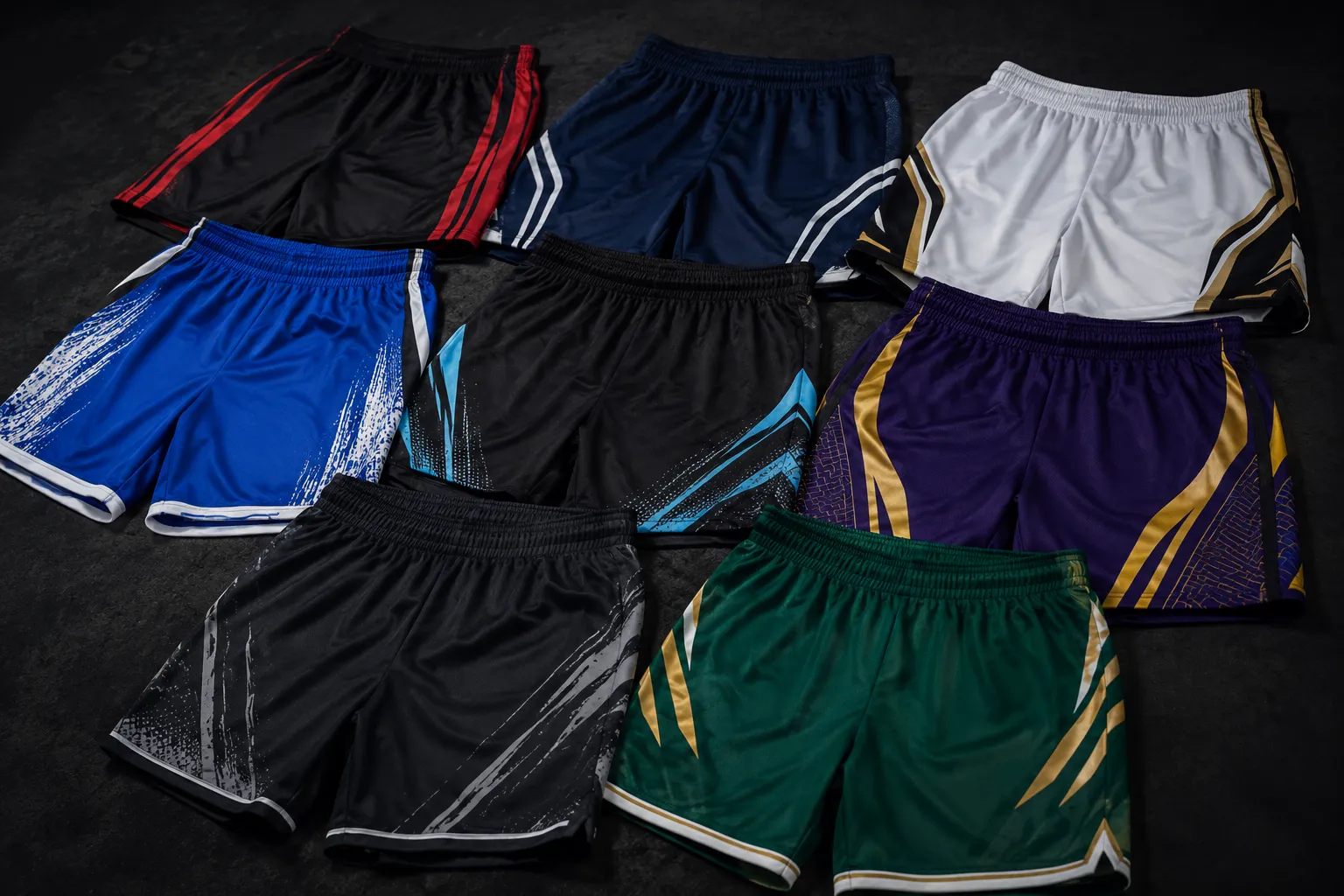
A strong team uniform does more than identify players on the field or court. It creates a shared visual identity that can influence confidence, recognition, and team presentation. Custom Team Shorts are an important part of that identity, giving sports organizations an opportunity to coordinate colors, graphics, names, numbers, and design details across an entire roster.
Whether the team competes in basketball, soccer, football, baseball, volleyball, lacrosse, or another sport, matching shorts can complete the overall uniform. When paired with custom jerseys, they create a consistent appearance that looks intentional from warmups through competition.
The best team apparel balances appearance with practical performance. A well-designed uniform should look distinctive while also supporting movement, comfort, durability, and repeated use throughout a season.
Why Custom Team Shorts Matter to a Team’s Overall Look
Jerseys often receive the most attention during uniform planning, but shorts can significantly influence how complete the final design appears.
A coordinated bottom helps connect the jersey's colors and graphics into one recognizable outfit. This is especially valuable for teams that want a professional appearance during tournaments, league games, school events, or promotional activities.
Well-designed team shorts can provide:
- A consistent visual identity
- Better coordination with team jerseys
- Opportunities for additional branding
- Player personalization
- A professional appearance
- Comfortable movement during competition
- Long-term uniform consistency
For team managers and coaches, these benefits can extend beyond aesthetics. Consistent apparel can make roster members easier to recognize while reinforcing a sense of belonging.
Custom Team Shorts Should Start With the Sport
Every sport has different movement patterns, uniform expectations, and practical requirements. A design that works perfectly for basketball may not be appropriate for soccer or baseball.
Before selecting colors and graphics, teams should consider how the shorts will be used.
Basketball
Basketball shorts generally need enough room for running, jumping, defensive movement, and quick changes of direction. Lightweight materials and an appropriate fit can help players remain comfortable throughout a game.
Longer silhouettes are common in basketball, making the side panels and lower-leg area useful locations for graphics or team colors.
Soccer
Soccer shorts need to support continuous running and rapid movement. A clean design often works well because the overall uniform needs to coordinate naturally with socks and jerseys.
Teams can use contrasting panels, trim, or subtle graphics to create distinction without making the uniform visually crowded.
Baseball and Softball
Baseball and softball uniforms often have a more traditional appearance. Color blocking, piping, logos, and coordinated team colors can help connect shorts or pants with the rest of the uniform.
Durability also becomes important because players may spend significant time moving between the field, dugout, and training areas.
Volleyball
Volleyball requires frequent jumping, lateral movement, and quick transitions. Comfortable athletic shorts can support that activity while giving teams room to develop a modern visual identity.
Lacrosse
Lacrosse combines running, sprinting, and rapid directional changes. Team shorts should complement the sport's active nature while maintaining a consistent relationship with jerseys and protective equipment.
The key lesson is simple: design should follow function. Appearance matters, but the uniform also has to work in the environment where athletes actually compete.
How to Build a Cohesive Design With Custom Jerseys
A complete uniform begins with coordination. Teams do not necessarily need identical graphics on every piece, but the visual relationship should be obvious.
For example, if a jersey uses a primary team color with contrasting side panels, the shorts can repeat that same contrast. Alternatively, a simple short design can allow a highly detailed jersey to remain the visual centerpiece.
A useful design hierarchy is:
Primary color → Secondary color → Team logo → Player details → Accent graphics
This approach prevents individual elements from competing for attention.
Match the Colors Carefully
Color consistency is one of the easiest ways to create a professional uniform.
Teams should establish a defined color palette before ordering apparel. This can include:
- Primary team color
- Secondary color
- Accent color
- Number color
- Logo colors
- Optional trim color
Using too many unrelated colors can make uniforms look inconsistent, particularly when different apparel pieces are ordered separately.
Choosing Graphics That Represent the Team
Graphics can transform basic athletic shorts into recognizable team apparel. However, more graphics do not automatically create a better design.
A team logo is often the strongest starting point. Additional elements can include mascots, initials, stripes, geometric patterns, player numbers, or sponsor marks where appropriate.
The most effective designs usually have a clear visual priority.
For instance, a youth basketball team might use a bold mascot logo with a simple stripe pattern. A corporate sports team could choose a cleaner design using a company-inspired color palette and minimal graphics.
The design should reflect the team's personality without sacrificing readability.
Personalization: Numbers, Names, and Team Details
Personalization can make team apparel feel more individual while preserving a unified appearance.
Depending on the sport and uniform requirements, teams may consider:
- Player numbers
- Player names
- Team name
- Club initials
- School identification
- League information
- Sponsor placement
- Mascot graphics
Number placement deserves particular attention. If numbers appear on both jerseys and shorts, their size and positioning should complement each other.
Too many large elements can create visual clutter. Smaller supporting details can often produce a cleaner result.
What to Look for When Selecting Team Shorts
Design is only one part of the buying decision. Teams also need apparel that can handle regular training, competition, washing, and transportation.
A practical evaluation should consider several factors.
FeatureWhy It MattersFabricInfluences comfort, breathability, and durabilityFitSupports movement without unnecessary restrictionConstructionAffects long-term performancePrinting or decorationDetermines how graphics hold up over timeWaistbandContributes to secure and comfortable wearColor qualityHelps maintain a consistent team appearanceSizing rangeSupports different body types across the rosterCare requirementsInfluences maintenance and longevity
The right balance depends on the team's sport, budget, competition level, and expected frequency of use.
Custom Team Shorts for Youth and Adult Teams
Team apparel requirements can vary significantly by age group.
Youth teams often need broader sizing flexibility because players may have substantial differences in height and body proportions. Adult teams may place greater emphasis on specialized fits, performance fabrics, or more advanced design details.
Regardless of age, consistency remains important.
A team ordering uniforms should establish a sizing process before placing the full order. Sample garments or detailed size charts can help reduce the likelihood of ordering incorrect sizes.
This becomes particularly valuable for larger rosters where replacing several incorrectly sized garments can increase both cost and administrative work.
Designing for Different Team Personalities
Uniform design does not need to follow a single aesthetic. Different teams can use the same basic principles while developing completely different visual identities.
Bold and Competitive
Bright colors, strong typography, contrasting panels, and prominent logos can create an energetic appearance.
Classic and Traditional
Simple color combinations, clean typography, and restrained graphics can create a timeless uniform.
Modern and Minimal
A limited palette with geometric details and subtle branding can produce a contemporary appearance.
Community-Focused
Local colors, recognizable symbols, school references, or regional elements can give the uniform a stronger connection to its community.
The objective is to make the design recognizable without making it unnecessarily complicated.
Common Mistakes Teams Make When Designing Apparel
Uniform projects can become expensive when design decisions are made without considering the entire roster or season.
Choosing Appearance Over Comfort
A visually impressive design is not useful if players find the apparel uncomfortable during competition.
Using Too Many Design Elements
Excessive logos, colors, patterns, and text can make uniforms difficult to read.
Ignoring the Jersey-Short Relationship
A great jersey paired with unrelated shorts can make the entire uniform feel unfinished.
Ordering Without Reviewing Sizing
A uniform order should account for the full range of player sizes rather than relying on a single standard assumption.
Forgetting Future Orders
Teams that expect to reorder uniforms should document colors, logos, numbers, and design specifications for consistency.
A Simple Framework for Designing the Complete Team Look
Teams can simplify the process by following a structured design sequence.
Step 1: Define the identity.
Determine the team's colors, personality, logo, and preferred visual style.
Step 2: Select the jersey concept.
Establish the primary design elements that will define the uniform.
Step 3: Coordinate the shorts.
Repeat key colors, patterns, or graphic elements without overcrowding the design.
Step 4: Add personalization.
Determine number placement, player names, team identifiers, and other relevant details.
Step 5: Review functionality.
Check fit, fabric, mobility, durability, and sport-specific requirements.
Step 6: Confirm the complete uniform.
Review the jersey, shorts, socks, and other apparel together before finalizing the order.
This process helps teams make design decisions based on the complete uniform rather than evaluating individual garments in isolation.
How Custom Team Shorts Support Team Branding
Sports apparel can also function as a form of visual branding. When players, coaches, and supporters wear coordinated clothing, the team's identity becomes more visible beyond game situations.
This can benefit schools, clubs, community organizations, recreational leagues, and corporate teams.
A recognizable uniform can appear in:
- Tournament photographs
- Social media content
- Team announcements
- Promotional events
- Community activities
- Training sessions
- Travel and away games
Consistent apparel therefore has value beyond the playing surface. It can help create a recognizable team presence wherever players represent the organization.
Planning a Team Apparel Order Efficiently
Large apparel orders require more organization than individual clothing purchases. Team managers should establish deadlines for design approval, sizing, personalization, and final ordering.
A useful planning checklist includes:
- Confirm roster numbers.
- Establish the size range.
- Approve the color palette.
- Finalize logos and graphics.
- Coordinate jerseys and shorts.
- Review personalization.
- Confirm quantities.
- Check artwork before production.
- Establish delivery expectations.
- Keep design records for future reorders.
Early planning gives teams more time to correct mistakes before production begins.
The Future of Personalized Sports Apparel
Team apparel continues to move toward greater personalization and more flexible design options. Digital design tools make it easier for teams to visualize uniforms before production, while modern athletic materials continue to focus on comfort, movement, and durability.
For organizations, this creates an opportunity to develop apparel that feels more distinctive without sacrificing practical performance.
The strongest team uniforms will continue to combine three priorities: identity, functionality, and consistency.
Creating a Look Players Can Stand Behind
The best sports uniforms do more than place a logo on a shirt and shorts. They communicate who the team is.
Custom Team Shorts can complete that message by connecting colors, graphics, numbers, and jersey designs into one cohesive appearance. When the apparel is selected with the sport, player comfort, durability, sizing, and long-term use in mind, the result becomes more valuable than a simple matching outfit.
For teams seeking dependable apparel solutions that combine coordinated design with practical performance, Gear Team Apparel can be a practical choice for developing a professional team look.