Custom Retractable Screens: Get a Professional Quote and Measurement Today
20 Views
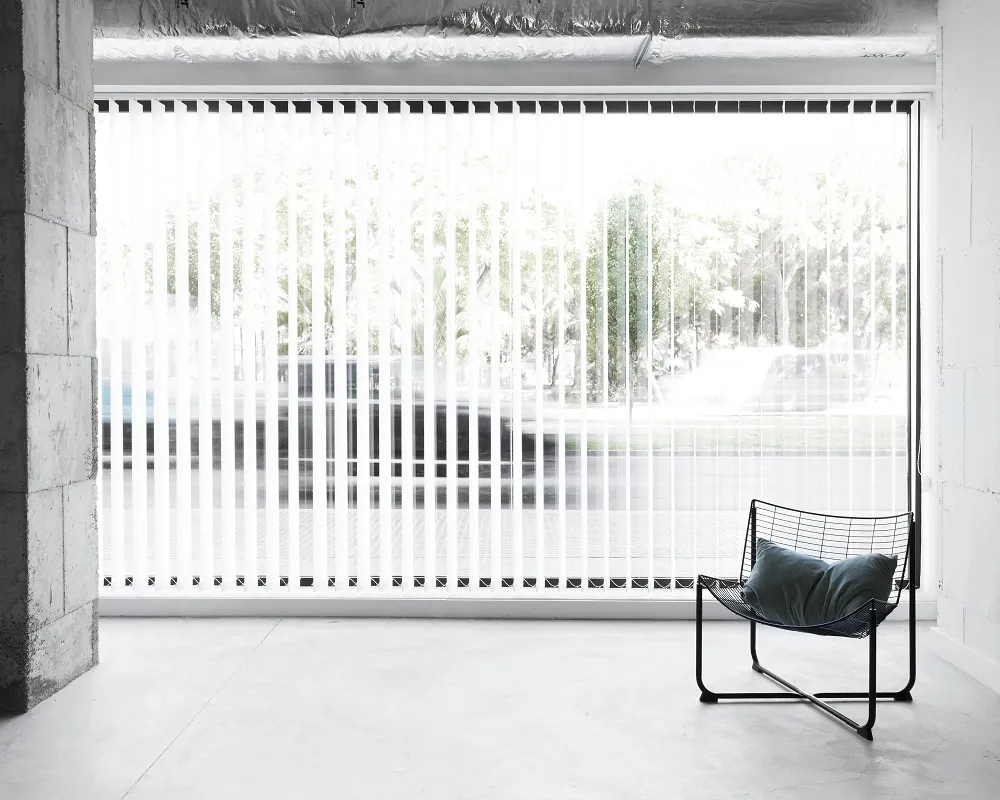
The modern architectural movement toward seamless indoor-outdoor living has transformed how residential and commercial spaces are designed. Expansive multi-panel sliding glass walls, folding patio doors, and large-format windows flood interiors with natural light and fresh air. However, opening these wide apertures introduces a classic operational challenge: how to enjoy natural ventilation without inviting flying insects, excessive solar glare, and wind-blown debris inside.
While standard fixed screens offer a barrier, they remain permanently visible, fragmenting outdoor views and breaking up clean architectural lines. This is where modern retractable screening systems excel. They provide complete insect and solar management when deployed, yet vanish completely into a discreet, low-profile housing cassette when not in use.
Yet, transitioning from a conceptual design to a flawlessly functioning retractable screen requires more than just picking a model off a shelf. Because architectural openings vary widely in structural squareness, span width, and daily usage patterns, achieving long-term performance begins with precise professional measurement and a comprehensive custom quote.
1. Why Precision Measurement is Non-Negotiable
A retractable screen is a precision mechanical system operating under continuous spring tension or motor control. Unlike a static window screen that can be trimmed or adjusted on-site with simple tools, a custom retractable screen relies on micro-tolerances.
- Addressing Structural Settling: Over time, buildings settle. Door frames and patio openings are rarely perfectly square or plumb. If a screen is ordered based on rough estimates or standard nominal sizing, tiny gaps will occur along the guide rails or the sill. These gaps completely defeat the purpose of the screen, allowing mosquitoes and gnats to infiltrate the living space.
- Tension and Tracking Balance: The mesh curtain travels within specialized side tracks featuring retention systems (such as zipper-tracks or deep-channel catches). If the vertical or horizontal tracks are installed even a fraction of an inch out of parallel, the mesh will bind, wrinkle, fray along the edges, or wear out the internal retraction mechanism prematurely.
- Accommodating Hardware Obstructions: Professional measurement accounts for existing hardware, handle clearances, sill thresholds, and surrounding masonry or wood trim. This ensures that the cassette housing mounts flush and clean without interfering with existing door locks or weather-stripping.
2. Tailoring the Solution: Customization Options
Every property has unique environmental exposures and aesthetic requirements. A professional consultation and quoting process ensures that the selected screen configuration matches your exact operational needs.
Sizing for Non-Standard Openings
While standard single doors are straightforward, modern architecture frequently features challenging spans:
- Extra-Wide Sliding and Stacking Doors: Spans exceeding 10 or 15 feet require heavy-duty dual-cassette systems or motorized large-format screens that meet in the middle or roll smoothly across a single continuous track.
- Covered Porches and Outdoor Lanais: Turning a backyard patio or gazebo into a protected, bug-free outdoor room requires vertical drop screens engineered to withstand prevailing wind loads without billowing out of their tracks.
Selecting the Right Mesh Material
Not all screen mesh serves the same purpose. A custom quote allows you to select the precise textile engineered for your environment:
- Standard Insect Mesh: Maximizes outward transparency and airflow while keeping common pests out.
- Solar Mesh: Features a tighter weave designed to absorb and reflect harmful ultraviolet (UV) rays and solar heat gain, helping to keep indoor rooms or covered patios cooler during intense summer months.
- Pet-Resistant Mesh: Constructed from heavy-duty, vinyl-coated polyester engineered to resist tears, punctures, and claw damage from cats or dogs.
- Privacy Mesh: Offers a denser weave and darker tint to restrict daytime visibility from the outside looking in.
3. Manual vs. Motorized Systems: Evaluating the Scope
During the quoting process, assessing the scale of the opening and your preferred user experience dictates whether a manual or motorized system is the ideal fit.
- Spring-Tensioned Manual Systems: Operated by hand using a subtle pull bar and a magnetic or latching lock, manual screens are ideal for standard entry doors, French doors, and smaller windows. They are cost-effective, highly reliable, and require no electrical wiring.
- Motorized Systems: For massive multi-door spans, second-story balconies, or large garage openings, pulling a screen manually is impractical. Motorized systems integrate quiet tubular motors controlled via wall switches, hand-held remotes, or smart home automation applications. Many advanced motorized units also include wind and sun sensors that automatically deploy or retract the screen based on real-time weather conditions.
4. What to Expect During a Professional Consultation
Engaging a professional service for an on-site assessment and quote removes the guesswork from upgrading your property. A structured consultation typically involves:
- Needs Analysis: Discussing how you use the space, whether pets or children are present, and your primary goals (insect protection, solar shading, or privacy).
- Structural Evaluation: Inspecting the frame material (wood, vinyl, aluminum, or concrete) to determine the safest, most secure anchoring methods and housing placement.
- Product Demonstration and Selection: Reviewing frame color swatches to match your existing window or door trim, and selecting the appropriate mesh density.
- Transparent Quotation: Providing a detailed, itemized estimate outlining material specifications, custom fabrication timelines, and professional installation costs.
5. The Value of Expert Installation
Purchasing a high-grade custom screen is only half the equation; proper installation ensures that your investment delivers seamless performance for years to come. Professional installers calibrate the spring tension precisely, verify that motor limit switches stop at exact endpoints, and ensure that guide tracks are sealed properly against moisture and drafts. This meticulous approach prevents premature mechanical failure and ensures effortless, silent operation every time you glide or roll the screen into place.
Conclusion
Transforming an indoor-outdoor living space with custom retractable screening requires a commitment to quality engineering, precise geometry, and expert execution. By investing in a professional measurement and quotation process, you ensure a flawless fit that preserves your architectural aesthetics while maximizing everyday comfort. For expert guidance, custom fabrication, and professional installation tailored to your specific architectural layout, property owners trust industry specialists
Related Reading
Expert Insights: Navigating the Complex World of Home Improvement
Welcome to our in-depth exploration of Home Improvement. In an era defined by ra...
Why Home Improvement is Transforming the Global Industry Landscape
Welcome to our in-depth exploration of Home Improvement. In an era defined by ra...