Custom Jenga Games: Design Options, Materials, and Gameplay
By John David
17 Views
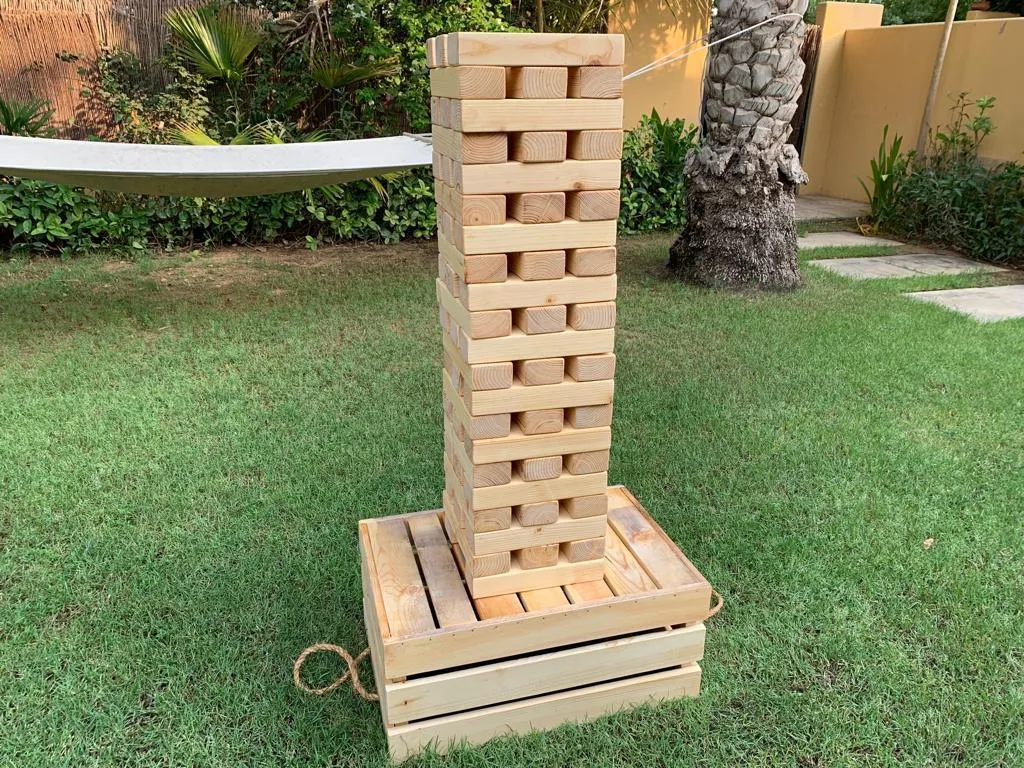
Block-stacking games combine simple rules with challenges that require patience, coordination, and careful decision-making. They can be played at home, during social gatherings, at schools, or as part of workplace activities. Custom Jenga Games introduce personalization to the traditional block-stacking format through variations in block design, colors, printed messages, and packaging. Understanding the available customization options, materials, and gameplay formats can help individuals and organizations select a design that suits their intended use.
What Are Custom Jenga Games?
Custom Jenga games are personalized versions of traditional wooden block-stacking games. The basic gameplay remains familiar: players take turns removing blocks from a tower and placing them on top without causing the structure to collapse.
Customization can change the appearance or add new rules to the game. Depending on the design, blocks may feature printed words, numbers, illustrations, brand graphics, or activity prompts. These variations allow the game to be adapted for different audiences and occasions.
Popular Customization Options
Personalized Block Printing
Individual blocks can feature text, symbols, numbers, or simple illustrations. For example, a set designed for a family gathering might include conversation prompts, while an educational version could feature questions related to a particular subject.
Colors and Visual Themes
Some designs use different colors to distinguish categories, identify special blocks, or create a consistent visual theme. Color selection can also help make a set recognizable without changing the fundamental rules.
Logos and Brand Graphics
Businesses may incorporate logos or other visual elements into a game intended for employee activities, conferences, or promotional events. The placement and printing method depend on the dimensions and surface characteristics of the blocks.
Packaging and Presentation
Packaging can be customized with printed sleeves, boxes, labels, or instructions. The packaging should provide enough protection for the blocks during storage and transportation.
Materials Used in Personalized Block Games
Wood is commonly used for traditional block-stacking games because it provides a solid structure and a familiar tactile feel. Different wood species and manufacturing methods can produce variations in color, grain, weight, and surface texture.
The dimensions and finish of each block influence how it fits into the tower. Smooth, evenly sized blocks are important for consistent gameplay, while uneven surfaces or substantial differences in dimensions can affect how easily blocks slide out of the structure.
Printing and decorative finishes should also be compatible with the material. A suitable finishing process can help maintain the appearance of the design during regular handling.
How Custom Jenga Games Are Played
The standard game begins with a tower made from stacked rows of blocks, with each row positioned at a right angle to the row below it. Players take turns removing one block from the tower and placing it on the uppermost level.
The challenge becomes more difficult as the tower grows taller and its lower levels lose structural support. Players must assess the available blocks, consider how removing one might affect the structure, and make controlled movements.
Personalized versions can introduce additional rules. A colored block might correspond to a question, a printed number could determine a task, or a marked block might trigger a special turn. These variations depend on the rules established for the particular set.
Uses in Social and Educational Settings
Block-stacking games can be adapted for different environments.
Family and Social Gatherings
Personalized prompts can encourage conversation and give participants a shared activity. The content can be adjusted to suit the age group and occasion.
Schools and Learning Activities
Educational sets may include vocabulary words, mathematics questions, historical facts, or other learning prompts. Teachers can use the blocks to organize turn-based classroom activities.
Workplace Team Activities
Customized blocks can include discussion topics, problem-solving prompts, or activities for group sessions. The game can provide a structured way for participants to interact in a relaxed setting.
Events and Celebrations
Names, dates, short messages, and event-specific graphics can make a block-stacking set relevant to birthdays, reunions, and other gatherings.
JengaCustom and Personalized Game Designs
JengaCustom is associated with personalized block-stacking game concepts. When evaluating a customized set, useful details include block dimensions, material, printing options, finish, packaging, and the number of pieces included.
The intended audience should also guide the design. For instance, a set for younger players may benefit from simple graphics and clear instructions, while a workplace or event version may use themed text or visual elements.
Factors to Consider Before Selecting a Custom Set
Several practical details can help determine whether a customized game meets its intended purpose.
First, consider the size of the blocks and the overall tower dimensions. These affect storage, portability, and the amount of space needed during play. Second, review the material and finish to understand how the pieces may perform during repeated handling.
Printing should remain readable without making the block surfaces uneven. If the game includes additional prompts or special rules, instructions should explain how these features work. Packaging should keep the pieces together and make the set convenient to store between uses.
Age suitability is another consideration. Small game pieces may not be appropriate for very young children, and the manufacturer's safety guidance should be reviewed before use.
Conclusion
Custom Jenga Games combine traditional block-stacking gameplay with personalized designs, printed messages, colors, and themed rules. Their flexibility makes them suitable for a range of social, educational, workplace, and event-based activities.
When planning a customized set, material quality, block dimensions, printing, surface finish, packaging, and age suitability are important considerations. A design that balances personalization with consistent block dimensions and straightforward gameplay can provide an engaging experience while preserving the central challenge of the traditional tower game.